


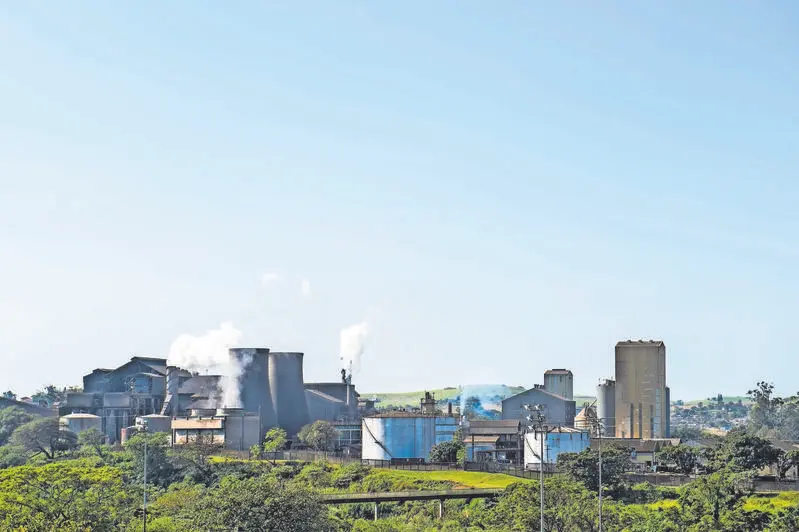
The deal between the Robert Gumede-led Vision Group and the Industrial Development Corporation (IDC) to halt the liquidation of beleaguered sugar giant Tongaat Hulett Limited (THL) has saved the SADC region’s sugar industry from a catastrophe.
Facing threats from cheap, imported products, the industry can heave a collective sign of relief after the June 17 agreement gave the 134-year-old THL a lifeline and paves way for the government to protect the sector from external pressures.
After the agreement and the eleventh-hour stopping of the liquidation proceedings in the Durban High Court this week, THL can get back to the business of making sugar, with about 250 000 jobs in the region saved and the company transitioning into a sustainable, post-rescue era.
The deal is also sweet news for the region’s agricultural economy, the backbone of economic growth and food security. The collapse of THL would have dismantled a fragile supply chain, resulting in a jobs bloodbath across South Africa, Zimbabwe, Mozambique and Botswana, Further, the 17 500 small-scale independent cane growers in KwaZulu-Natal would have had to close shop.
What the deal means for the IDC is that the state funder will convert its R2.5 billion distress loan into equity, becoming a major shareholder in Vision’s entities in South Africa, Mozambique, Botswana and THL’s most profitable market, Zimbabwe, where it rakes in R1 billion annually. Importantly, the extension of the IDC’s post-commencement finance until the end of September 2026 ensures mills will operate during the peak harvesting period.
For Vision, led by two black men who have refused to give up despite many challenges, there is commitment for a capital injection that will help settle historical creditor liabilities which include the critical statutory obligations owed to the South African Sugar Association.
Vision has also committed to the upgrading of Tongaat’s underlying milling infrastructure, charting the way for future macro-sustainability, such as diversifying into alternative green revenue streams like biofuels.
The public-private risk-sharing model falls within the IDC’s mandate to build and grow industry and is what Tongaat needed to shake off the crippling interest-bearing debt and move towards sustainable, long-term capital deployment.
But there is a long way to go before THL can get back to where it used to be. Regulatory challenges remain a threat, as do competing legal bids from rival bidders such as RGS of Mozambique. But the deal signed this week offers the most realistic mechanism to fully implement the approved business rescue plan.
For the sugar industry, the workers and the region where THL operates, the Vision-IDC agreement is an indispensable victory that turns liquidation despair into a concrete pathway for economic recovery.