


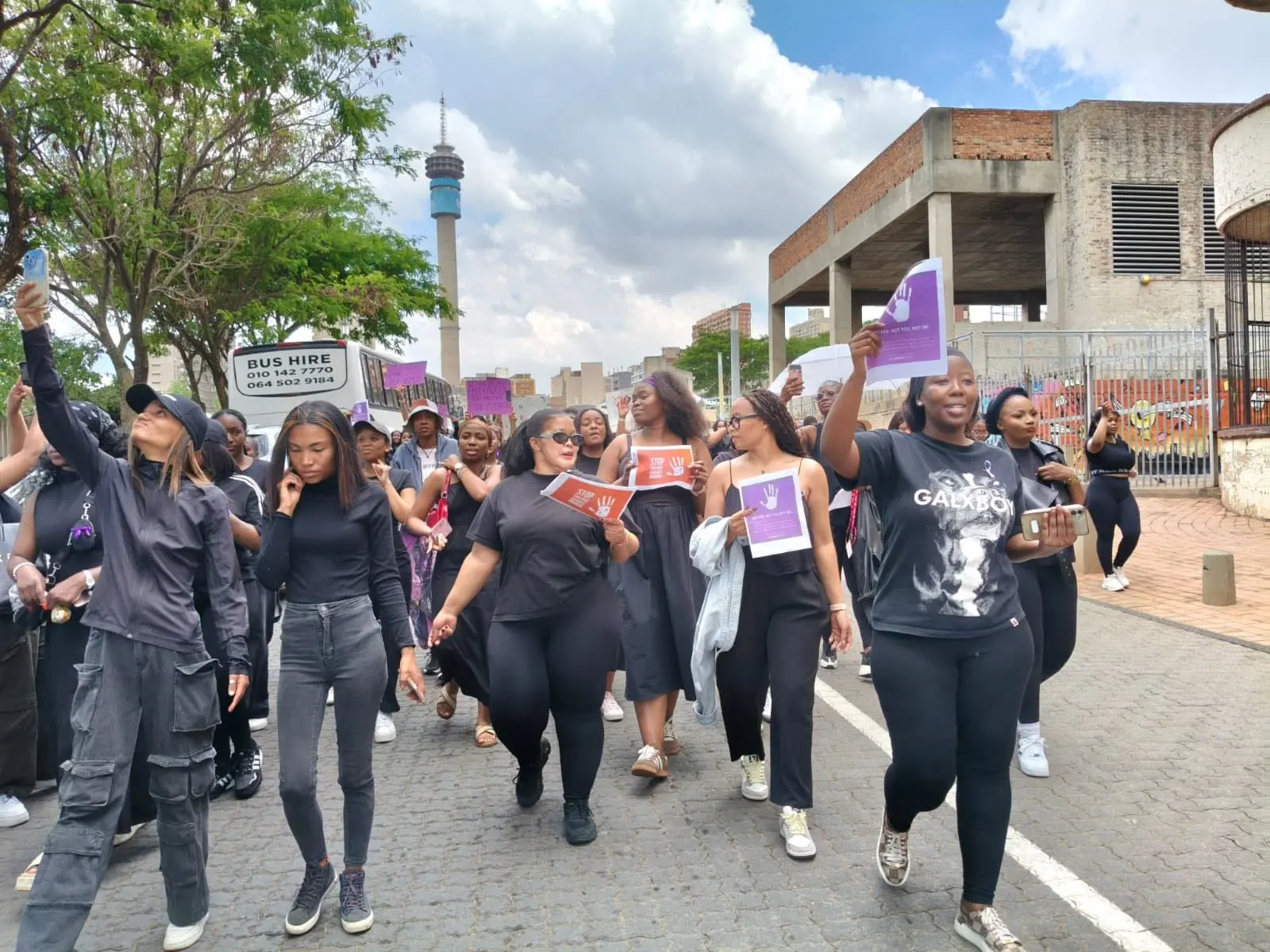
Elizabeth Tsontso Moselakgomo, the 38 year-old woman who was found dead, badly beaten and half naked, clothed the bodies of women whose lives ended violently and whose bodies were discovered in the Kempton Park area over the past two months.
How we wish we could give them names instead of leaving them as statistics. They belonged to someone. They were mothers, daughters, sisters, friends, colleagues and neighbours. They had lives that extended beyond the circumstances in which we found them.
We could not let this edition go by without screaming their existence across these pages.
Like Tsontso, they just wanted to march their feet on the ground. They wanted community, they wanted to fend for their families, to live their lives without having to calculate their point A to point B.
We long for the day when we will leave our homes and not wonder if we will come back and see our loved ones again. It is hard to practice ordinary freedoms without the possibility of violence at every turn.
Yet, for women in South Africa, the list of precautions continues to grow.
Perhaps this is the message we are expected to accept: South African women, do not exist.
Do not go to work. Do not go to school. Do not go to the gym. Do not jog. Do not travel alone. Do not walk at night. Do not fend for your families. Do not wear skirts. Do not wear pants. Do not wear tight shirts. Do not wear your hair up. Do not wear your hair down. Do not drink. Do not go to parties. Do not trust people you know. Do not go to the police station alone. Walk in groups. Share your location. Call when you arrive. Call when you leave.
Have we covered all precautions? Perhaps we should also stop breathing? The absurdity is what lies at the heart of the response to gender-based violence, that prevention is placed at the hands of those who are most vulnerable. Women are told to check themselves and their choices in hopes that violence will somehow pass us by.
The women whose bodies were found in Kempton Park deserved more than to be a "oh by the way" because Tsontso's friends and family refused to be quiet. They deserved someone sounding the alarm as soon as they were found.
We remember them all.
Uyinene Mrwetyana, 19, who was raped and murdered by a post office employee. Olerato Mongale, who went on a date and never returned home. Ntokozo Mayenzi Xaba, who was stabbed to death by her boyfriend in her student residence. Nhlalwenhle Magwaze, seven, who went to a tuck shop and never came back home. There are too many to mention. Way too many painful stories to recount. Women and children who were in spaces they believed were safe.
This edition is an attempt to say: we see you. And we will not reduce you to a number.