


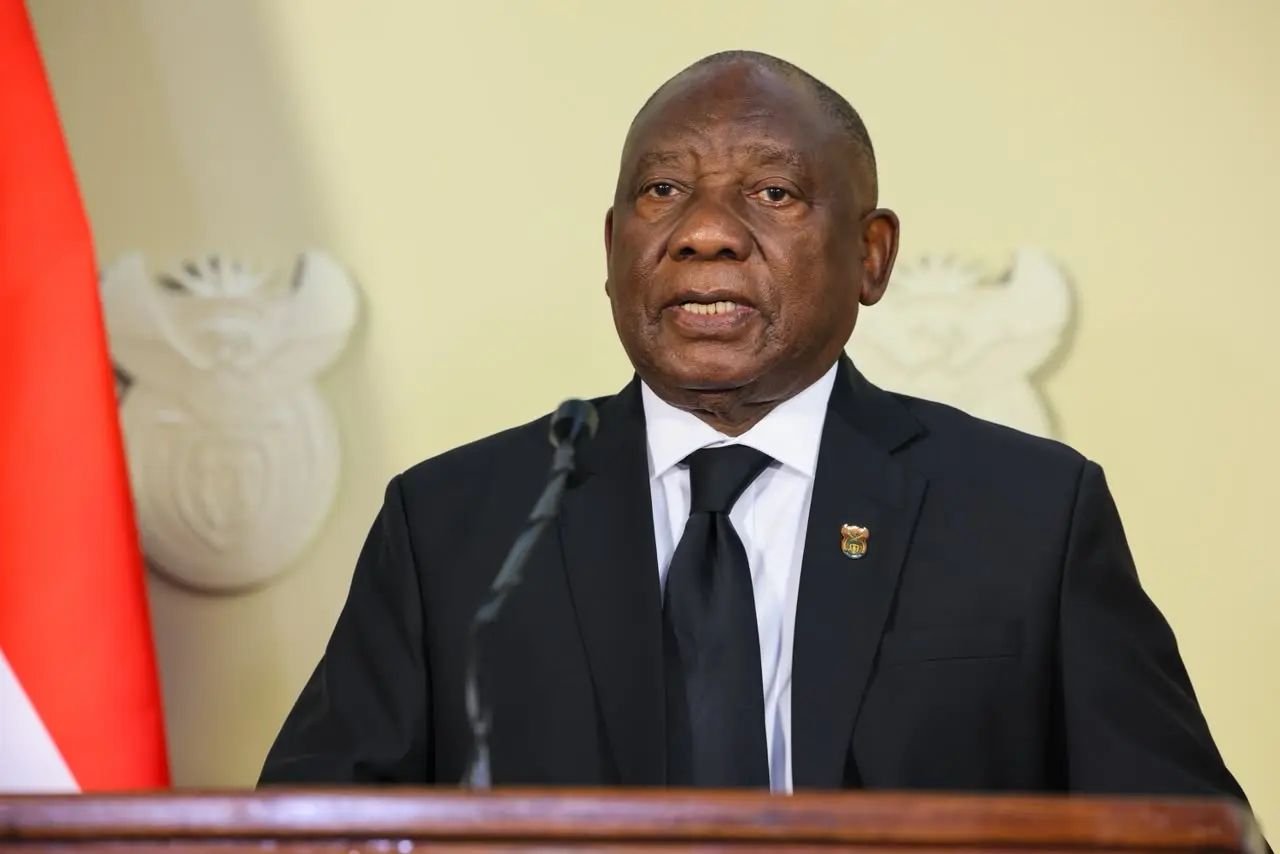
President Cyril Ramaphosa did something important in his address to the nation on gender-based violence and femicide. He acknowledged failure.
Seven years after he addressed South Africans about the crisis, he conceded that the government’s response had not been enough to prevent women being killed, to make them safe or to change the attitudes that enable violence.
That admission matters. But acknowledgement is not enough.
The discovery of 11 women’s bodies in Ekurhuleni since July has again exposed the terrifying reality confronting women in South Africa.
It has also exposed the disconnect between government commitments on GBV and the experience of women who encounter a criminal justice system that often fails them.
Ramaphosa has now put measurable deadlines against the government’s response.
Within 60 days, unresolved murders, rapes and serious sexual offences involving women and children must be audited.
Within 90 days, stalled priority cases must have recovery plans. A funded plan to tackle forensic backlogs is due within 60 days.
Municipalities must identify unsafe public spaces and begin fixing them. Progress must be reported publicly every quarter.
These are measurable commitments. That is precisely why the government must now be held to them.
South Africa does not suffer from a shortage of GBV strategies,
structures or presidential declarations. It suffers from the failure to translate them consistently into protection, investigation, prosecution and justice.
A survivor who is turned away from a police station gains nothing from another strategy.
A family waiting for forensic results gains nothing from another task team.
A protection order that is not enforced cannot protect the woman holding it.
The test of Tuesday’s address will therefore not be its language, however forceful, nor the number of directives issued. It will be what happens when the first 60-day deadline arrives.
How many stalled cases have been identified? How many forensic samples have been processed? How many suspects who were known to police have been arrested? Which dangerous public spaces have been fixed? And where officials have failed to act, what consequences have followed?
The president said the directives were not merely “a statement of good intentions”.
South Africans have every reason to insist that he proves it.
Seven years ago, Ramaphosa addressed the nation about violence against women.
On Tuesday, he said no president should have to make the same speech seven years from now.
Whether that happens depends less on another speech than on what his government does next.