


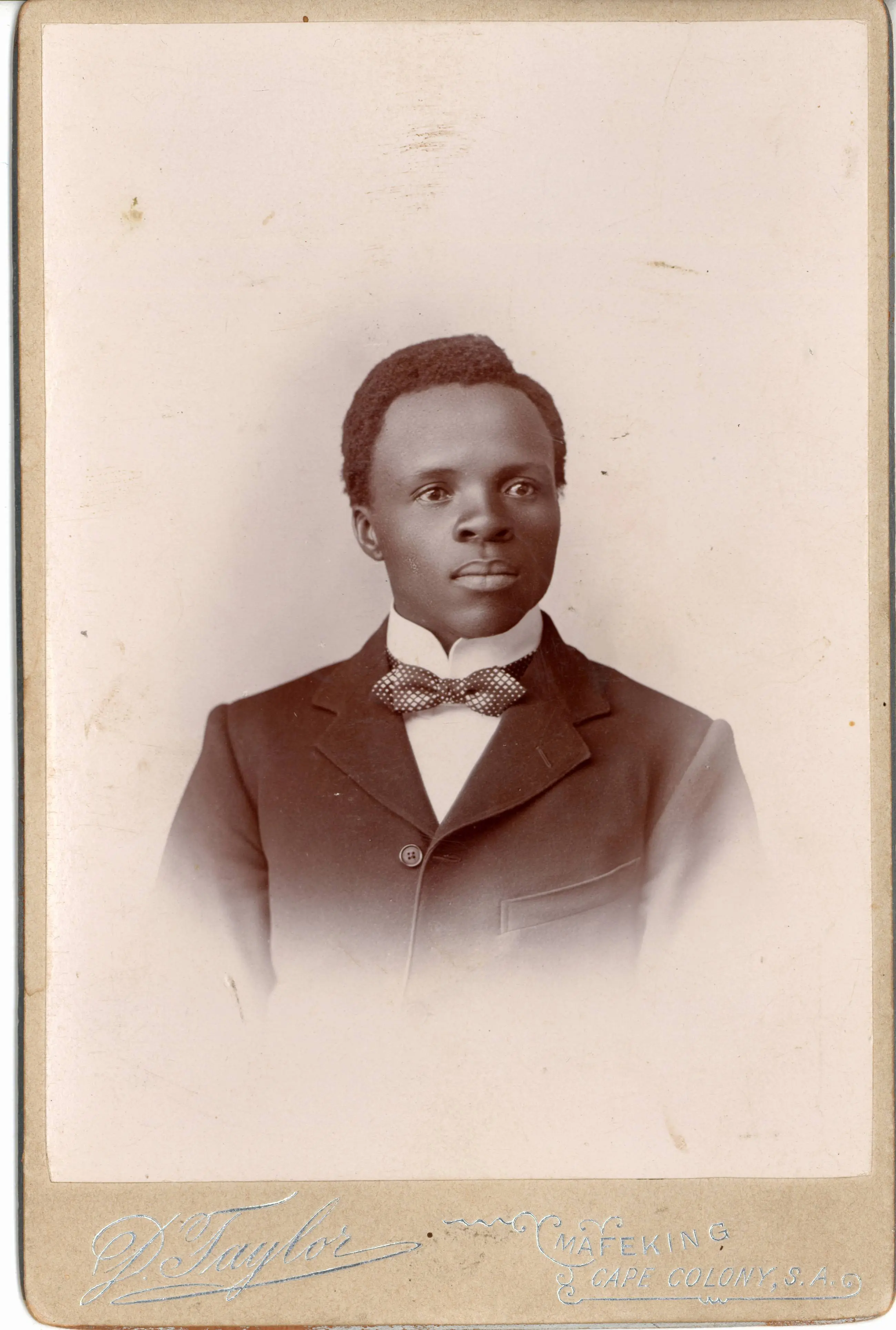
TODAY, one of South Africa’s black icons, Sol Plaatje, would have turned 150 years old. We pay tribute to him and preserve his legacy on the pages of this edition. Although he was born a century and a half ago, his enduring works describe the world we are navigating.
They pertain to who gets to be a citizen, who controls the narrative, who is held accountable and by what measure and what communities build for themselves when institutions fail them.
Consider the impressive range of works he achieved for someone with only a standard three education.
In the diary he kept between 1899 and 1900 during the Mafeking siege, he recorded his people into history when the colonial officials overlooked their suffering in what they called “a whiteman’s war”. The newspapers he wrote and edited between 1901 and 1915 laid bare the betrayal of the promise by the British imperial crown to return the loyalty displayed by the Africans with protection from the brutality of the Boers’ segregationist policies.
As the founding general-secretary of the ANC in 1912, he was a political organiser and a conduit of information between the structures of the organisation and the leadership, using his newspaper Tsala ea Batho. It is out of this journalism that the monumental book, Native Life in South Africa emerged in 1916 after the failed deputation to appeal to the crown to repeal the 1913 Land Act that dispossessed Africans of their land. While in England, in 1916 Plaatje, along with Daniel Jones of University College London, published Sechuana Proverbs with Literal Translations and their European Equivalents and a Setswana phonetic reader.
He returned to England in 1919 as a part of the Congress delegation sailing on to North America using a Canadian passport after South African authorities denied him one. He toured Canada and the US, speaking about the plight of Africans.
Back in England in 1922, Plaatje performed in the theatrical production Cradle of the World as Chief Dumakude and recorded Nkosi Sikelel’iAfrika for Zonophone Records. He translated Shakespeare into Setswana and published the iconic Mhudi, the first full length novel in English by a black South African. He continued in journalism, with his works published in the Diamond Fields Advertiser and Pretoria News, among others, returning to editorship in the 1930s with Our Heritage, a Templars’ magazine. Plaatje also founded the Brotherhood movement in South Africa. He died in Johannesburg in 1932, aged 55.
Plaatje remains relevant because the questions he was asking then are the questions we are asking now. Through his example and what he recorded we begin to seek solutions to our modern-day challenges because he walked this road before.