


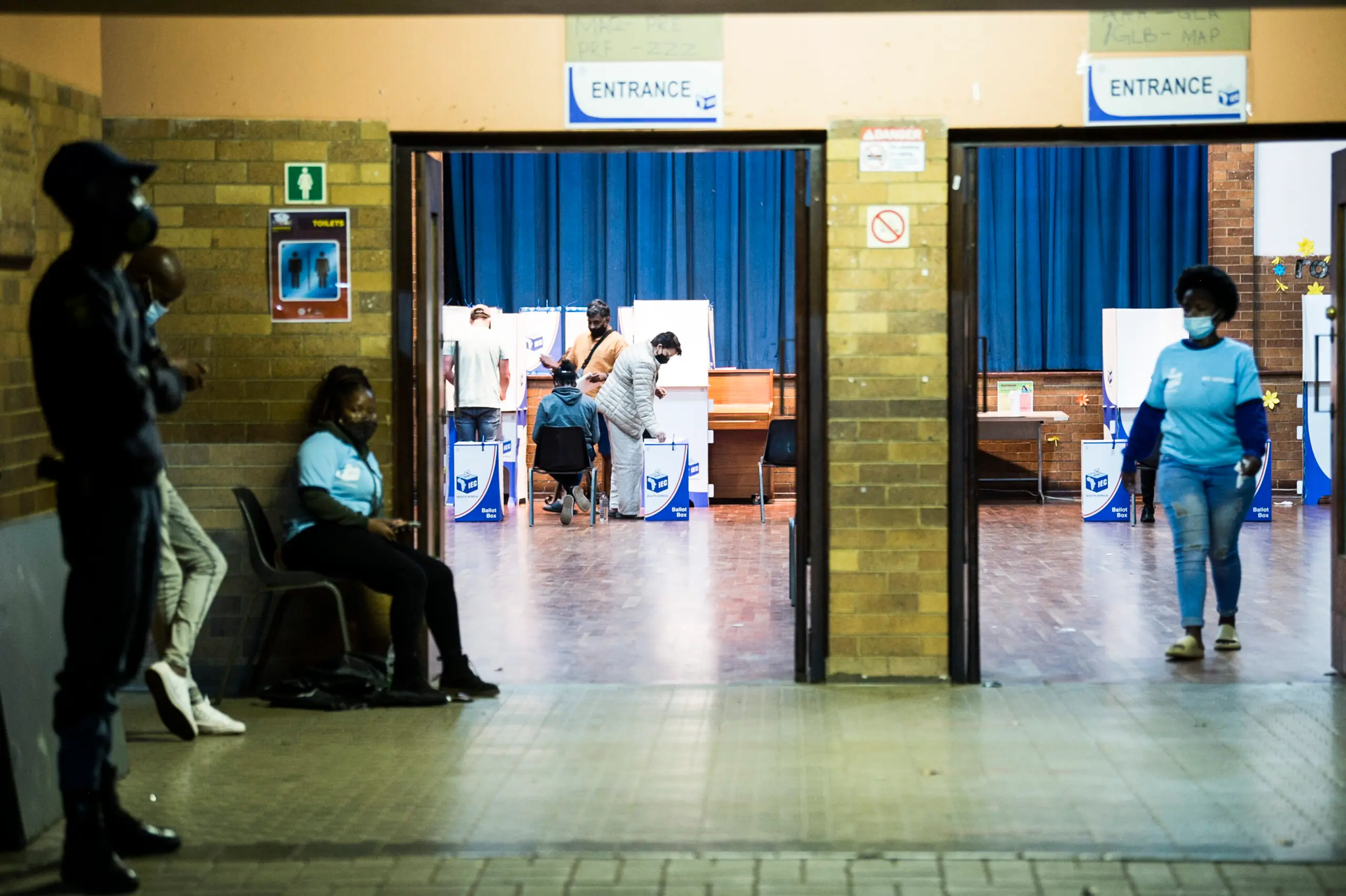
The 4 November 2026 local government elections delivered an unmistakable verdict. With 138 of the country’s 213 municipal councils resulting in hung legislatures — and seven of the eight major metropolitan municipalities failing to produce an outright winner — coalition governance is no longer an exception but the defining reality of local politics.
As political parties race to finalise agreements before the statutory deadline for inaugural council sittings next week, one principle must override all back room negotiations: coalitions exist to serve voters, not to throw a lifeline to rejected politicians or give access to state resources.
Coalition talks must not resemble boardroom mergers designed to divide spoils rather than solve community crises. When parties with negligible electoral support demand executive mayoralties or key mayoral committee portfolios as the price for their votes, they subvert the democratic will. Voters do not cast their ballots to rehabilitate the careers of discredited leaders or create a revolving door of instability where mayors are ousted every few months over patronage disputes.
Using coalition arithmetic to keep rejected politicians in power breeds cynicism, erodes public trust and deepens the dangerous distance between citizens and the councils meant to represent them.
Across the country, residents are confronting crumbling infrastructure, dry taps, uncollected refuse and persistent power outages. In this environment, coalition agreements cannot be secret pacts focused on who gets which office, official vehicle or procurement lever. Instead, negotiations must produce transparent, publicly binding commitments anchored in measurable service delivery targets and strict timelines.
Whether a municipality is governed by a formal coalition or a minority arrangement, the focus must be on restoring financial stability, professionalising municipal administrations and fixing basic services.
Political parties must honour the newly issued guidelines for stable coalitions by placing ethical governance and community needs above narrow factional interests.
Citizens are watching these negotiations closely and their patience has expired. Political leaders who treat hung councils as a vehicle for self-enrichment and political survival are making a grave miscalculation. Democracy does not end when coalition deals are signed; it continues through relentless public scrutiny and the ultimate accountability mechanism of the ballot box.
When South Africans return to the polls for the 2029 general election, they must remember which parties betrayed their mandate for quick access to municipal coffers and which ones governed with integrity. Voters must use their power in 2029 to punish self-serving politicians and parties that put personal ambition before the people they were elected to serve.