


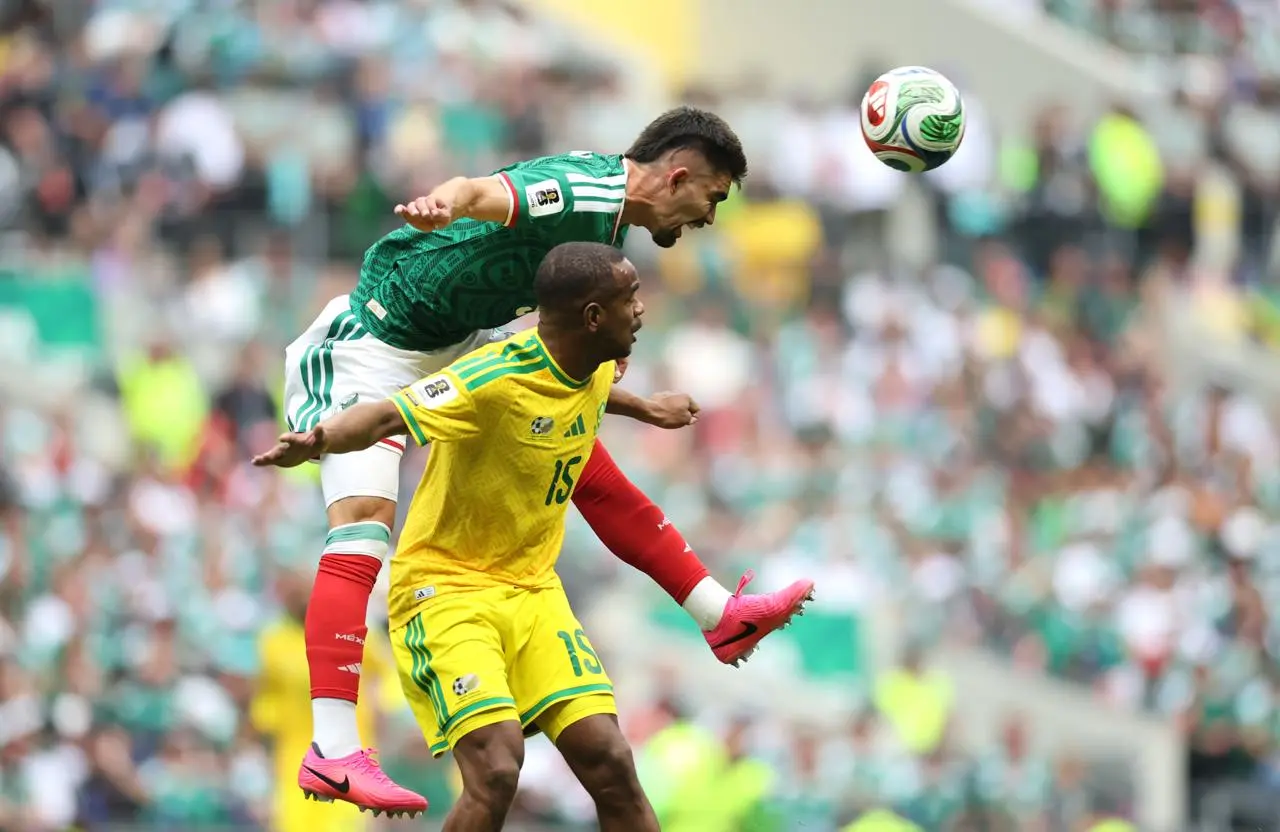
South African football finds itself at a familiar, frustrating crossroads. As Bafana Bafana prepare to launch their 2027 Africa Cup of Nations qualifying campaign against Guinea and Eritrea next month, the governing body tasked with steering the national game is once again bogged down by administrative inertia, racial wage disparities and questions about financial accountability.
A fiery parliamentary committee hearing on Tuesday laid bare the rift between Sports, Arts and Culture Minister Gayton McKenzie and the South African Football Association (SAFA). The confrontation, marked by evasive answers, virtual silences and the absence of Safa president Danny Jordaan, focused on two critical fronts: the failed implementation of Video Assistant Referee (VAR) technology and the protracted contract negotiations with incoming national team coach Pitso Mosimane.
At the heart of the parliamentary grilling was a R30-million departmental allocation intended to fast-track VAR implementation in domestic football. With the deadline passed and no technology operational for the new Premier Soccer League (PSL) season, McKenzie has formally demanded the full return of the funds.
“I have been dragged in the media and it seems like SAFA does not care," McKenzie told the Sport, Arts and Culture Portfolio Committee. "We wrote a letter to SAFA, which was ignored... How do you ignore me after receiving my money? I then wrote a subsequent letter where I said to them they must return the R30-million with immediate effect."
SAFA chief executive Lydia Monyepao and her delegation struggled to provide clear timelines or feasibility studies for the rollout, prompting sharp rebukes from lawmakers. Democratic Alliance MP Leah Potgieter questioned the initial disbursement of public funds without a concrete FIFA-compliant readiness plan, while committee members pushed back against SAFA’s request for a 21-day grace period to respond.
While the missing VAR infrastructure drew legislative fire, the negotiations surrounding Hugo Broos’s successor have sparked a broader ideological debate. Though SAFA’s National Executive Committee approved Mosimane’s appointment on August 8, official confirmation remains stalled over remuneration terms. Reports indicating that SAFA offered the three-time CAF Champions League winner significantly lower terms than his Belgian predecessor triggered a sharp reaction from the sports minister.
Speaking at the 2026 South African Sport Awards in Sun City over the weekend, McKenzie raised the historical context of wage disparities in South Africa, insisting that a coach of Mosimane's continental pedigree must not be undervalued.
“Pitso Mosimane is not a coach of the ABC Motsepe League. Let us be straight about that issue,” McKenzie said. “We come from a country where black people were paid less than white people. Those scars haven’t healed for many people. But we, as black people, cannot do the same thing that has been done to us, where we pay the white man more.”
Mosimane’s resume, highlighted by three CAF Champions League crowns across spells with Mamelodi Sundowns and Al Ahly, ranks among the most decorated on the continent. McKenzie argued that negotiations should start, at minimum, at parity with Broos’s previous contract.
“The least they could do is start him with the same salary they started with Hugo Broos,” McKenzie added. “It’s like we are scared of white people, where we pay them more but when it comes to black people, it’s a different story.”
The debate reached a climax in Parliament when Monyepao was ejected from the sitting by committee chairperson Joseph McGluwa after refusing to disclose the exact figures behind Broos’s package, citing confidentiality clauses.
The financial and contract disputes compound a turbulent period for national team logistics. During the committee proceedings, SAFA leadership acknowledged recurring administrative breakdowns, including travel visa delays and operational oversights previously managed under former team manager Vincent Tseka—whose error regarding Teboho Mokoena’s suspension status had earlier endangered Bafana's World Cup qualification campaign.
With September’s AFCON qualifiers in Group D fast approaching, the national team requires tactical stability and clear administrative backing. Whether SAFA can resolve its stand-off with Mosimane’s camp and account for its public funding commitments will determine whether Bafana Bafana enter their new era on solid ground or amid familiar institutional turmoil.