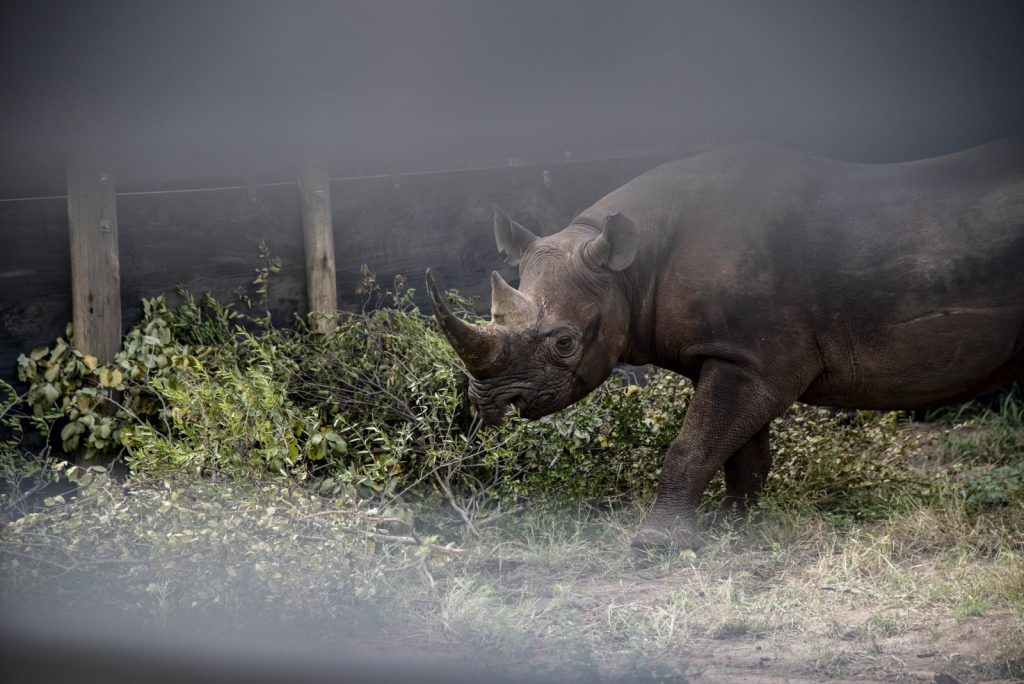
More than 40 years after they were wiped out, more than 40 rhinos are being reintroduced to the Zinave National Park in Mozambique in what has been hailed as a “historic return” of the species.
More than 40 years after they were wiped out, more than 40 rhinos are being reintroduced to the Zinave National Park in Mozambique in what has been hailed as a “historic return” of the species.
Over decades, the country’s protracted civil war, hunting and poor management decimated Zinave’s rhino population, which became locally extinct.
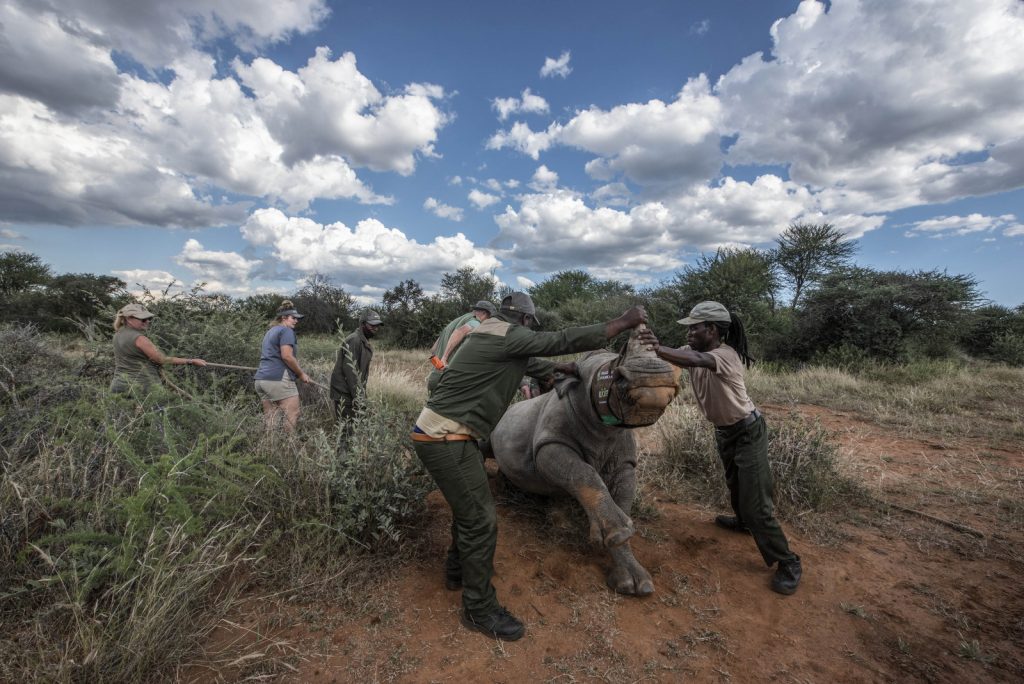
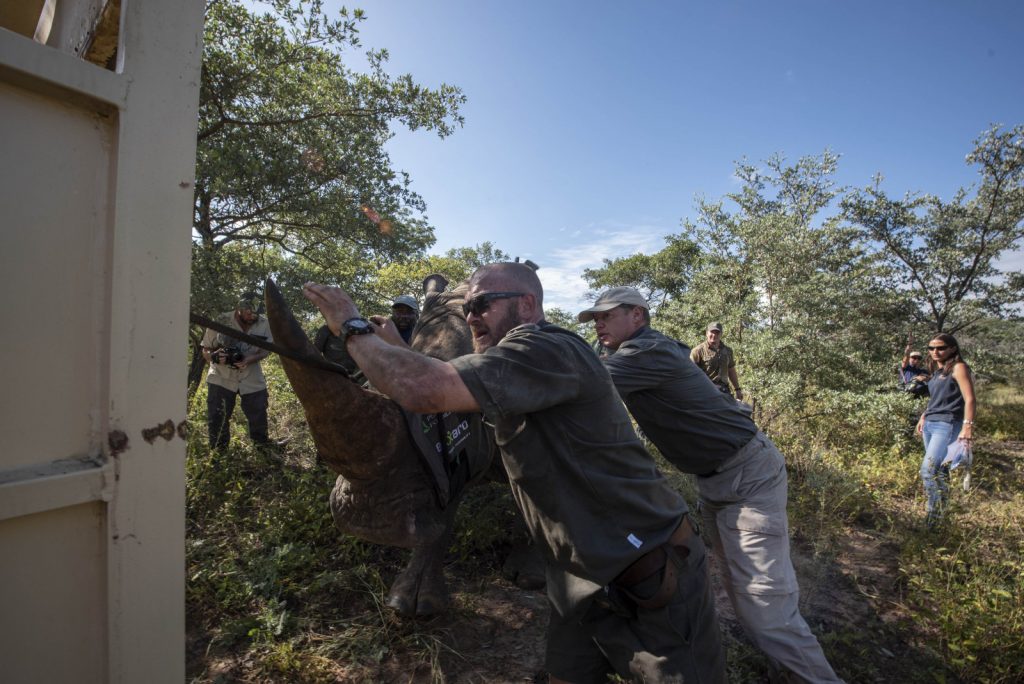
Last week, the governments of Mozambique and South Africa announced the translocation project to reintroduce critically endangered black rhinos and near-threatened white rhinos into Zinave over the next one to two years. The conservation nonprofit Peace Parks Foundation and mining company Exxaro Resources are leading the project.
Zinave is co-managed by Mozambique’s National Administration for Conservation Areas and the foundation. The 4 080 km2 park is a protected space “where restoration has triumphed over destruction”, the foundation said.
Silent park
Since 2016, in an extensive rewilding and restoration programme, together with Mozambique’s government, the foundation has reintroduced more than 2 300 animals, including buffalo, elephants and leopards, into the once-silent wilderness. In September, the first lions were recorded in Zinave after a 40-year absence.
Zinave holds shared interest for both countries because it is an anchor park for migration corridors in the 100 000km² Great Limpopo Transfrontier Conservation Area. This cross-border protected landscape is managed as an integrated unit across three international borders through a 2002 treaty signed by Mozambique, South Africa and Zimbabwe.
“Over the past two decades, we have worked towards the vision of restoring iconic African landscapes in this vast area, by bringing countries together to reinstate wildlife populations and strategically develop protected areas where wildlife and people can co-exist in harmony,” Werner Myburgh, the chief executive of the foundation, said in a statement.
“Stepping into the park in 2015, few would have imagined that the decimated wilderness would become a thriving protected area roamed by the big five and thousands of other animals in such a short time span.”
High security sanctuary
Since 2008, rhino populations have plunged in all nine remaining rhino range states on the continent — more than 8 000 of the animals have been slaughtered for their horns in South Africa alone.
“Relocating rhinos to safe havens, such as Zinave National Park, where they have a chance to act as new founder populations is an important strategy for saving the species,” the foundation said.
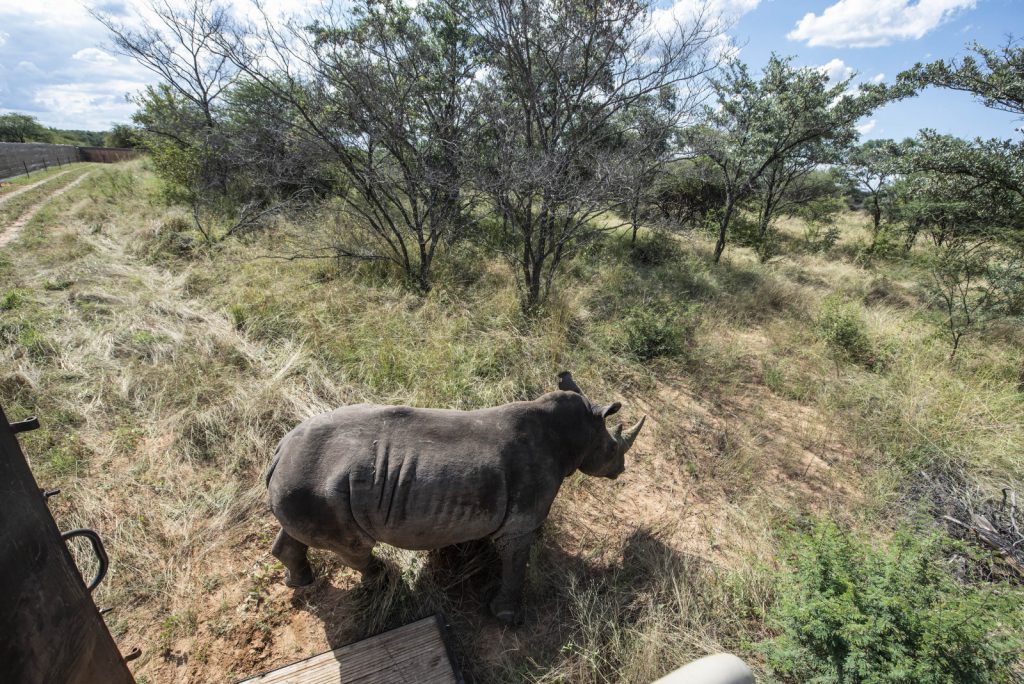
The rhino reintroduction will be in a specially constructed, 186 km2, high security sanctuary in Zinave. Exxaro Resources is donating the rhinos.
Security infrastructure and counter-poaching capacities in Zinave’s sanctuary have been strengthened to “such an extent that keystone, high-value conservation species are well protected”.
Under the co-management agreement, over the past five years a joint park management team has been established; park management infrastructure has been upgraded; additional rangers have been trained and community development programmes have been implemented.
Thirty-two additional rangers will undergo specialist training on rhino protection, bringing the number of rangers in the sanctuary and surrounding areas to 72.
“A further 20 sanctuary guards will also be deployed for first-line detection of incursions. A helicopter and fixed-wing aircraft — integrated into a rapid response unit — have been secured to boost surveillance and counter-poaching reaction capabilities, while all operations will be coordinated through a dedicated rhino control centre with advanced technology that connects central command seamlessly with those in the field,” according to the statement.
Forestry, Fisheries and Environment Minister Barbara Creecy said that in addition to enhanced counter-poaching strategies, one of the best options to stabilise rhino populations is to establish more viable breeding populations in alternative sites “where they are safe, with the aim of increasing the overall growth rate of rhinos to exceed the rate of poaching”.
“After many years of dedicated cross-border collaboration between the governments of South Africa and Mozambique, together with public and private partners and donors, Zinave now provides just such a location, one that has the potential to contribute towards the survival of the species,” Creecy said.
First big five national park in Mozambique
The park will host the first founder population of both rhino species in a national park in Mozambique and is set to become the first big five national park in the country, boosting tourism.
“With the host of stringent protection and monitoring measures in place, it is envisioned that this historic translocation will establish a viable breeding population of rhinos in a Mozambique national park for the first time in decades,” Mozambique’s minister of land and the environment, Ivete Maibaze, said in the statement.
Conferring Big Five status to the park will be “greatly beneficial for the emerging ecotourism industry of this spectacular wilderness and for the communities around Zinave National Park”, she said.
Mxolisi Mgojo, the chief executive of Exxaro Resources, said the establishment, management and relocation of wildlife species are “all being done as part of Exxaro’s responsibility to these species — particularly where they are of special conservation concern”.
Africa is key to preventing irreversible climate change. “The continent holds some of the world’s largest, most unique and valuable ecosystems and is home to around a quarter of the planet’s biodiversity,” the foundation said.
Reducing greenhouse gas emissions won’t be enough to avoid catastrophic climate change. “We need to also focus on withdrawing excess carbon dioxide out of the atmosphere. This can be efficiently achieved by restoring and rewilding Earth’s ecosystems — giving nature a fighting chance to take its course on large areas of land and sea and allowing depleted populations of key species to increase to near historical levels.”
[/membership]