Nebavest 46 was awarded more than R6 million for the “wrongful” termination of its construction agreement in 2020. (All Photos: Delwyn Verasamy, M&G)
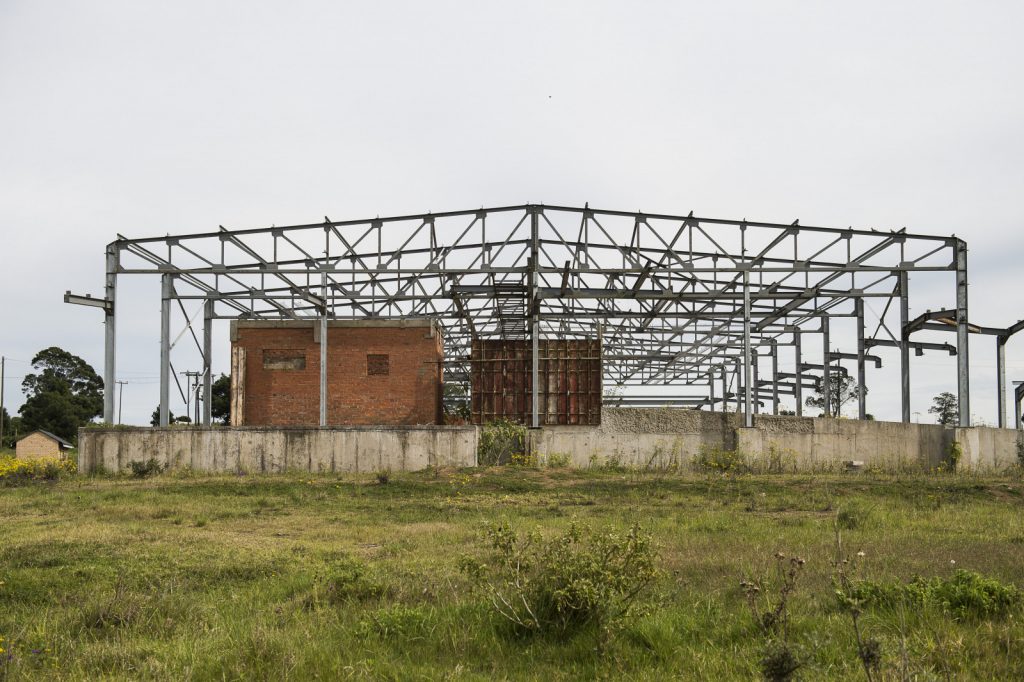
The government could have its assets attached next week after it blew R35 million on an incomplete Eastern Cape abattoir, which has stood as a dilapidated and rusty eyesore for almost seven years.
In May last year, the agriculture, land reform and rural development department was called “the culprit” in the stalled construction of a R60 million sheep and cattle slaughterhouse meant to provide much-needed economic development in the impoverished town of Butterworth along the N2 highway.
The Mnqumashe Abattoir — whose construction began in 2016 — had an initial completion target date of September 2017 that was extended to May 2018.
Nebavest 46, the company contracted to build the abattoir, was awarded more than R6 million for the “wrongful” termination of its construction agreement in February 2020, but has not received its payment and applied to attach the department’s assets, with the matter sitting in the Eastern Cape high court on 29 November.
Internal documents from the agricultural department show that the government has been scrambling since November not only to try to get out of paying Nebavest 46, but to get the construction firm to pay the department for the millions of rand lost in the project.
According to an internal note, the department has enlisted the services of advocate Sivuyile Mpakane “to assist the department with civil recovery [of monies lost] in this matter of Mnqumashe Abattoir based in the Eastern Cape’’.
The note was circulated in November.
But Nebavest 46’s project manager, Last Chingombe, said this week that the government objected to the attachment of its property, and the department has until the end of next week to provide justification for why the construction company should not seize assets.
“If the department does not give justification, then the high court will give the go-ahead for the attachment of property to cover the R6 million amount,” Chingombe said.
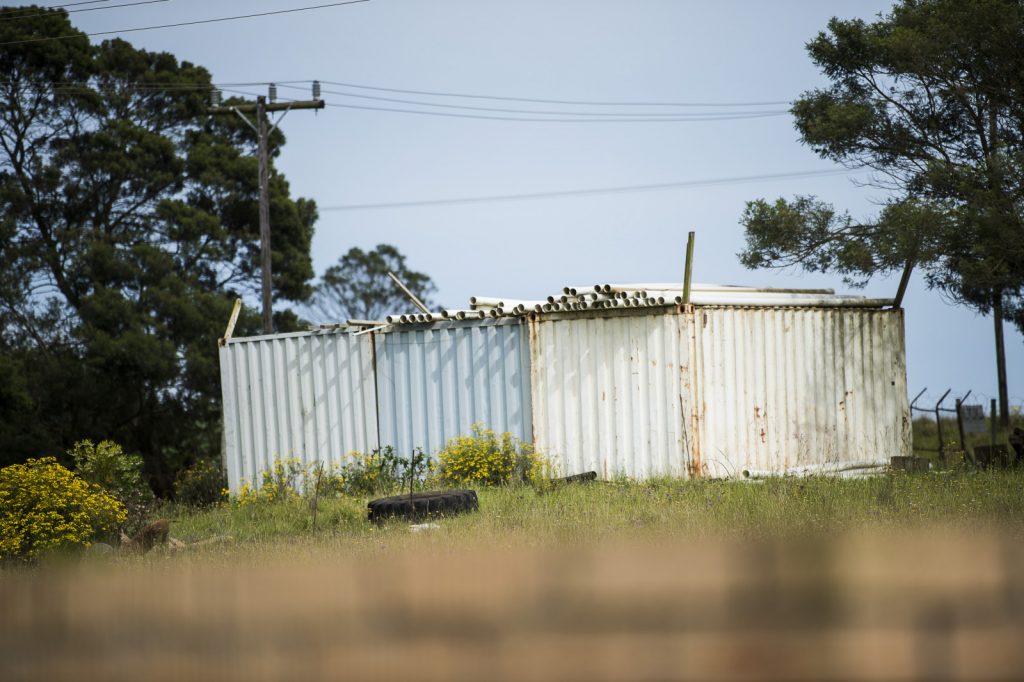
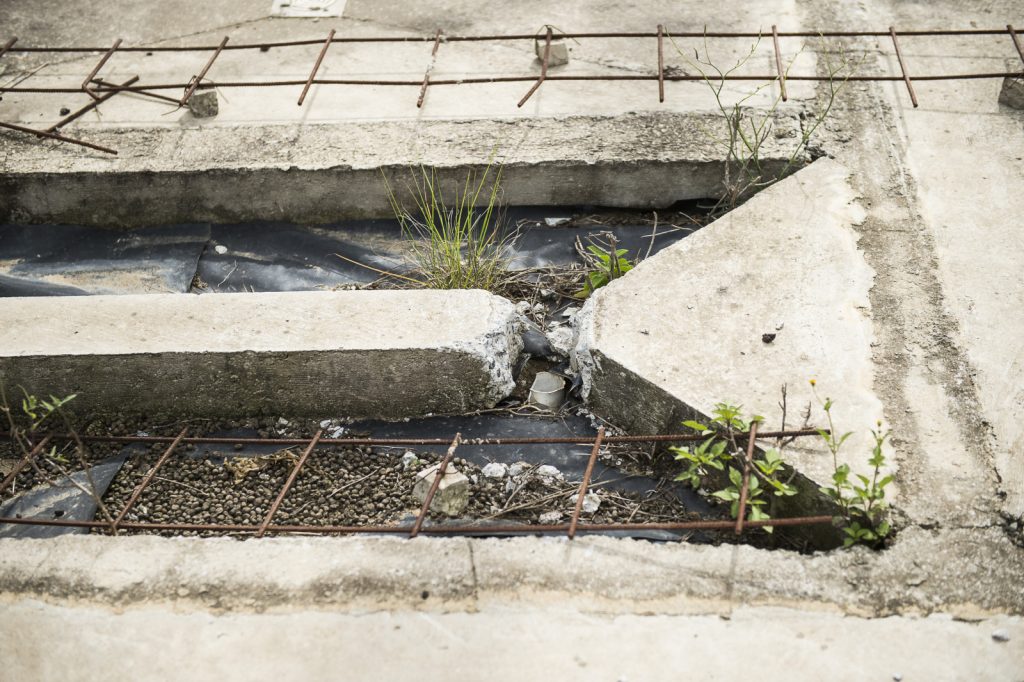
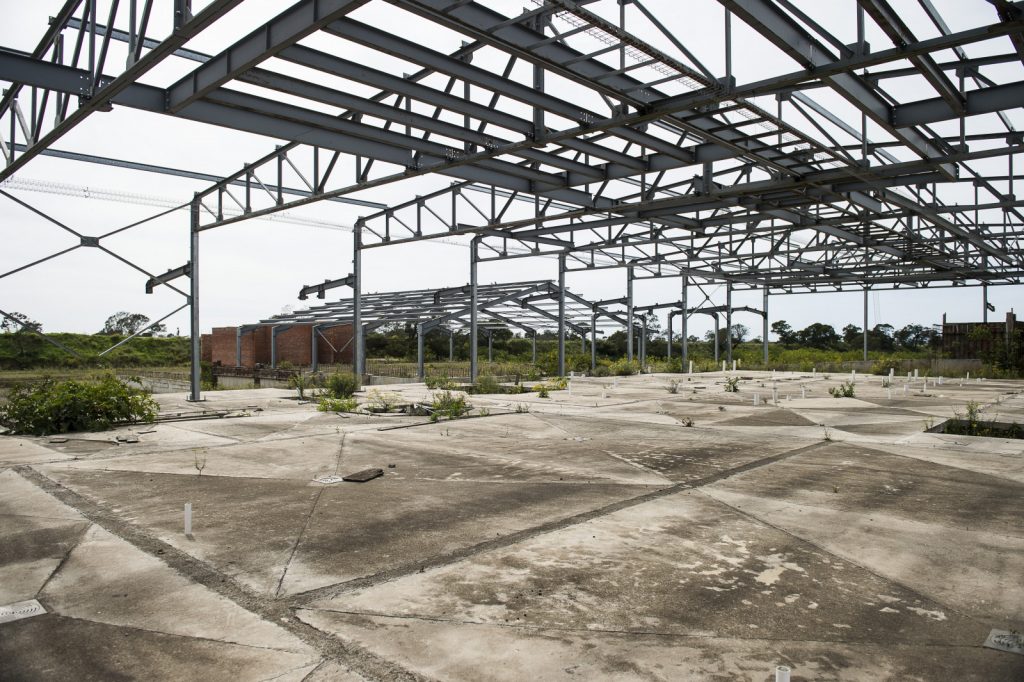
When the Mail & Guardian visited the Butterworth site last month, weeds were growing to almost knee high, with the corrugated steel that was used for construction rusting in the baking sun and rain.
Locals, who spoke on condition of anonymity, said many of the residents had started using the building material that had been lying there since the project was stopped in February 2020 to renovate their own homes and homesteads.
“The bricks were just lying there, so I decided to create a patio for myself and my family. I also used the concrete slabs as curbs to channel water out of my yard, and that ended the flooding that would build up when the heavy rains would come,” said one resident, who does not live too far from the abandoned project.
“I don’t feel bad at all for using the material because we were told that the abattoir would bring economic stimulus to this area, but things just went quiet without anyone from the government giving us reasons for this.”
This was echoed by another resident, who was shocked when told that the government had already spent R35 million on what is now ruins in the largely rural part of Butterworth.
“Basically, this place is a R35 million pile of rubbish, which has badly affected our subsistence farming,” said the older man, who also asked to remain anonymous.
Plants have grown on the expanse of land the abattoir was meant to occupy, and the livestock grazing there have to go around what remains of the barbed wire fence to get to the water source. Children also have to walk around the fenced area.
“This area could have benefited from the economic development stemming from this abandoned abattoir,” the older man said.
“Besides the employment opportunities for the people of eGcuwa [Butterworth], there was a possibility of an informal market springing up from economic activity. Maybe we could also have sent our cattle [to the abattoir] and grown our agricultural activity to be more commercial.”
This is not the first big project in Butterworth on which money has been squandered.
In July 2021, the M&G reported that the national human settlements department had spent R270 million to improve the lives of the 39 220 families living in dilapidated corrugated-iron homes and on formalising informal areas in the province.
The Amathole district municipality, under which the Mnquma municipality and Butterworth fall, was meant to have also benefited from the funds, with R78.1 million earmarked for the area’s development.
The government has maintained in papers the M&G has seen that the reason for the delays in the abattoir project was the alleged tardy and unprofessional behaviour of Nebavest 46.
But Alastair Hay, who adjudicated the arbitration in May, stated that the government’s assertions that the delays were caused by the contractor did “not appear to be credible”.
“The contractor’s version that the delays were attributable to the employer [the government] and connected with delays in payment, the suspension of work by the professional team due to non-payment, environmental authorisations not being in place and the many other causes adverted to in the claimant’s [Nebvest] so-called extension of time claim … persuades me that the culprit in so far as delays to the execution of the contract are concerned was predominantly if not entirely the employer,” reads Hay’s adjudication, which awarded the construction firm R6 million.
“More so as there is no evidence of any notices of delay having been issued to the contractor by the principal agent or the employer.”
Hay added that it was the agricultural department’s responsibility to prove that it was entitled to impose penalties to Nebvest 46 for the delays, calling it “insufficient” for the department to “contend that all delays post May 2018 are the responsibility of the contractor”.
In response to questions sent by the M&G, the agriculture department’s spokesperson, Reggie Ngcobo, said the department was concerned about the project’s delay but had started a process of ensuring the construction on the abattoir would be “resuscitated, fast-tracked and completed”.
He said an investigation was underway for the retrieval of any funds deemed to be wasted.
“The department appointed a counsel for legal advice and opinion on the best option to proceed with the two processes of adjudication award and the retrieval of the lost funds.”
[/membership]