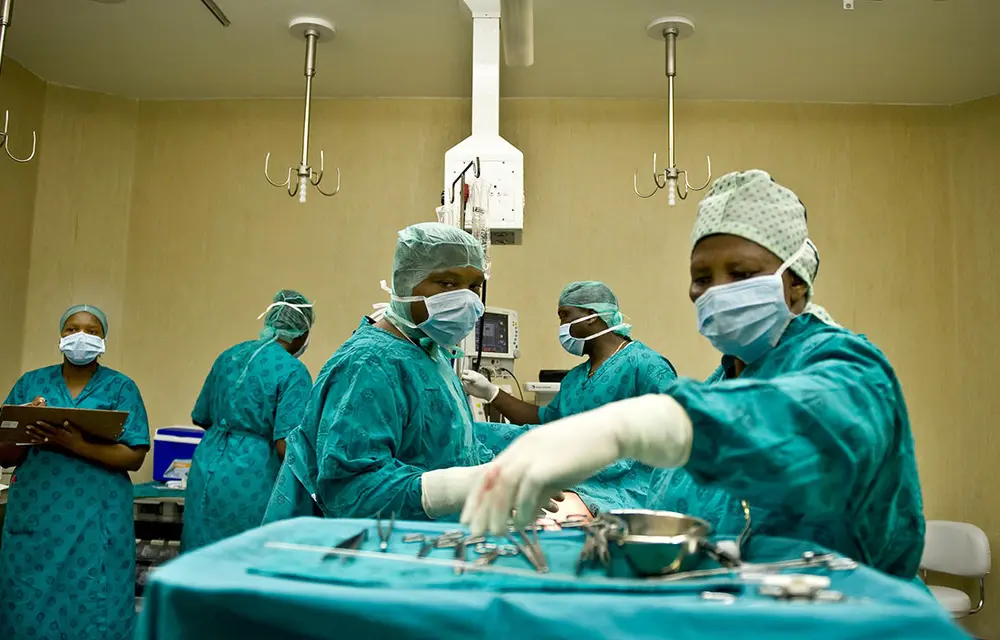
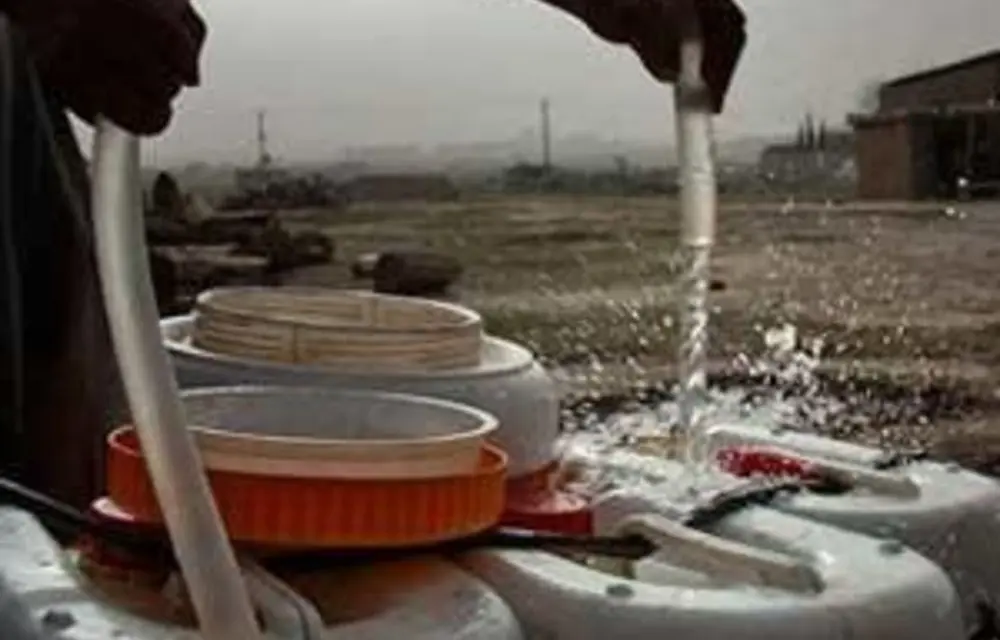

Pollution: Sasol claims that it recognises and understands the environmental footprint associated with its activities and responsibly manages these
in a prudent and lawful way. Photo: Delwyn Verasamy
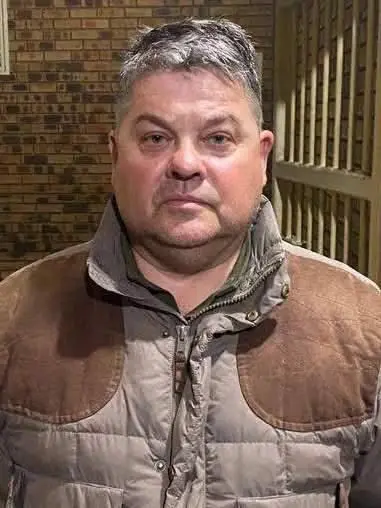
Environmental whistleblower Ian Erasmus says he is living in hiding while continuing to pursue environmental disclosures before parliament, as the parliamentary portfolio committee on forestry, fisheries and the environment intensifies oversight into allegations linked to Sasol’s operations.
The committee has escalated its scrutiny after receiving protected disclosures from Erasmus relating to alleged pollution of land, air and water associated with Sasol.
However, Sasol has disputed the allegations, saying previous criminal charges relating to environmental management at its Secunda operations were withdrawn by the state in July 2025 and that it has not been found liable in relation to the South African Human Rights Commission (SAHRC) inquiry into pollution in the Vaal River system.
In a recent statement, the portfolio committee confirmed that one of the protected disclosures it received was from Erasmus — though it did not name him — where he had raised concerns about discharges and environmental contamination involving toxic and carcinogenic substances.
The portfolio committee said the submissions included sensitive material relating to whistleblower intimidation, safety concerns and possible victimisation. “A legal opinion obtained by Parliament recommended that the oversight process be conducted in an open and transparent manner, given the high public interest,” it said.
The committee added that the concerns raised were consistent with academic studies conducted in areas surrounding Sasol operations and nearby water bodies, as well as media reports.
It further noted that Erasmus had since been dismissed and said that, if it were established that the dismissal was linked to his disclosures, it could be inconsistent with protections afforded to whistleblowers under the law.
Committee chairperson Nqabisa Gantsho said parliament has a constitutional mandate to exercise oversight over environmental governance and compliance.
“We will pursue a follow-up engagement on the Sasol matter, particularly as these issues have been reported to institutions such as the Public Protector, the SAHRC and law enforcement agencies,” Gantsho said.
“The committee supports the protection of whistleblowers and expects that all necessary measures are taken to safeguard individuals who act in the public interest.”
The committee has resolved to hold further meetings with the department of water and sanitation, the National Prosecuting Authority (NPA), the department of forestry, fisheries and the environment, the relevant municipality and the SAHRC.
Environmental compliance, enforcement and whistleblower protection under the National Environmental Management Act (Nema) are among the agenda items.
Gantsho said the issues raised before the committee touch directly on Section 24 of the Constitution, which guarantees the right to an environment not harmful to health and wellbeing.
The committee also heard a separate protected disclosure relating to allegations of maladministration at SANParks.
Erasmus, a former Sasol senior process controller, worked at Sasol from 2005 until 2020, when he said he was forced to resign after raising concerns internally and externally about environmental non-compliance.
In February 2019, Erasmus testified at the SAHRC’s inquiry into the pollution of the river, alleging that the petrochemical giant, through gross negligence, was dumping hazardous chemicals into the river system because chemical sewer valves at its Secunda Benfield units were broken. Three months after his protected disclosures, Erasmus was suspended.
Erasmus provided evidence showing elevated levels of vanadium – a hazardous heavy metal waste – in Sasol’s western API dams during 2017 and 2018, based on the company’s own internal analyses.
Last month, he made a further presentation to parliament as part of protected disclosures submitted since June 2025. “I have been driving the Sasol matter and various other environmental issues relentlessly behind the scenes and I am grateful to the parliamentary committee on forestry, fisheries and environment for the opportunity to present my protected disclosures on 21 April,” Erasmus said.
“I look forward to seeing change in environmental protection and our Section 24 constitutional rights, as well as solid whistleblower protections in South Africa.”
In parliament, Erasmus focused on among others, what he described as widespread pollution in the Vaal Dam and Vaal River system from industrial and municipal sources, as well as “the alarming sick and deformed fish being caught in the Vaal in recent years”.
“I also presented on South African scientific studies on the effect of vanadium on fish and aquatic life by Dr Simone Dahms-Verster and Dr Kaylee Beine. These particular scientific studies are the first of their kind in the world.”
The parliamentary scrutiny comes after the NPA in 2022 charged Sasol South Africa Limited over alleged historical environmental management failures at its Secunda operations.
According to the charge sheet, Sasol was accused of unlawfully discharging waste containing vanadium, diethanolamine and potassium carbonate into chemical sewer systems flowing into API dams between January 2012 and February 2019.
The state further alleged that the waste entered the neighbouring Klipspruit River system and could have caused groundwater and environmental pollution. The company was also accused of constructing a desalination plant and rehabilitating a waste disposal area without the necessary environmental authorisations.
However, Sasol said the state withdrew all charges against the company on the day the matter was set down for trial in July 2025.
“At the outset, we wish to state that Sasol recognises and understands the environmental footprint associated with our activities and responsibly manages these in a prudent and lawful way as underpinned by our SHE [Safety, Health and Environment] Policy and Code of Conduct, among others,” the company said.
Its operations are subject to ongoing regulatory inspections by the environmental management inspectorate, enforcement action and remedial requirements. “We follow a robust process to report, manage and mitigate environmental matters. We engage transparently with authorities and fully cooperate during inspections.
“We recognise and uphold the statutory mandate of the various authorities in governing, monitoring and enforcing compliance with the environmental requirements to which Sasol must adhere.”
In July 2022, the NPA served Sasol South Africa Limited with a charge sheet instituting criminal proceedings. The charges followed an investigation by the Environmental Management Inspectorate within the environment department.
“Sasol fully cooperated with the authorities in this investigation. The matter was set down for trial in July 2025. However, the state withdrew all charges against Sasol on the day of the trial.”
Sasol said it could not comment in detail on allegations that Erasmus was subjected to retaliation after raising environmental concerns, saying these matters must be addressed in the appropriate legal forum.
The company said the SAHRC inquiry concluded in February 2021 with no findings against Sasol in its final report.
“Sasol is committed to the creation and sustenance of a working environment that protects all employees from all forms of discrimination and/or victimisation.
“Sasol does not tolerate any form of intimidation or victimisation of individuals or communities raising any concerns. We have formal grievance, whistleblowing and stakeholder engagement policies and channels in place to ensure concerns can be raised safely and confidentially.
“Our values and Code of Conduct underpin how we behave and guide how we interact with each other and our stakeholders. Sasol, through a whistleblower policy, promotes a culture in which all stakeholders and employees are encouraged to speak up and report unethical, illegal or undesirable conduct without fear of retaliation and reprisal.”
Before parliament, Erasmus also raised broader concerns about whistleblower protection in South Africa, saying existing legal protections had not translated into meaningful protection in practice.
“I am, as far as I know, the only reported South African whistleblower who has made protected disclosures regarding environmental non-compliance,” he said. “And as an environmental whistleblower I am afforded protection under the Nema Act 107 of 1998… Read with the Companies Act Section 159. I may be the best protected whistleblower ‘on paper’.
“But despite all the established whistleblower protection legislation, I have not been protected from historical and ongoing unlawful retaliation. Any new whistleblower legislation will be equally ineffective without enforcement.”
While the newly-proposed Protected Disclosures Bill is currently open for public comment, “it already falls severely short in offering any real protection”.
President Cyril Ramaphosa said in his 2026 State of the Nation Address that the forthcoming whistleblower protection legislation would criminalise retaliation and provide psychosocial, legal and financial support to whistleblowers. “There will be no impunity for acts of criminality and corruption,” Ramaphosa said.