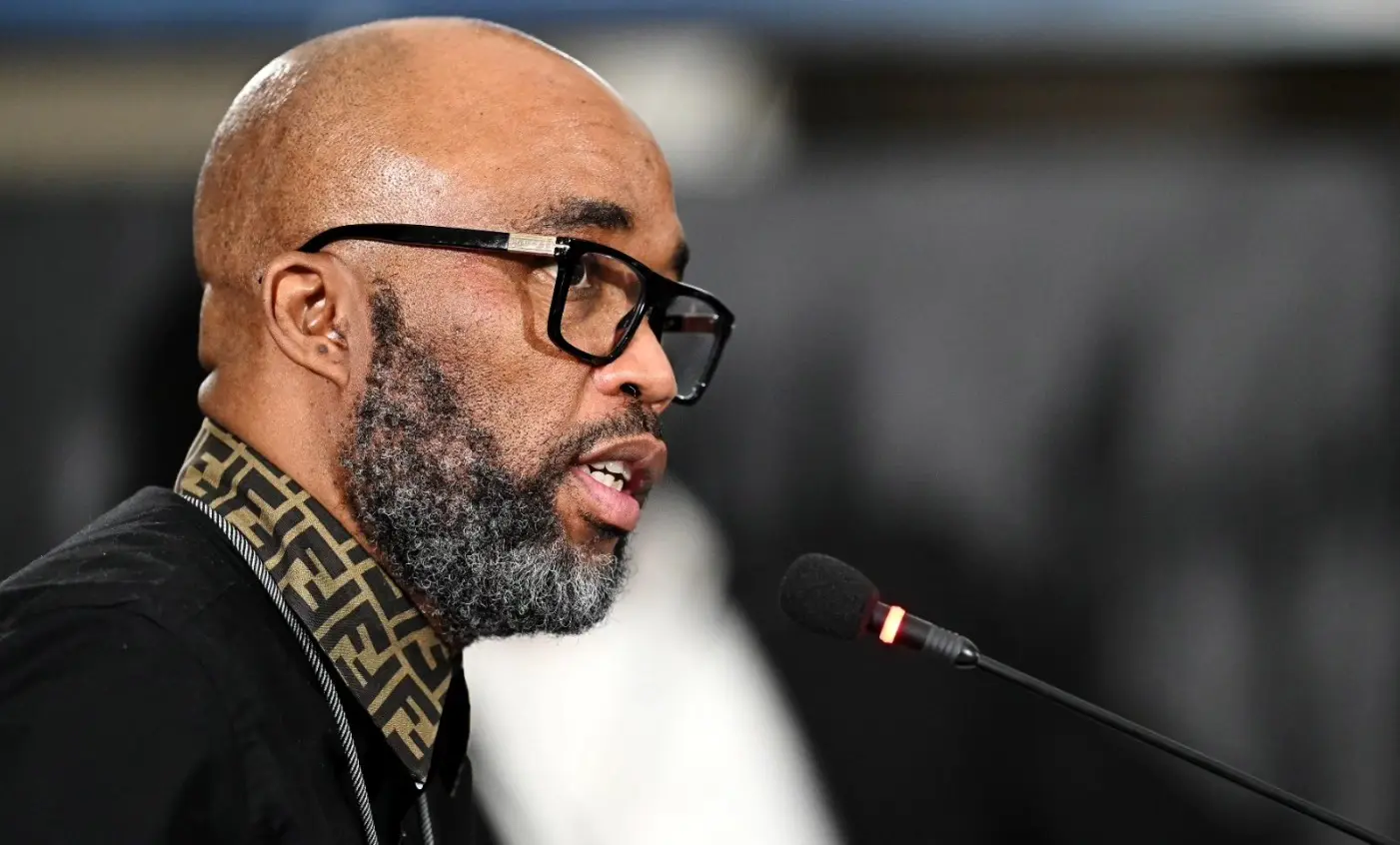
Oligarchic power: Zimbabwe’s state is not reformed but captured, its sovereignty traded for elite permanence.
Emmerson Mnangagwa’s Zimbabwe is not merely a troubled polity; it is the quintessential laboratory of state capture in Africa.
Here, oligarchs bankroll the regime, institutions are bent into instruments of protection and propaganda is weaponised to deflect blame onto sanctions, the opposition and so-called “unpatriotic” citizens.
What masquerades as reform is in fact a carefully choreographed illusion, a phantom theatre designed to entrench corruption while projecting the mirage of renewal. At the heart of this choreography stand three emblematic figures: Temba Mliswa, Wicknell Chivhayo and Kudakwashe Tagwirei, each embodying a distinct facet of ZANU-PF’s patronage machine.
Mliswa, the loudmouth fixer, thrives on noise and intimidation, drowning accountability in factional theatrics. Chivhayo, the flamboyant youth patron, dazzles with ostentation, binding the next generation to the regime through spectacle rather than substance.
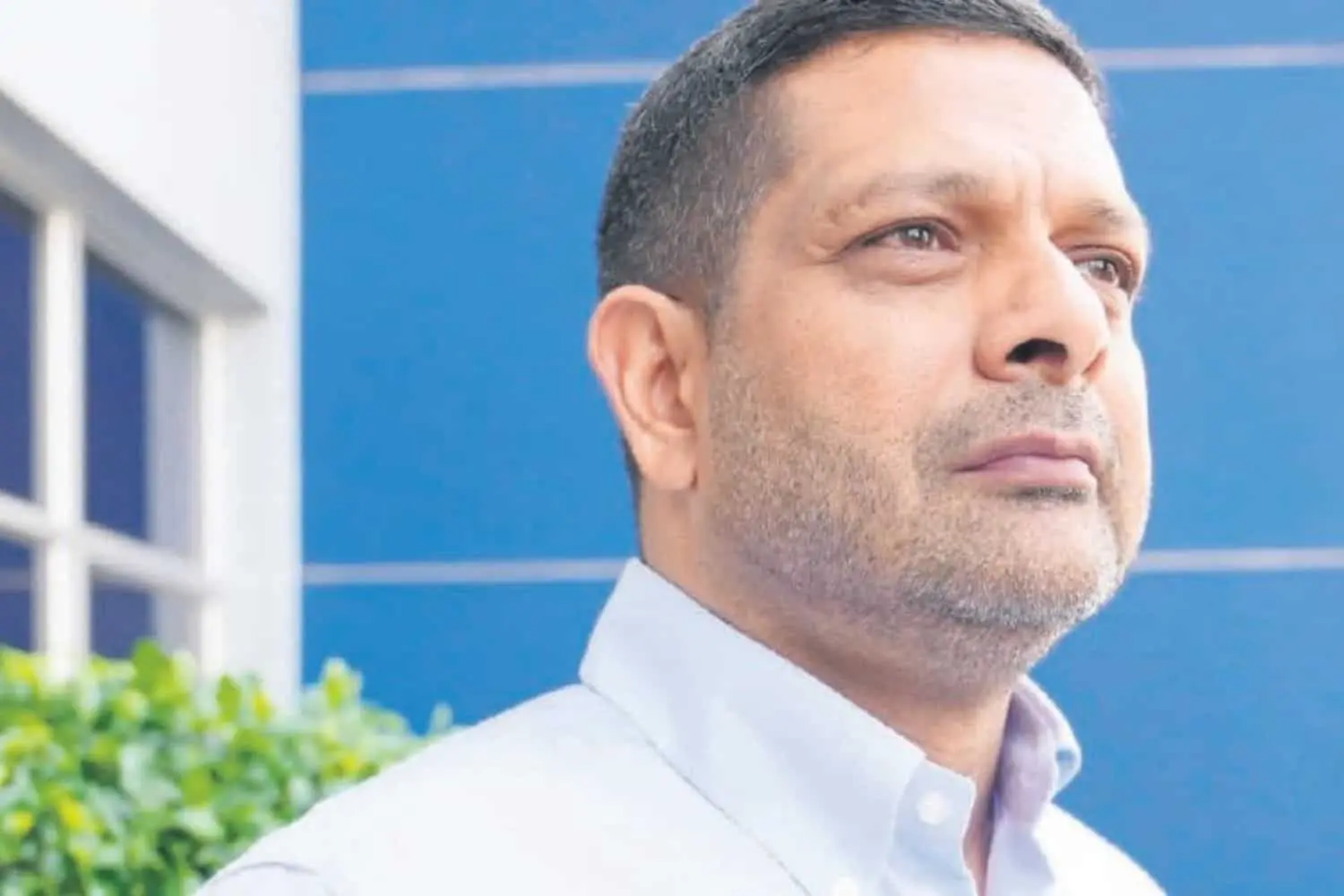
Tagwirei, the financial kingmaker, monopolises the commanding heights of the economy, fusing private empire with public power. Together, they form a triumvirate of capture, consolidating Mnangagwa’s hold on the state while hollowing out the promise of reform.
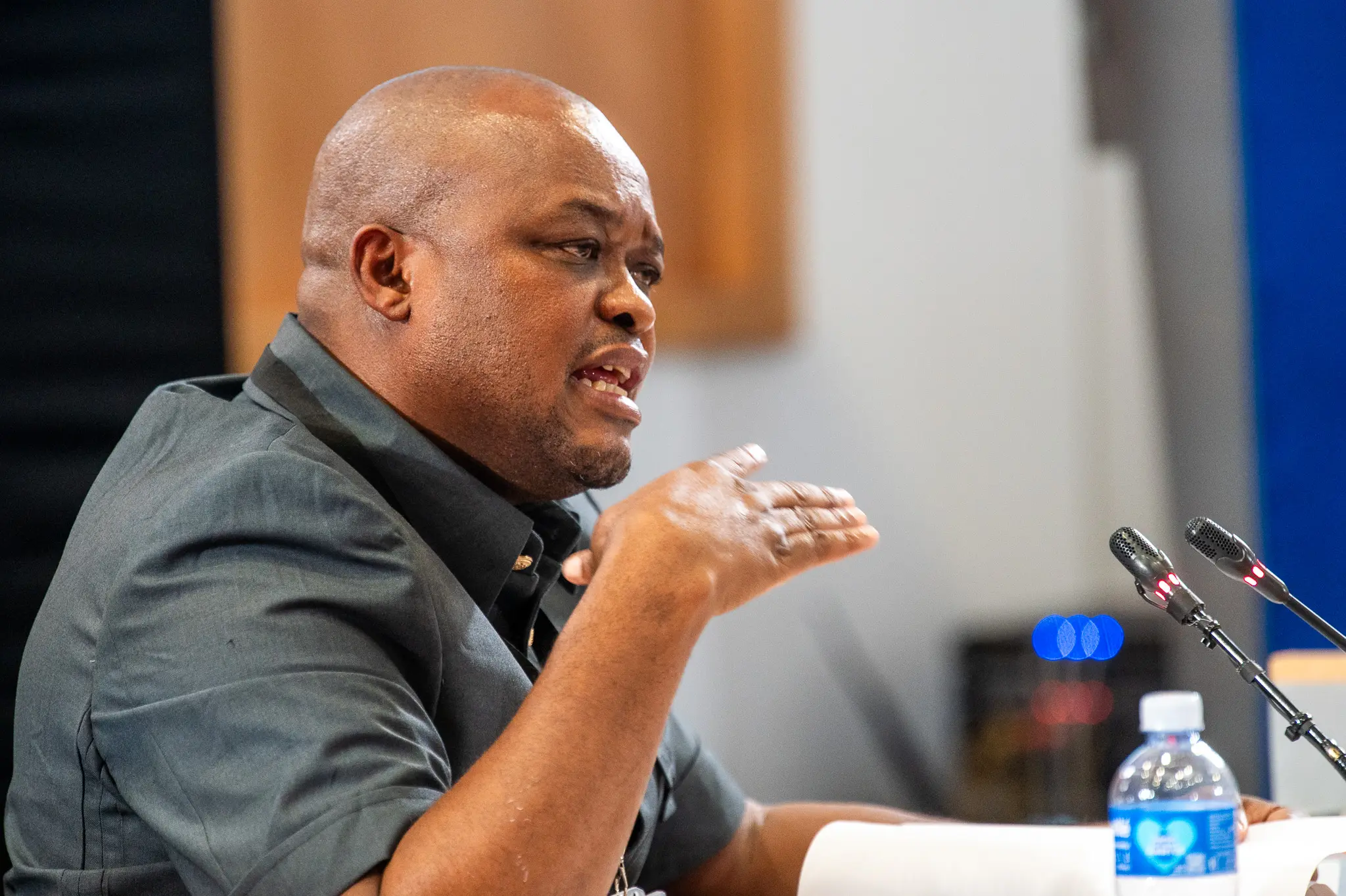
Mliswa’s role epitomises the prebendal logic of Zimbabwean politics: he is not a policymaker in any meaningful sense but a political fixer whose utility lies in noise, intimidation and factional manipulation. His interventions are carefully calibrated to protect oligarchs such as Chivhayo and Tagwirei, ensuring that ZANU-PF’s patronage machine remains intact.
In the architecture of state capture, Mliswa functions as the enforcer of narrative chaos, the man who guarantees that corruption is never confronted as systemic rot but always reframed as factional intrigue.
His loudmouth politics is not accidental; it is functional, serving the regime by drowning accountability in theatrics, shielding elites from scrutiny and consolidating Mnangagwa’s hold on power.
The cases that define his role illustrate this pattern with clarity. In parliament and public discourse, Mliswa substitutes substance with volume, a style so performative that even ZANU-PF ministers such as Tino Machakaire have dismissed his interventions as “noise over substance”.
This deliberate cacophony is designed to obscure accountability rather than advance policy. When the ZANU-PF Youth League criticised Chivhayo’s proposed US$3.6 million donation to parliament, Mliswa leapt to Chivhayo’s defence, castigating the league for “factional posturing” and reframing the controversy as an internal squabble rather than a serious question of corruption and undue influence.
In succession politics, he has positioned himself as a gatekeeper, inserting himself into disputes between Mnangagwa and Chiwenga, ensuring that corruption dossiers are neutralised by being recast as factional battles.
Taken together, these episodes reveal why Mliswa embodies the “loudmouth fixer”.
His strategy is noise, his function is shielding, his loyalty is to oligarchs and his gift to the regime is narrative chaos.
He is the attack dog of prebendal politics, a man whose bombast is emblematic of Zimbabwe’s “furniture politics”, where permanent actors outlast regimes not because of merit but because of their utility in sustaining patronage.
His interventions drown out legitimate debate, reframing corruption as factional squabbles and in so doing, he ensures that accountability is always deferred. Mliswa’s noise is the silence of corruption disguised as sound.
Chivhayo’s politics is performed in spectacle, not policy. His flamboyant wealth, luxury cars, cash handouts and ostentatious philanthropy function as prebendal theatre, binding young Zimbabweans to ZANU-PF through dependency and awe.
In a nation mired in poverty, his gaudy opulence is an insult disguised as generosity, crass in taste and hollow in delivery. The stalled Gwanda Solar Project epitomises contracts awarded for loyalty, not competence.
His largesse, defended even in parliament, weaponises patronage to shield him from scrutiny. Chivhayo thrives on spectacle because spectacle is the currency of capture, dazzling youth into silence while masking the rot of failed governance.
Tagwirei is the oligarch par excellence, the financial kingmaker whose empire has fused seamlessly with the state. Through Sakunda Holdings, he monopolises Zimbabwe’s economic lifelines: fuel, mining concessions and agriculture programmes such as Command Agriculture, transforming critical sectors into private fiefdoms.
His dominance over the ethanol monopoly, where cartel capture has suffocated energy justice, is emblematic of how elite financing of politics translates into structural capture of the state.
Tagwirei’s proximity to Mnangagwa is not incidental but foundational: he bankrolls the regime and in return, institutions are bent to shield him from scrutiny while tenders are parcelled out as prebendal entitlements.
The cases that define his role are stark. Command Agriculture, touted as a flagship programme to boost food security, became a conduit for Sakunda’s enrichment, with billions of dollars unaccounted for and no commensurate delivery.
In the fuel sector, Tagwirei’s stranglehold has created artificial shortages and price distortions, deepening inflation and poverty while ensuring that the regime’s survival is tethered to his largesse.
In mining, his access to lucrative platinum and gold concessions illustrates how state resources are treated as personal spoils, distributed to loyalists to maintain political control. Each of these cases demonstrates not reform but capture: the bending of public policy to serve a private empire.
Tagwirei’s role epitomises prebendal politics in its most corrosive form. He is not simply a businessman; he is the financier of Mnangagwa’s regime, the oligarch whose wealth underwrites propaganda, whose monopolies entrench poverty and whose protection by the state reveals the complete subversion of institutions.
His empire is a mirror of Zimbabwe’s collapse: a private fortune built on public ruin, a monopoly sustained by political patronage and a financial machine that consolidates Mnangagwa’s hold on power while hollowing out the promise of national sovereignty.
In the architecture of state capture, Tagwirei is the indispensable kingmaker, the man whose money oils the patronage machine, whose monopolies suffocate economic justice and whose fusion of private wealth with public power makes him the most dangerous face of Zimbabwe’s prebendal state.
Mnangagwa’s government thrives not on reform but on the illusion of change. Constitutional amendments, as Rejoice Ngwenya has shown, are engineered to extend rule beyond 2028, hollowing institutions into instruments of elite survival.
Within this framework, Mliswa, Chivhayo and Tagwirei flourish: Mliswa’s theatrics substitute for neutered accountability, Chivhayo’s spectacle reframes failure as loyalty and Tagwirei’s monopolies are shielded by pliant law.
Together they embody prebendal politics, where reform is phantom, permanence is manufactured and institutions exist only to consolidate oligarchic power. Zimbabwe’s state is not reformed but captured, its sovereignty traded for elite permanence.
Zimbabwe under Mnangagwa exhibits every hallmark of state capture, where governance has been hollowed out and replaced by oligarchic control. Business elites such as Tagwirei, Chivhayo and Scott Sakupwanya dominate fuel, mining, agriculture and energy, bankrolling the regime in exchange for protection and monopolistic access to state tenders.
Dissent is crushed: security forces target students and activists resisting Mnangagwa’s “ED2030” ambitions, while corruption dossiers vanish to shield powerful allies. Judicial engineering corrodes constitutional safeguards, with whispers of extending Mnangagwa’s rule beyond 2028, bending law to entrench elite permanence.
This is not governance; it is capture. Institutions serve privilege, repurposed as shields for the powerful. Chivhayo dazzles with spectacle, Tagwirei monopolises the economy, Mliswa drowns accountability in noise and Sakupwanya siphons gold revenues. Together, they reveal a systemic prebendal order where the presidency itself is the epicentre of patronage, parcelled out among loyalists.
To sustain this order, ZANU-PF deploys propaganda with ruthless precision, deflecting blame onto sanctions and the opposition while sanctifying corruption as a patriotic duty.
The consequences are catastrophic: monopolies hollow the economy, inflation deepens poverty, youth are brutalised for dissent and instability radiates across Southern Africa. What emerges is not mere dysfunction but a contagion of capture, an economy and polity corroded in service of elite permanence.
Zimbabwe today is the textbook case of state capture disguised as reform. Figures such as Mliswa, Chivhayo and Tagwirei are archetypes of a prebendal system where oligarchs finance politics, institutions shield them and propaganda masks the rot.
Mnangagwa’s regime treats the state as a private estate, parcelled out among loyalists, normalising corruption as governance. The tragedy is not only economic collapse but the entrenchment of capture as the ordinary rhythm of political life.
Yet history reminds us that even entrenched prebendal orders can be undone when citizens reclaim agency.
The path forward lies in civic resilience: strengthening civil society, universities, churches and unions as counterweights to oligarchic power.
Zimbabweans must demand transparency, audits of programmes such as Command Agriculture and Gwanda Solar and expose networks siphoning wealth.
Youth must resist spectacle and patronage, cultivating solidarity around ideas. Ultimately, rescue will come not from elites but from citizens reclaiming the state as a public trust.
Wellington Muzengeza is a political risk analyst and urban strategist offering incisive insight on urban planning, infrastructure, leadership succession and governance reform across Africa’s evolving post-liberation urban landscapes.