


Pharmaceutical industry leaders have called for stronger enforcement against the open sale of unregistered weight loss products in South Africa, warning that their marketing through social media and well-ness businesses is putting patients at risk.
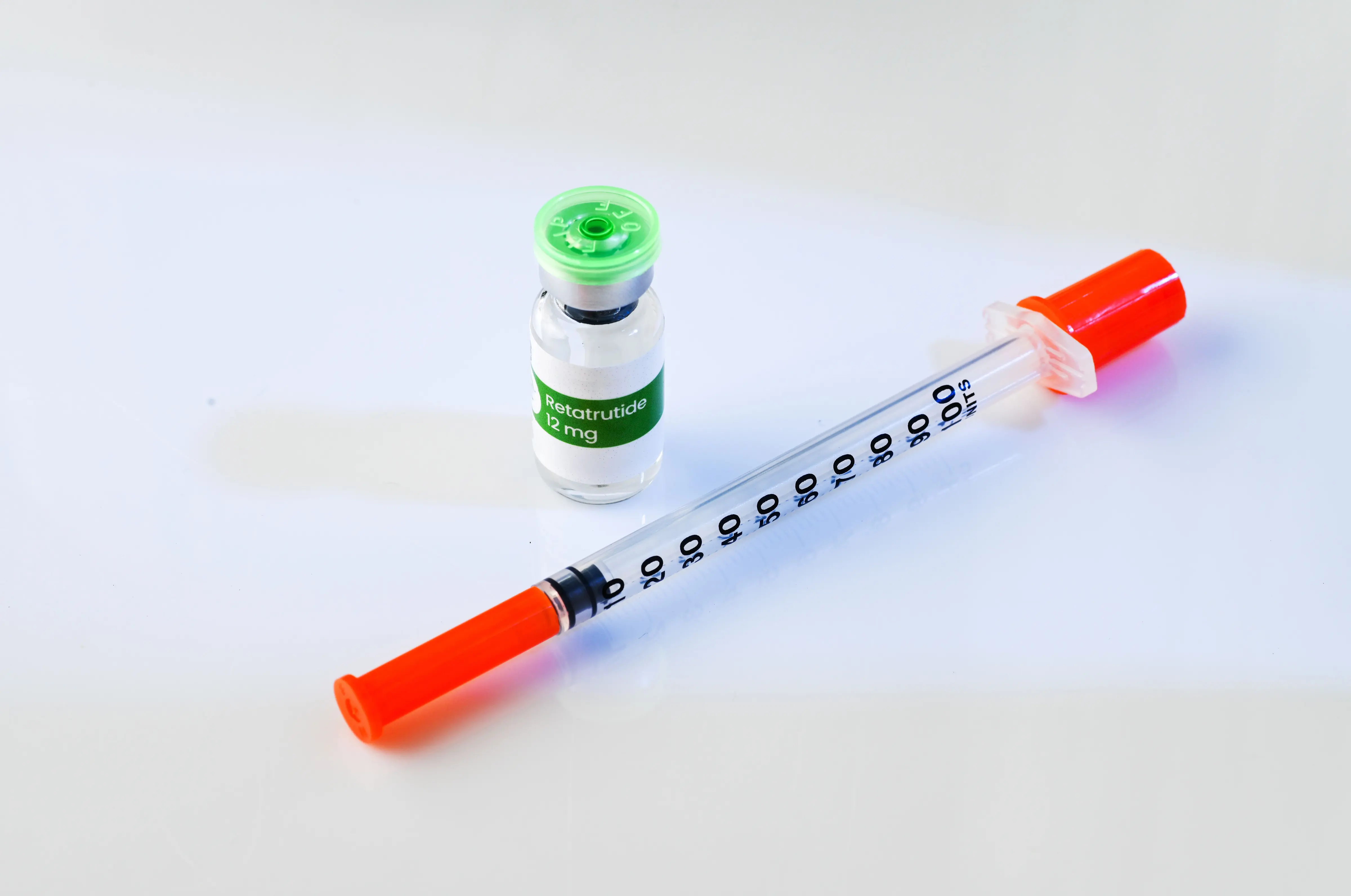
Speaking at a Pharmaceutical Task Group media roundtable in Sandton on Wednesday, chairperson Stavros Nicolaou singled out products marketed as retatrutide, an investigational treatment, as a priority for action.
He called for seizures, arrests and prosecutions, arguing that visible enforcement would deter sellers and protect confidence in the country’s medicines regulatory system.
US pharmaceutical company Eli Lilly, which is developing retatrutide, says it remains investigational and is available only to participants in its clinical trials. The company has warned against products sold outside those trials.
Nicolaou said authorities needed to tackle openly advertised sales alongside more sophisticated distribution networks.
The roundtable brought together regulators, healthcare professional bodies, border officials, the South African Revenue Service and industry representatives to discuss counterfeit, unregistered and illegally distributed medicines.
SAHPRA regulatory compliance manager Daphney Fafudi said regulations were in place but enforcement remained a challenge.
She said SAHPRA opened criminal cases and worked with other agencies, although progressing those cases depended on institutions beyond the medicines regulator. She also referred to engagement with the National Prosecuting Authority to support the handling of cases.
Sara Norcross, an executive committee member of the Innovative Pharmaceutical Association South Africa and Novo Nordisk’s vice president and general manager for South Africa, said the visibility of sellers could lead consumers to assume their products were legitimate.
She called for enforcement action to be communicated more prominently and for public education to counter misleading claims used to sell pre-scription products through informal channels.
The concern extended to healthcare professionals supplying suspect products, she said. This complicated the advice that patients should obtain medicines through a trusted doctor or pharmacy.
Norcross said industry efforts included reporting suspected suppliers, sending cease and desist letters and taking legal action.
Border Management Authority commissioner and chief executive Michael Masiapato said some medicines entered South Africa under misleading declarations, including as cosmetics.
Officials used intelligence and risk assessments to identify suspicious consignments, compared their contents with import documents and sought SAHPRA’s technical assistance where necessary.
Masiapato also raised concerns about products carried in travellers’ luggage. He said the authority was exploring whether dogs could be trained to detect these medicines, alongside its existing detection capabilities.
Gene Ravele, SARS head of the Syndicated Tax and Customs Crimes Division, said customs used electronic import declarations and an automated risk assessment system to flag suspicious consignments, drawing on information from SAHPRA and other authorities.
He urged stakeholders to share intelligence about suspected illegal medicine sellers so SARS could investigate their income, tax affairs and asset growth. Undeclared proceeds offered another avenue for disrupting the trade, he said.
The discussion also examined pharmacy compounding, with South African Pharmacy Council registrar and chief executive Vincent Tlala emphasising the preparation of medicines for individual patients on the basis of prescriptions. He warned against pharmacies operating as manufacturers and said existing regulations remained applicable while further standards and guidance were being developed.
Kwena Mabasa, head of the Health Professions Council of South Africa’s Complaints Handling and Investigation Division, said complaints against practitioners could come from patients, other professionals, regulators and inspections.
She said serious cases could warrant proceedings to suspend a practitioner pending an inquiry. Disciplinary sanctions could include suspension or removal from the register, depending on the findings.
The roundtable followed the announcement of a government and pharmaceutical industry task force mandated by President Cyril Ramaphosa.
Its priorities include the Single Exit Price framework and access to biologic medicines, preferential local procurement, SAHPRA regulatory matters and data to inform policymaking.
Nicolaou said the task force would address issues raised during the discussion, but enforcement against illegal suppliers remained essential.