


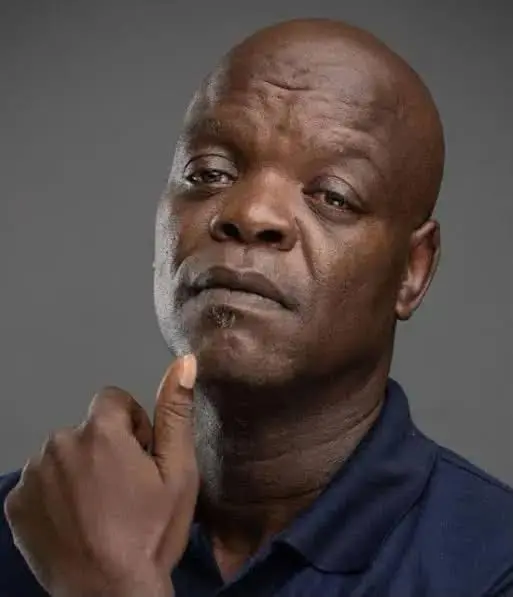
The South African entertainment industry is in mourning over the loss of one of its most enduring and versatile talents. Seputla “Steez” Sebogodi, the acclaimed actor and musician born on 31 October 1962 in Lady Selborne, Pretoria. His death was publicly announced on 16 July 2026 at the age of 63.
With a career spanning more than four decades, Sebogodi left an indelible mark on television, film, theatre and music. His death feels like the closing of a premature but rich chapter in South African storytelling, one defined by authentic talent, resilience and an unyielding commitment to the craft.
Sebogodi’s journey has been a long one. It began in the early 1980s, trained at Unisa and under the legendary Gibson Kente. He burst onto the scene in the 1990s with memorable roles in local productions, including the Setswana drama Bophelo Ke Semphekgo, where he portrayed the charismatic but notorious womaniser Nkwesheng. The early TV work showcased the magnetic presence and emotional depth that would define his career.
He became a household name in the 1996 series Surburban Bliss as Ike Moloi, as well as the villainous businessman Kenneth Mashaba in the SABC1 soap opera Generations for a decade. This role earned him a Safta Award and cemented his status as a master of complex, larger-than-life characters. His performances in The River, Redemption, Rhythm City and international projects like The Woman King (2022) and The Republic (2019) further highlighted his range, from gripping drama to nuanced supporting turns.
Beyond the screen, Sebogodi was a formidable stage presence. I fondly remember him vividly across many productions that captured the vibrancy and struggles of South African life. In the mid-2000s as a young journalist riding a bicycle in the dark and dangerous night streets of downtown Johannesburg to go see him on stage, I had the privilege of writing about him for the Mail & Guardian, covering his powerful stage-work at the Market Theatre during a fertile period for South African theatre.
His portrayal in Big Dada, Brett Bailey’s intense show where he embodied the infamous Idi Amin, was nothing short of electrifying, blending menace, charisma and tragic humanity in a performance that lingered long after the curtain fell.
Similarly, in Place of the Rock – How The Land Was Taken, a one-man play adapted from the writings of intellectual, journalist and activist Sol T Plaatje, written and directed by renowned playwright Maishe Maponya, he brought a grounded intensity that resonated with audiences, navigating themes of identity, power and survival with the authenticity that marked all his work.
Those who knew his theatre roots understood that Sebogodi was more than an actor; he was a storyteller rooted in the cultural soil of his country. His collaborations in productions like Waiting for Godot in Africa, Mooi Street Moves and later works such as Black Moon (which he wrote and performed in) reflected a lifelong dedication to the stage.
Even as health concerns and industry challenges arose in recent years, including a period of financial hardship after leaving Generations, he continued to inspire with gospel music and community engagements. He was a two-time Safta winner whose awards celebrated not just technical skill but the soul he poured into every role.
What made Sebogodi special was his ability to humanise the flawed and the formidable. As Kenneth Mashaba, he turned a scheming antagonist into a character viewers loved to hate, yet one who mirrored the complexities of ambition in post-apartheid South Africa.
On stage, he commanded attention with a voice that could boom with authority or crack with vulnerability. Sometimes he would shout with bullets of saliva spraying out of his mouth to the audience or even a cast-member’s face.
Colleagues often spoke of his professionalism, warmth and mentorship of younger artists. In interviews, he reflected candidly on the industry’s hurdles, from language barriers to economic precocity, advocating for greater support for veterans who gave their all to the craft.
As tributes pour in from fans, fellow actors and cultural institutions, one truth stands clear: Seputla Sebogodi embodied the resilience of South African arts. He rose from Pretoria’s townships to national stages and global screens, carrying with him the stories of ordinary people elevated through extraordinary performances. His music, heavily rooted in gospel, offered solace and celebration.
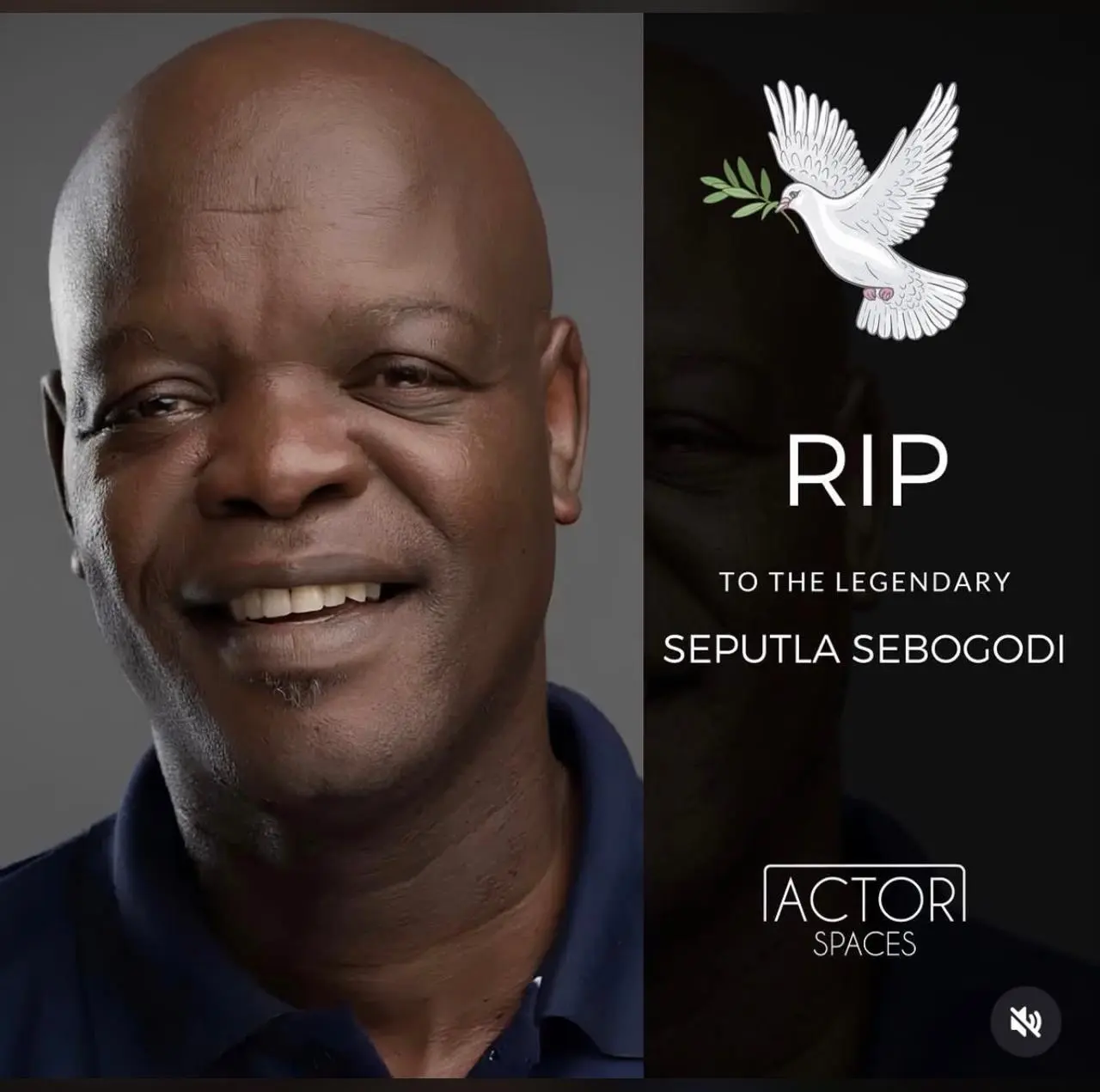
Though he leaves us too soon, his legacy endures in the characters he immortalised and the lives he touched. To his family, friends and the countless admirers who grew up watching him, our deepest condolences. Rest in power, Ntate Sebogodi. Your light on stage and screen will continue to guide future generations of storytellers.
In an industry that often forgets its elders, let us remember him not just as Kenneth, Ike or Nkwesheng but as a thespian who gave everything to his calling. South Africa has lost a giant, but his spirit, fierce, talented and profoundly human, will echo through every future production that dares to tell our truths with courage and heart as he did.