


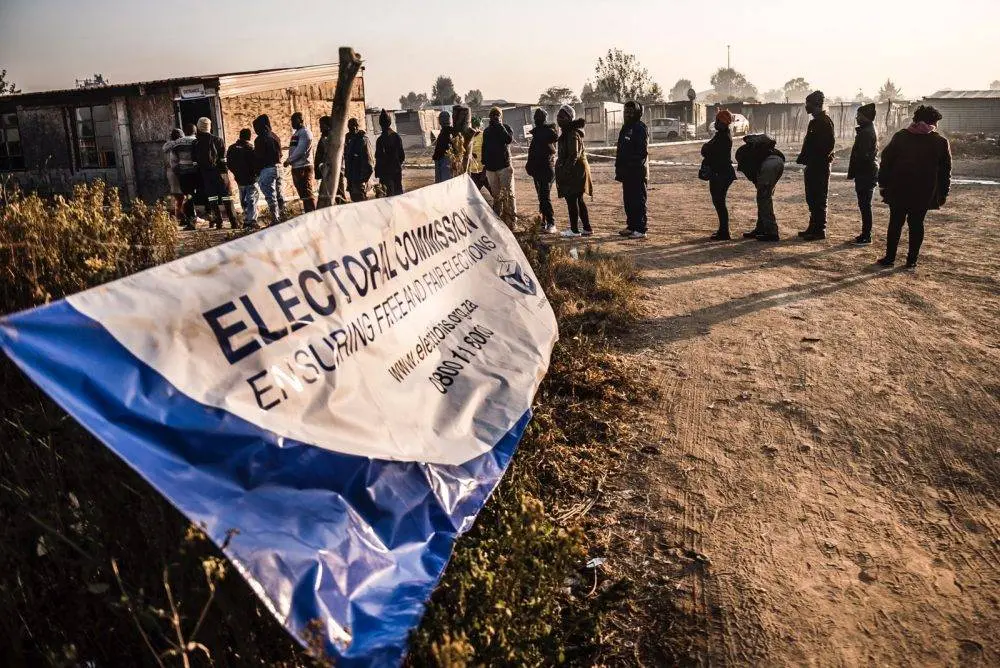
Much of the attention during an election falls on the political parties, their candidates and the people queuing to cast their votes. But between the arrival of the first voter and the closing of a voting station, there is a workforce responsible for ensuring the process keeps moving.
Some of their work happens before a voter even reaches the ballot paper and after the voter has forgotten they even voted. Queue workers help manage the flow of people, check identification documents and direct voters to the correct stations. When someone is unsure about their registration details, they help point them towards the appropriate IEC information services or officials who can assist.
Other officials have the responsibility of marking voters’ thumbs with indelible ink after they have voted, helping to prevent people from casting more than one ballot. There are also those who oversee the process, monitor proceedings and observe whether voting procedures are being followed. And these same people are also part of those who count the votes at the end of the day.
These jobs are different but they depend on one another. A voter needs to be directed to the right place, have their details checked and be guided through the necessary steps before casting a ballot. The process requires coordination, attention to detail and perhaps most importantly, patience.
That patience can be tested. Voters may arrive at the wrong station, discover that their registration details differ from what they expected, or become frustrated by long queues. Some may not understand why they cannot vote at the same station where they previously cast their ballots. For the people assisting them, explaining these procedures while keeping queues moving is part of the work.
It is easy to underestimate these interactions. Yet a confusing instruction or an unresolved registration query can turn what should be a straightforward process into a frustrating experience. Election workers are often the first people voters approach when something goes wrong, even when the problem may be beyond their control.
The physical conditions of voting stations also matter. A venue may be adequately staffed but that does not necessarily mean it is accessible to everyone. Steps, unsuitable entrances and limited space can create difficulties for people with disabilities and older voters. Accessibility needs to be considered when venues are selected and prepared, rather than becoming an issue once people arrive to vote.
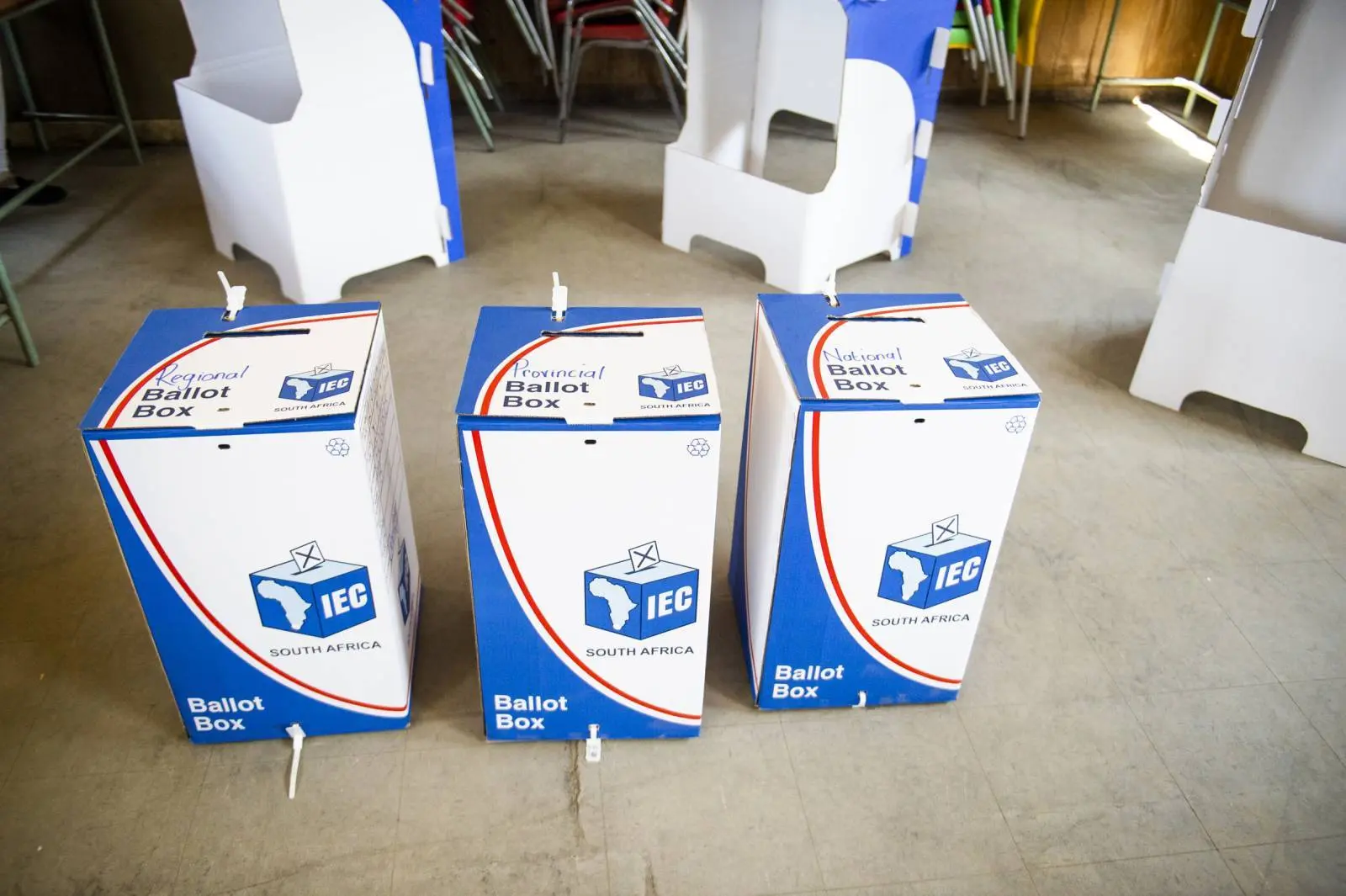
These are not merely logistical concerns. They affect whether people can exercise their democratic rights with dignity and without unnecessary obstacles.
There is another group whose work is less visible to voters but equally important. Election observers monitor proceedings and raise concerns about possible irregularities. Unlike political party agents, they are not there to represent a party or campaign for a candidate. Their role is to observe the process.
Junior Dala, who was deployed as an election observer on behalf of the Ahmed Kathrada Foundation, said his previous experience as a political party agent had given him a different understanding of election work. He described observing as a more relaxed role, with the focus on monitoring rather than representing a political interest.
At the voting station where he was deployed, he said accessibility was a concern. Several voters with disabilities struggled to enter the venue because it was not wheelchair-friendly and had stairs. In some instances, IEC officials had to go outside to assist voters waiting in their vehicles.
Dala also described a delayed opening and confusion when officials divided queues alphabetically. Some voters became frustrated after being directed to different lines despite having arrived earlier. The situation became more complicated when one of the systems used to manage voters failed to capture some details. According to Dala, officials recorded those details manually before entering them into the system once it was working.
His account offers a glimpse into how the organisation of a voting station can affect the people who arrive there. While these were challenges at the station where he was observing, they raise broader questions about how venues are prepared, how administrative difficulties are handled and how voters are assisted when the process does not go as expected.
The work behind an election is therefore not only about following procedures. It is also about responding to people. A queue worker may have to explain the same process repeatedly, an official may need to assist someone who is struggling to access a venue and an observer may have to raise concerns without interfering with the work of election officials.
Each interaction contributes to the experience voters take away from election day. And each vote counted contributes to the success of the election day.
For Dala, however, the significance of voting goes beyond the administration of the process. He believes participation gives people an opportunity to influence decisions that affect their everyday lives, including roads, water and electricity.
He compared voting to getting into an Uber and telling the driver where you want to go. “How do you expect someone to drive you to a destination and you are not telling them where you’re going?” he asked. “Participating in democracy for me is like telling the driver where I want to be and trusting them to take me there.”

He was also moved by older people who came to vote despite physical difficulties. “I was really touched by elderly people who came out with pains in their body, with ailments, with disabilities, but they made sure that they came and voted,” he said.
He hoped to see more young people participating, arguing that voter education should focus not only on political parties but also on the importance of exercising one’s democratic rights. “I really hope to see more young people come out to vote,” he said.
His comments point to a question that extends beyond the work happening inside voting stations. An election requires people to show up but participation also depends on whether voters understand the process and believe their choices can make a difference in their communities.
The people working behind the scenes cannot determine which party wins or guarantee that elected representatives will deliver on their promises. Their responsibility is to help ensure that voters can participate in a process that is organised, transparent and accessible.
When the political contest is over and the results are announced, much of this work will disappear from public attention. But the queues managed, the questions answered, the details checked and the procedures followed are all part of what makes an election possible.
Democracy is often discussed in terms of who wins and who loses. It is also worth looking at the people whose work enables the country to reach that point.