


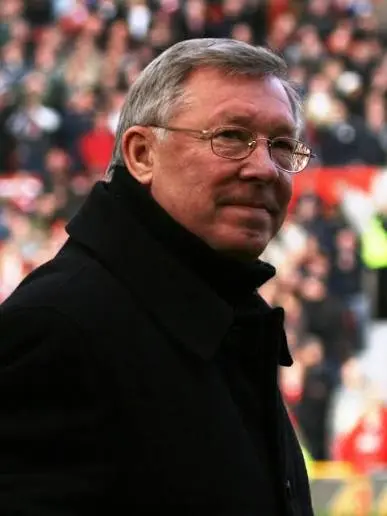
Manchester United have been trapped in a cycle of short-term appointments, high expectations and recurring disappointment since Sir Alex Ferguson retired in May 2013 after 1,500 matches, a 59.7% win rate and 38 trophies.
The revolving door has spun faster and faster in recent years, but the pattern stretches back more than a decade. Here is a full rundown of the permanent managers and notable interim managers who followed Ferguson, with their records and outcomes.
David Moyes (July 2013 – April 2014)
51 matches: 27 wins, 9 draws, 15 losses (52.9% win rate).
Trophy: Community Shield.
The hand-picked successor lasted less than a season. United finished seventh, their lowest Premier League placing at the time and Moyes was sacked after a difficult campaign that exposed the size of the job. The appointment itself was flawed from the start. Ferguson’s endorsement carried heavy weight, yet the club lacked a coherent succession plan or football structure to support the transition.
Ryan Giggs (caretaker, April–May 2014)
4 matches: 2 wins, 1 draw, 1 loss (50%).
A brief caretaker spell at the end of the season that offered little more than a holding pattern.
Louis van Gaal (July 2014 – May 2016)
103 matches: 54 wins, 25 draws, 24 losses (52.4%).
Trophy: FA Cup (2016).
The Dutchman stabilised the side and delivered a major trophy, but a possession-heavy style drew criticism and Champions League qualification was inconsistent. He was dismissed two days after winning the FA Cup, a decision that underlined the club’s impatience and willingness to discard managers even after tangible success.
José “The Special One” Mourinho (May 2016 – December 2018)
144 matches: 84 wins, 32 draws, 28 losses (58.3% – the highest win rate of any permanent post-Ferguson manager).
Trophies: Community Shield, League Cup and Europa League (all 2016/17).
Mourinho restored silverware and competitiveness, finishing second in the league in 2017/18. Relations deteriorated amid public criticism of the board, recruitment and players. Results slipped in his third season and he was sacked mid-campaign. His tenure remains the most successful by winning percentage and major trophies, yet even he could not escape the club’s structural weaknesses.
Ole Gunnar Solskjær (December 2018 – November 2021)
168 matches: 91 wins, 37 draws, 40 losses (approximately 54.2%).
Trophies: none.
The club legend arrived as interim and was made permanent after a strong run that restored positivity and belief. He reached the Europa League final but never won a trophy. A heavy defeat at Watford and a collapse in form led to his dismissal. Solskjær’s long tenure highlighted both the emotional pull of club figures and the limits of sentiment when results dry up.
Michael Carrick (first caretaker spell, November–December 2021)
3 matches: 2 wins, 1 draw (66.7%).
Short caretaker stint after Solskjær.
Ralf Rangnick (interim, December 2021 – May 2022)
29 matches: 11 wins, 10 draws, 8 losses (approximately 37.9%).
The “interim” experiment produced little on-pitch success and highlighted deeper structural problems. Rangnick’s public comments about the squad and club culture only added to the sense of drift.
Erik ten Hag (May 2022 – October 2024)
128 matches: roughly 70 wins, 23 draws, 35 losses (around 54.7%).
Trophies: League Cup (2023) and FA Cup (2024).
Ten Hag ended the major-trophy drought and delivered a third-place finish in his first season. Form collapsed in his second full campaign (eighth place) and a poor start to 2024/25 led to his dismissal. His time showed that trophies alone are no longer enough to guarantee longevity at Old Trafford.
Ruud van Nistelrooy (caretaker, late October–early November 2024)
4 matches: 3 wins, 1 draw (75%).
A short, successful caretaker spell that briefly raised hopes among fans before the next permanent appointment.
Rúben Amorim (November 2024 – January 2026)
63 matches: 24 wins, 18 draws, 21 losses (38.1% – the lowest of any permanent post-Ferguson manager).
Trophies: none.
Amorim’s rigid 3-4-3 system never fully clicked with the squad. United finished 15th in 2024/25 (their worst Premier League season) and lost the Europa League final. He was sacked after 14 months amid growing friction with the hierarchy over authority and recruitment. His tenure became a case study in the dangers of imposing a non-negotiable tactical identity without the supporting structure or time to adapt the squad.
Darren Fletcher (brief interim, January 2026)
2 matches: 0 wins.
Very short caretaker role that bridged the gap to the next permanent appointment.
Michael Carrick (second spell, January–November 2026)
Approximately 32 matches across interim and permanent periods: around 15 wins, 8 draws, 9 losses overall (roughly 47%). A strong end to 2025/26 (third place and Champions League qualification) earned him the permanent job in May; a disastrous start to 2026/27 (relegation-zone form and an eight-game winless run) led to his sacking on 12 November 2026. The contrast between the rescue act and the subsequent collapse was particularly stark and illustrated how quickly goodwill can evaporate at Old Trafford.
The deeper problems are transparent. Across more than a decade the common themes are clear. Recruitment has been expensive yet frequently mismatched to successive managers’ styles. A proper director-of-football role arrived late and has not delivered consistent long-term planning. Ownership under the Glazers, later complicated by Sir Jim Ratcliffe’s INEOS influence, has prioritised commercial growth while sporting results stagnated. Sky-high expectations collide with a squad and culture that have rarely been aligned behind a single vision. The financial cost of the carousel, with compensation payments running into tens of millions, has been significant yet the club has continued to reset rather than reform. Fan frustration has grown with every cycle, and the sense that United have become an “unmanageable club” is no longer confined to external critics.
Will Mauricio Pochettino last, or will the door keep spinning?
As Carrick departed, Manchester United reached a verbal agreement with Mauricio Pochettino, the USMNT coach and former Tottenham, Chelsea and Southampton manager. A release clause of around $10 million is involved. Pochettino brings Premier League experience, a track record of improving teams and previous near-misses with the United job. He has long been admired by some within the club for his ability to build progressive, high-pressing sides.
History offers little encouragement. Every permanent manager since Ferguson has eventually been chewed up by the same combination of structural shortcomings, impatient expectations and mismatched resources. Even the more successful tenures ended in frustration rather than lasting progress. Unless the club finally delivers coherent recruitment, a clear long-term identity and genuine patience, Pochettino risks becoming the latest name on a long and growing list. The revolving door at Old Trafford shows no sign of stopping of its own accord. The next appointment will once again test whether United are ready to break the cycle — or simply prepare the next chapter in the same story.