

For a student who is the first in their family to attend university, an acceptance letter can carry a family’s hopes for greater opportunity, financial security and a different future. But admission alone cannot fulfil that promise. The teaching students encounter, the support available and their ability to participate all shape what follows.
This gap between entering higher education and thriving within it is central to Emeris’ Third International Conference on Teaching and Learning, taking place at Emeris Sandton campus in Johannesburg, under the theme Equity in Education.

Academics, researchers and education leaders will exchange ideas and explore practical ways to make academic success more equitable and inclusive. Internationally recognised speakers Dr Cristi Ford, Professor Crain Soudien and Mychelle Pride will offer perspectives on digital learning, South Africa’s higher education landscape, and technology’s role in advancing equity.
Dr Ford, Chief Learning Officer at D2L, holds a PhD in Educational Leadership from the University of Missouri, Columbia, and specialises in digital learning and educational innovation. Professor Soudien, Professor Emeritus at the University of Cape Town, brings decades of education research and academic leadership experience. Pride, Director of Artificial Intelligence (Academic) at Arden University, works at the intersection of artificial intelligence, education and equity.
Beyond the keynote presentations, the conference will include a student research symposium and opportunities to explore emerging research and innovative approaches to teaching and learning. Discussions will explore how institutions can move beyond enrolment figures and create learning environments in which students from diverse backgrounds can participate, progress and fulfil their potential.
In South Africa, where inequality continues to shape educational and economic opportunities, meaningful access extends beyond admission or enrolment. Affordability, digital connectivity, academic support, career guidance and exposure to industry all influence students’ ability to progress through their studies and prepare for life beyond graduation.
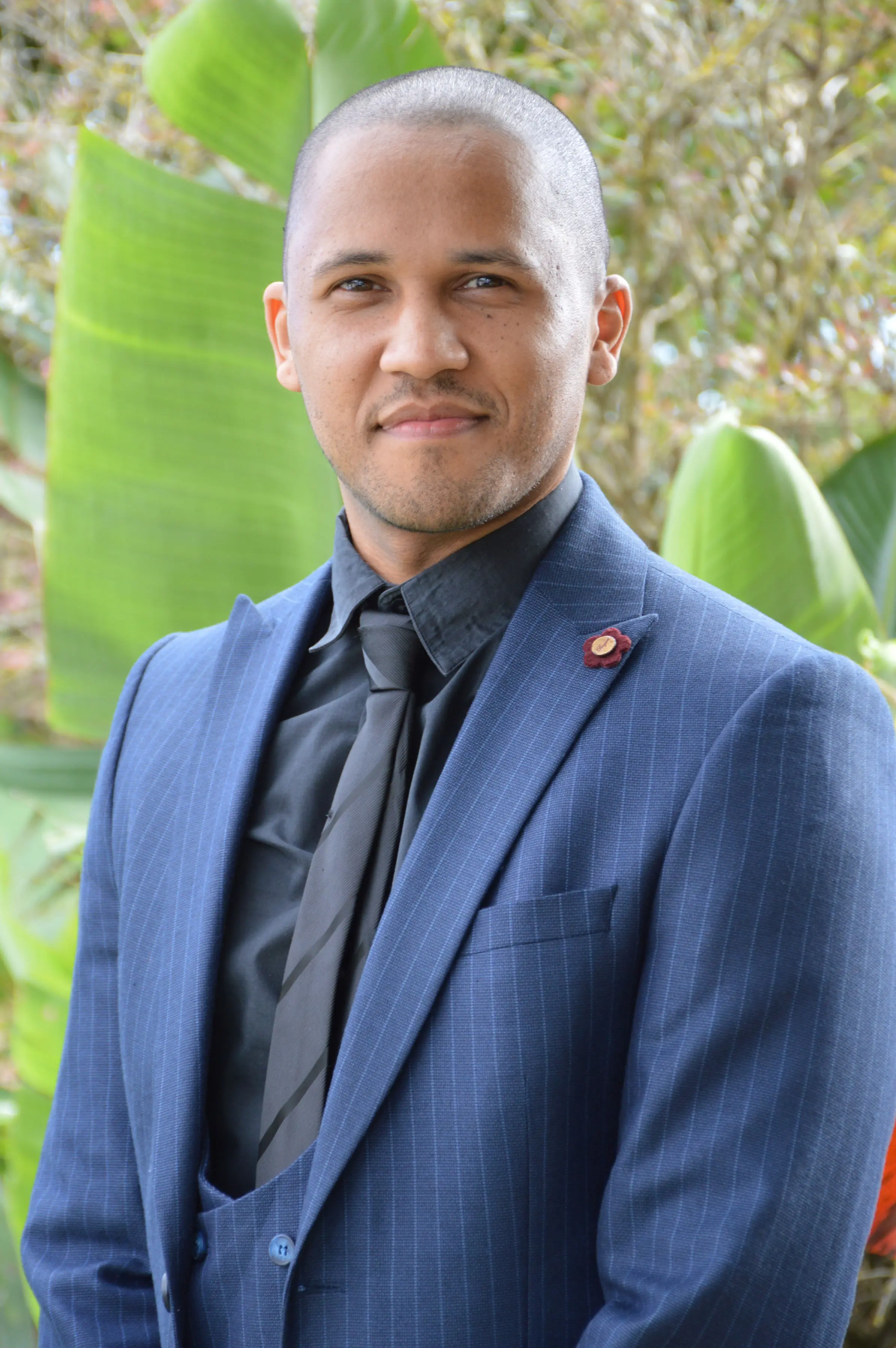
“Access, important as it is, cannot be mistaken for transformation,” says Dr Abrahams. “Opening the university door is only the beginning. The more challenging question is what happens once students are inside.”
Looking beyond enrolment numbers in South Africa
Institutions are expected to expand opportunity in a society where race, gender, class and geography continue to shape people’s lives. However, students bring different languages, cultural perspectives and educational histories into the lecture room. Teaching that overlooks these differences risks leaving barriers intact.
Private higher education’s responsibility
Private higher education institutions help meet demand that public provision alone cannot absorb. Dr Abrahams argues that their contribution should extend to reimagining learning.
Different institutional histories and structures can create room to question inherited approaches, experiment with teaching and connect learning to students’ and society’s needs.
“Transformation does not happen by accident,” he says. “It requires an institution to set out intentionally to create the conditions for individual and collective transformation.”
This means bringing academics, researchers, students and engagement practitioners into closer collaboration, creating environments where dialogue and participation influence how knowledge is explored and applied.
Learning that students help shape
For students, this approach creates opportunities to test ideas, challenge assumptions and tackle problems without immediately clear answers.
It makes room for disagreement, unfamiliar perspectives and reflection on the consequences of decisions. Students become active contributors, developing the judgement needed to engage with the world beyond their studies.
“If we are serious about transforming higher education, we must create institutions where students actively experience, question, shape and apply their education,” says Dr Abrahams.
Bringing equity into the conversation
Transformation is not a destination reached through a single policy, curriculum review or demographic shift. It is an ongoing institutional project.
For Dr Abrahams, equity and transformation are closely connected as he says, “Rather than assuming that every student needs the same thing, equity asks what enables different students to thrive and what barriers may stand in their way.”
This question must remain central if the promise of an acceptance letter is to become a meaningful opportunity.
Education professionals, industry representatives, employers and other stakeholders are encouraged to engage with the conversation at the Emeris Third International Conference on Teaching and Learning.
Register before 21 October 2026 at conferences.iie.ac.za. In person and online options available.