

World Bank
latest news & developments
Africa has a gift the world still needs
The demographic case is equally striking. More than 60% of Africans are under 25. By 2050, one in three people aged 15 to 24 anywhere on Earth will be African. A continent this…
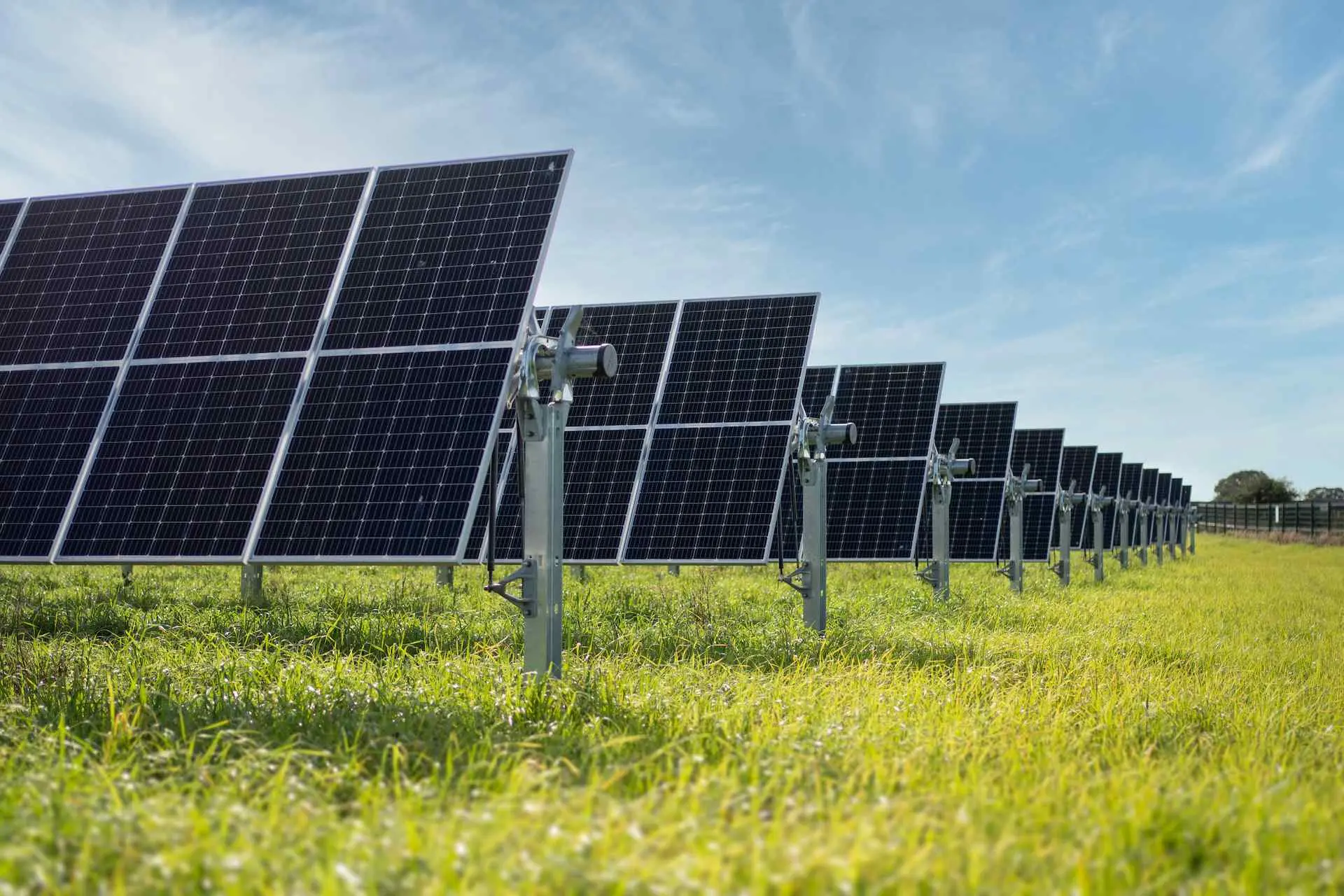
Solar powers Malawi’s mobile money boom but leaves the poorest behind
New research links rural solar adoption to mobile money use, while raising concerns about inequality

Fiscal crisis tests Malawi’s reform agenda
The country’s debt-heavy budget leaves Peter Mutharika, beginning his second term after winning the September 2025 election, reliant on World Bank-backed reforms to restore…

Immigration debate is misdirected, savage
It is also true that undocumented migration can create space for criminal activity. But we have to be honest: immigrants are not the main drivers of crime in this country. Data…

Malawi’s solar push bypasses its poorest
A peer-reviewed study finds wealth inequality is locking the poorest households out of solar electrification

Spekboom restoration at centre of $120m World Bank climate bond
The World Bank has priced a $120m spekboom restoration bond in South Africa’s Eastern Cape, linking investor returns to ecosystem recovery

Malawi faces “ticking time bomb” as witchcraft killings and impunity rise
Rising witchcraft accusations in Malawi are fuelling deadly attacks on elderly people, exposing gaps in justice, social protection and governance

Africa’s voice and power must be underpinned by dignity
For many African public intellectuals such as Steve Biko, Leopold Senghor, Kenneth Kaunda, Julius Nyerere and Kwame Nkrumah, political independence represented more than the…

Malawi’s aid vacuum draws new actors
As Western donors pull back and food insecurity deepens in the landlocked south-eastern African nation, the rise of a UK-registered Islamic charity is exposing both the necessity…

IFC’s new gas projects will destroy Africa
This is a familiar pattern. International financial institutions socialise risk and privatise profit, while invoking development rhetoric to justify fossil fuel expansion in the…

A glance beyond the 6 July presser
The public confrontation between senior officials, the establishment of inquiries and the intense public debate surrounding the allegations all indicate that accountability…

Balance sheets build climate-resilient cities
Public budgets are unlikely to expand at the pace required to meet the escalating risks. A larger share of long-term capital will therefore need to come from private sources

“Inactive” youth, Sona’s panacea of digital skills and missed creative opportunities
If a commitment to youth-led initiative is to be taken seriously, it is imperative to include youth in decision making on where to direct investment, how to design curricula for…

Southern and East Africa plug into shared power future
Zambia and Zimbabwe have each committed US$220 million to restarting the long-delayed $4.2 billion Batoka Gorge Hydropower Station near Victoria Falls

Elites indulge as Malawians suffer
If the country is to move beyond crisis management, austerity must apply to all