Mail & Guardian
Mail & Guardian
pesticideslatest news & developments

Pesticides found in our every day foods

Independent testing by the African Centre for Biodiversity (ACB) found pesticide residues in 86% of commonly consumed foods in South Africa, including those for infants. The…

In circulation: Highly hazardous pesticides, including Terbufos, flood informal markets where they are sold
illegally as cheap, effective pest control. Picture: File

SA moves to ban deadly pesticide

Given the rate of deaths in 2023 and 2024, averaging one every second day, a delay of six months or more could mean up to another 100 deaths

Food poisoning results in illness and, in some cases, death. Among the causes is the underground economy of fake goods. Photo: File

Food poisoning: How an organisation is stepping In to protect people

Twenty-three children have died and nearly 900 people have fallen ill from food poisoning but the Bakery & Food Technology Incubator is fighting back by testing food and…

Accidental deaths: Products readily available in local shops are bought to deal with problems such as rats. (Delwyn Verasamy/M&G)

Deadline to register spaza shops is 17 December

Businesses that miss the registration window will be closed down

Bill Gates with farmer Mary in Kenya. (Photo by Gates Notes)

Bill Gates plays God in Africa’s agriculture and gets it wrong

Agra’s drive for a ‘green revolution’ has reduced crop diversity, created a dependency on commercial seeds and fertiliser and increased vulnerability to drought

Eskom and Sasol, which are considered two of the country’s biggest polluters, have been granted postponements, suspensions and/or alternative limits of the minimum emissions standards since 2015. (Waldo Swiegers/Bloomberg via Getty Images)

UN special rapporteur: Toxic pollution in SA fuelled by corporate greed and government inaction 

Marcos Orellana noted the poor disposal of waste and hazardous substances, the wide use of pesticides and weak enforcement of regulations

Draft regulations for hazardous chemical agents issued by the government affect the fundamental rights of farmworkers and other farm dwellers, who are routinely exposed to high levels of toxic pesticides, particularly on wine and fruit farms.  (Waldo Swiegers/Bloomberg via Getty Images)

Draft regulations on hazardous chemical agents leave farmworkers at risk

South Africa must exit pesticide treadmill, civil society groups say This content is restricted to registered users and subscribers. Get Your Free Account The Mail & Guardian is…

Draft regulations for hazardous chemical agents issued by the government affect the fundamental rights of farmworkers and other farm dwellers, who are routinely exposed to high levels of toxic pesticides, particularly on wine and fruit farms.  (Waldo Swiegers/Bloomberg via Getty Images)

Highly hazardous pesticides pose risks to South Africans, says environment department official

Toxins are found in water and the soil and these harm human health and the environment

File photo

Ban hazardous pesticides now, SA told

Chemicals banned in Europe are exported and used in South Africa

Draft regulations for hazardous chemical agents issued by the government affect the fundamental rights of farmworkers and other farm dwellers, who are routinely exposed to high levels of toxic pesticides, particularly on wine and fruit farms.  (Waldo Swiegers/Bloomberg via Getty Images)

Pesticides: Deadly for Europeans, but okay for Africans to use

European state banks are happy to finance projects using pesticides deemed too dangerous for people in their own countries. One of these is in Ghana

The Klipspruit river polluted by sewage and mine waste in Soweto. (File photo by Delwyn Verasamy)

Water, air and soil pollution is spawning deadly superbugs

Environmental waste, especially pharmaceuticals and toxins, needs high-level action to stop its major contribution to antimicrobial resistance

South Africa has ‘no real gumption’ when it comes to making tough decisions to protect the environment

Environment department slammed for suspending regulations on trade in hazardous chemicals

South Africa has ‘no real gumption’ when it comes to making tough decisions to protect the environment, says UCT academic

A private security employee watches as a factory burns in Durban’s Sea Cow Lake area on 12 July. (Photo by Darren Stewart/Gallo Images via Getty Images)

United Phosphorus Ltd cleans up spill after chemical blaze in Durban

Scientists have been sent to handle the fallout from the warehouse fire, which stored about 1 600 hazardous materials that can contaminate the air, sea and rivers

ocial media users took to Twitter to complain about the foul smell in the air, which was dense with smoke in Umhlanga. (Photo by RAJESH JANTILAL/AFP via Getty Images)

Cornubia: Authorities to investigate UPL after chemical blaze

Agrochemical giant UPL said chemical runoff was being contained and efforts were underway to deal with groundwater poisoning

(John McCann/M&G)

EU-banned pesticides are harming farmworkers in SA

The department does not even have a list of registered pesticides, a damning report finds

(John McCann/M&G)

Pesticide lobby in sly bid to self-licence

NGOs warn that letting a lobbyist for pesticide firms regulate the scientists who conduct safety tests is putting a ‘fox in charge of the henhouse’

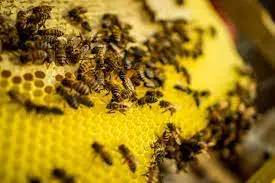
Wild bee populations, which are essential for crop pollination, are being decimated by the indiscriminate use of neonicotinoid pesticides, which are banned in Europe. (Reuters/ Adrees Latif)

Africa must act on pesticide ‘double standards’

Humanity has long recognised the essential role of pollinating bees and insects in sustaining life and health, so much so that generations of parents have used the phrase “the…

HRW documents the shocking conditions on tobacco farms in the US

Child workers in danger on US tobacco farms

HRW documents the shocking conditions on tobacco farms in the US, where child workers are exposed to nicotine, toxic pesticides and other dangers.

An investigation found that Argentinian farmers now use more than twice as much pesticide per acre as US farmers do, making Argentina a laboratory for what can go wrong with biotech farming. (AFP)

Argentina: A laboratory for what can go wrong with biotech farming

As harvests grow in Argentina, doctors and scientist worry pesticides may be the cause of rising cancer rates, birth defects and other health issues.

Colombia became the last country in the world to outlaw aerial spraying of glyphosate in 2015.

Poison pill in India’s search for cheap food

India continues to use toxic pesticides that other nations are banning on health grounds.