

South Africa does not come to the HIV response as a country that needs to be told what works.
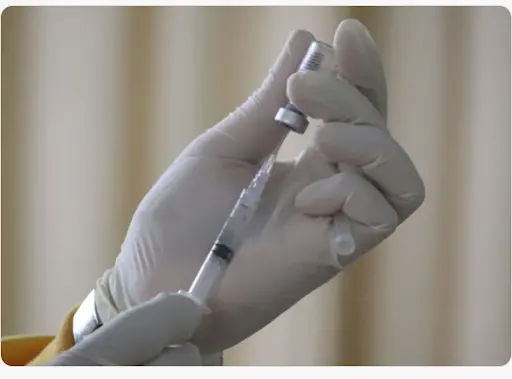
We have the largest antiretroviral treatment programme in the world. We have rolled out lenacapavir — a twice-yearly injectable that offers near-complete protection against HIV — and we are actively pursuing its domestic manufacture so that our supply is never again held hostage to the foreign policy decisions of another country.
We have built, over two decades, a network of community health workers, peer educators and civil society organisations that has reached into every province, every township and every rural district. We have done this in the face of historical denialism, in the face of underfunding and in the face of a global aid system that has never been as reliable as the epidemic has been persistent.
We have done the work. So have countries that have achieved the 95-95-95 targets. So have the community organisations across the continent that kept their doors open without pay when donor funding collapsed in 2025. So have the scientists in our laboratories who have contributed to every HIV prevention breakthrough of the past two decades.
What we have not had — and what the world must now provide — is the sustained and predictable resourcing that matches the scale of what has been built.
The High-Level Meeting on HIV/Aids takes place today and a new Political Declaration will be signed. South Africa’s position on what that declaration must deliver has been consistent.
Domestic financing must increase — and not just in South Africa. Every African government must move towards owning its HIV response fully, not as a matter of pride but as a matter of survival. The events of 2025 demonstrated with brutal clarity what happens when the response depends on the goodwill of a single donor. That cannot happen again. South Africa is committed to embedding the HIV response in our national health insurance (NHI) framework, making it a permanent feature of our public health architecture rather than a programme that can be switched off.
Community-led organisations must be funded directly and durably. The women who run support groups in Soweto and Khayelitsha, the peer educators in Maseru and the youth activists who have given the series its most powerful voice are not the periphery of the HIV response. They are its centre. A Political Declaration that does not translate into multiyear, direct funding for community organisations will be judged harshly by the people who need it most.
And the rights of every person living with or at risk of HIV must be protected without exception. South Africa has never criminalised same-sex relationships. We will not. We call on every country that does to recognise what the evidence makes unmistakably clear: you cannot end an epidemic while making it dangerous for the most vulnerable people to seek care.
I began this response by saying that South Africa does not need to be told what works. But I want to end by saying something else. We also cannot do this alone. No country can. The HIV pandemic was defeated — partially, imperfectly but genuinely — by an act of global solidarity that this generation of leaders inherited and must now choose to sustain.
The child who will be born HIV-free tomorrow because a mother had access to prevention of mother-to-child transmission services, the young woman who will not be infected next year because she had access to lenacapavir and the man who will live a full life because he started treatment early — none of them will know the names of the people who made the decisions in New York this week. But they will live the consequences.
That is what is at stake. That is what we have come to New York to protect.
Dr Aaron Motsoaledi is the minister of health of the Republic of South Africa.
This is the fifth and final part of a five-part series on the High-Level Meeting on HIV (HLM)