Mail & Guardian
Mail & Guardian
hiv aidslatest news & developments
Against the odds: South Africa’s democracy has matured in visible and subtle ways, the Constitution enshrined gender equality,  expanded access to education, healthcare and economic opportunities.  Photo: ConCourt

Three  decades on: Assessing South Africa’s Progress since 1994

The democratic breakthrough of 1994 stands as one of the most significant political achievements of the modern era. Against the odds, South Africa chose negotiation over civil…

What’s the best way to spend the HIV prevention budget so that the country can drive infections down as fast as possible? We take a look at what modelling data shows. (Pexels, kaboompics)

180 000 infections in 2024, 47 000 by 2045 — if SA rolls out the twice-a-year HIV prevention jab fast enough

The HIV prevention shot, lenacapavir, will be rolled out at South African clinics within the next couple of months and from 2027, the health department will also buy generics.…

Aloof: Finance Minister Enoch Godongwana criticised for trivialising grievances of the people. Photo: GCIS

Budget 2026: Between reform and reality

South Africa has been given a narrow window to turn the ship around. Whether this Budget becomes a footnote or a foundation depends on what happens next — in Cabinet, in the…

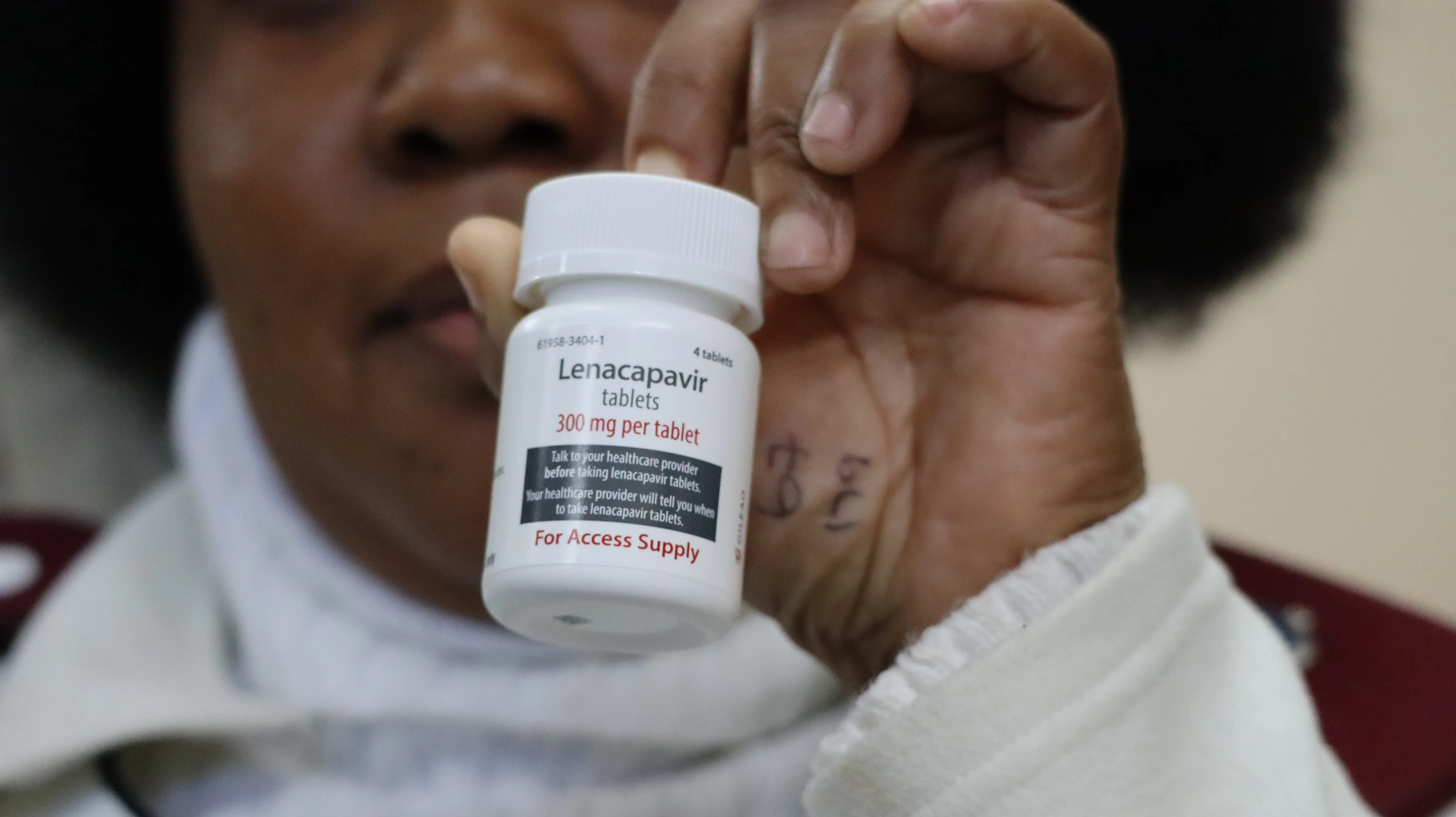
South Africa’s first consignment of lenacapavir (LEN), the twice-yearly anti-HIV injection, arrived at OR Tambo International Airport last week. Photo: Mufid Majnun/Unsplash

SA’s first batch of LEN jabs will arrive in February. Use Bhekisisa’s dashboard to find out who should get them

Who should get what slice of the pie once the medicine is available in public clinics? And are numbers alone what would drive decisions?

To end Aids by 2043, the South African government says it could get a group of local pharmaceutical companies to make generic shots of lenacapavir from 2027 onwards. There is, however, a hitch. None of the companies that will be involved have a licence to make the jab. (Julia Koblitz/ Unsplash)

SA wants to make its own six-monthly HIV prevention jabs by 2027. But there’s a hitch

None of the companies that will be involved have a licence from the inventor of Lenacapavir, Gilead Sciences, to make the jab

Four toilets, built in 2013 by the organisation Candice Andisiwe Sehoma founded, are still flushing, although floods of raw sewage flow daily through the streets of Alexandra. (Sean Christie)

Building toilets, fighting TB: Candice Andisiwe Sehoma’s life of activism

From discontinued insulin pens to overpriced TB drugs, meet the young South African holding drug makers to account on behalf of patients

One in 10 clinics in South Africa will start to hand out a twice-a-year anti-HIV jab as early as February. The country’s medicines regulator, Sahpra, says it’s on track to announce its registration decision within the next few days, by the end of October. So who should get LEN first? (Anna-Maria van Niekerk)

The six-monthly anti-HIV jab could be in 360 clinics by February. Who should get the first doses?

The country’s medicines regulator Sahpra says it’s on track to announce its registration decision by the end of October

The Botswana Network on Ethics, Law and HIV/Aids says the crisis is not an isolated supply-chain issue but a ‘systemic failure’ that demands urgent government intervention

Botswana faces new HIV scare as shortage of medicines deepens

The Botswana Network on Ethics, Law and HIV/Aids says the crisis is not an isolated supply-chain issue but a ‘systemic failure’ that demands urgent government intervention

According to a survey, 85% of managers reported that their clinics faced staffing shortages, though only one in five blamed these on the US President’s Emergency Plan For Aids Relief cuts

Clinics short-staffed after Pepfar funding cuts

According to a survey, 85% of managers reported that their clinics faced staffing shortages, though only one in five blamed these on the US President’s Emergency Plan For Aids…

Long shot?: In April next year, South Africa plans to start rolling out an anti-HIV jab, taken only twice a year, that could end Aids in the country within 14 to 18 years. But is our public health system equipped to keep track of millions, who are on the shot? (Unsplash)

The six-monthly anti-HIV jab is coming. But can SA keep track of millions of users?

The shot, called Lenacapavir, has a 100% success rate in preventing young women from getting HIV through sex

Two Indian generic drugmakers — Hetero and Dr Reddy’s — will be funded by the Gates Foundation and Unitaid, respectively, to produce and sell the twice-a-year anti-HIV shot around R692 per person per year. (Anna-Maria van Niekerk)

Two drugmakers will sell the 6-monthly anti-HIV jab for the price of the daily prevention pill

Hetero and Dr Reddy’s will be funded by the Gates Foundation and Unitaid to produce and sell the twice-a-year anti-HIV shot around R692 per person a year

Nompilo Mdluli — in brown jacket — and Simphiwe Matsebula — in black jersey are worried that the Pepfar pause on HIV services in eSwatini could negatively affect the lives of people living with HIV especially daily access to antiretroviral treatment which helps keep their virus under control.

People living with HIV in fear as impact of donor funding cuts begin to show in eSwatini

HIV prevention services have been heavily affected by the pause on the US President’s Emergency Plan for Aids in the country, with remote mobile clinics that served hard-to-reach…

The health department anticipates that it could start to use government money to buy cheaper generics of anti-HIV jab the lenacapvir by April 2027. (Unsplash)

SA plans anti-HIV jab roll-out at hundreds of clinics by April

The health department hopes to make the twice-a-year anti-HIV injection lenacapavir available soon and to be buying generics by 2027

ROOM WITH A VIEW: Ndiviwe Mphothulo at home in Glenvista, not far from where he grew up in Jabavu in Soweto. (Sean Christie)

At 16, he mediated a highjacking. Now he’s negotiating for the survival of HIV programmes

Ndiviwe Mphothulo, a medical doctor and president of the Southern African HIV Clinicians Society, is trying to make sure the Trump administration’s funding cuts don’t collapse…

How can data help the health department make the most of the R622 million extra it received for South Africa’s HIV treatment programme? (Flickr)

Most people on ARVs stay on them. Does our health system know that?

The health department has R622 million extra to prop up South Africa’s HIV treatment programme in the wake of foreign aid cuts, but it’s only about a fifth of the total gap

US President Donald Trump (Flickr)

Small win for activists, but SA’s HIV projects won’t reopen

The $400 million the United States congress removed from a list of funding programmes the Trump administration wants to cut doesn’t cancel the cuts to HIV and TB programmes made…

Sign outside the offices of an organisation in Mozambique that was defunded by USAid. Photos: Jesse Copelyn

Mozambican children die after US funding cuts: Who bears responsibility?

The least the Trump administration could have done was provide ample warning that it was going to cut aid

Research indicates the anti-HIV jab, lenacapavir, protects women completely and works almost as well for men, transgender and nonbinary people. Photo: Marko Milivojevic/Pixnio

SA gets R520 million to buy the twice-a-year anti-HIV jab – but there’s a snag

The country isn’t getting extra money from the Global Fund to Fight Aids, TB and Malaria; it has to use cash from a grant it has already been awarded and was cut by 16% in June

PRETTY FLY FOR A WHITE GUY: Francois Venter is a big rock climber who once drank tequila with the virologist rockstar Dexter Holland of The Offspring. He’s also one of the country’s leading HIV researchers. (Delywn Verasamy)

HIV research: Professor screw it, let’s do it

Francois Venter talks about his unorthodox inaugural lecture, his work during the Aids crisis and his shoot-from-the-hip fix of our healthcare system

Doctors will need to pay attention not only to a patient’s physical health but also the person’s emotional, social and psychospiritual aspects.

National Health Insurance system will mean little if we don’t offer the right kind of care

Although the NHI offers much-needed reform, it must find a new way to care for patients – an approach that treats people emotionally, physically, socially, psychologically and…