


When many South Africans hear discussions about reparations for slavery, the slave trade, colonialism and apartheid, they might wonder how the debates relate to their daily lives.
At a time when families are struggling with rising living costs and high unemployment, reparatory justice can seem like a distant conversation.
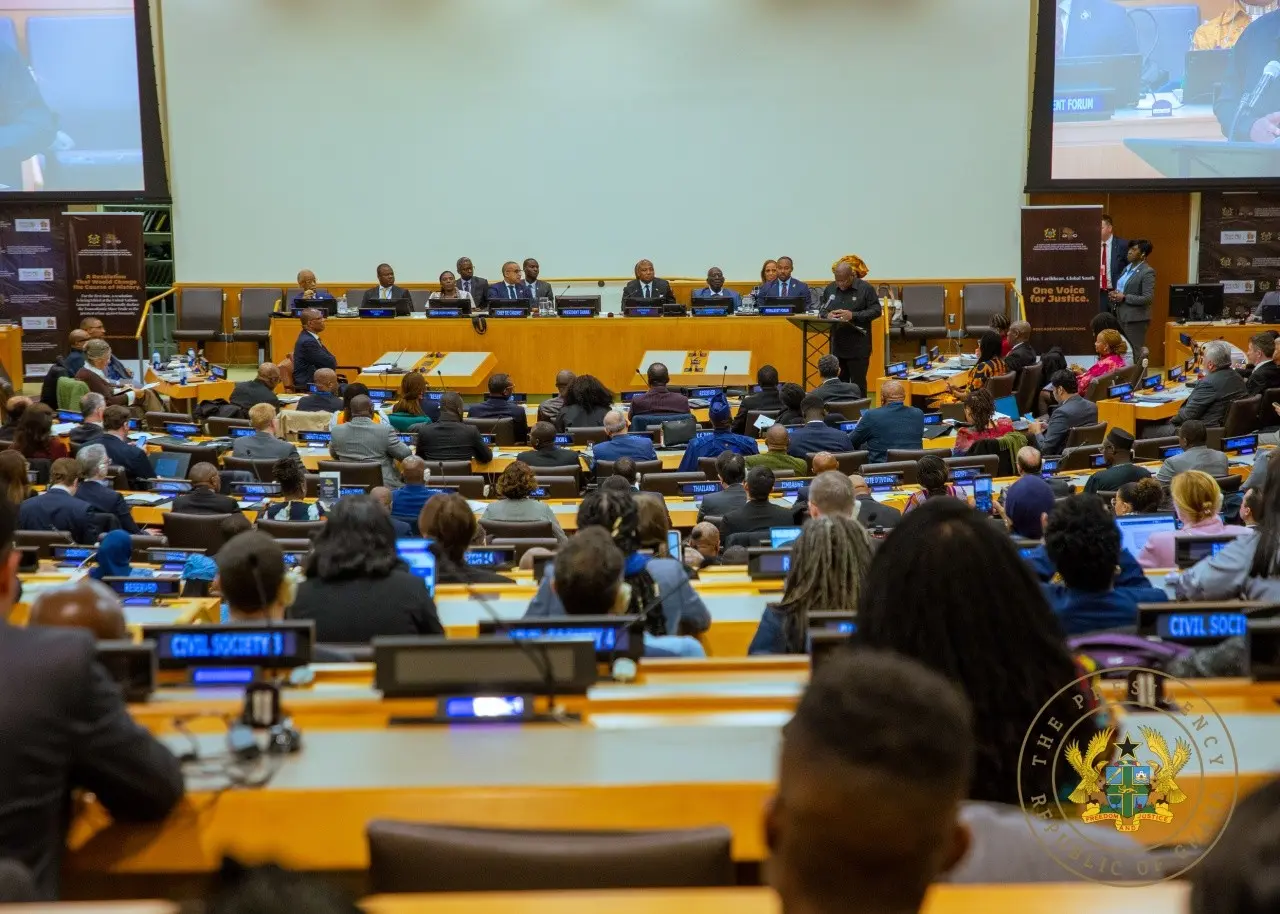
However, the outcomes of the recent High-Level Consultative Conference on the next steps after the landmark UN General Assembly resolution declaring the trafficking of enslaved Africans to be among the gravest crimes against humanity, held in Accra, Ghana, from 18 to 19 June 2026, are relevant to the lives and futures of South Africans.
The conference marked a historic turning point. African countries, representatives of the African diaspora and partners from around the world gathered to chart a way forward after the UN General Assembly passed a landmark resolution recognising the transatlantic slave trade and the enslavement of Africans as among the gravest crimes against humanity because of their scale, duration and enduring legacy of injustice.
For South Africans, the matters are important because history did not end with slavery, colonialism or apartheid. Africa and people of African descent globally continue to face systematic, racialised exclusion from global economic, financial and political institutions that were established while the continent was confronting decolonisation and the struggle to end apartheid.
The exclusions also exist in national contexts. The quest for reparations lies at the heart of dismantling long-standing barriers to the collective development of Africa and its descendants.
The reparations debate often boils down to questions of money. Yet this misses the essential point. The crimes of slavery, colonialism and apartheid caused damage that cannot be measured in monetary terms alone. No amount of money can match the horrors of slavery, the loss of millions of lives, the destruction of families and communities, the theft of land and resources or the erasure of cultures and identities.
The developmental opportunities denied to generations of Africans and people of African descent cannot be evaluated using a financial formula.
The real aim of reparatory justice is not to put a price on human suffering but to address the lasting impacts of the injustices and build a fairer future.
Reparatory justice includes acknowledgement, truth-telling, healing and reconciliation. It involves restoring dignity, returning stolen cultural heritage, strengthening institutions, expanding access to opportunities and reforming global systems that perpetuate inequality. It is about ensuring that the legacy of the past does not continue to shape the life chances of future generations.
This broader understanding guided discussions in Accra. The conference acknowledged that reparatory justice is not merely a historical or moral duty; it is also a vital instrument of development. It is about creating conditions that allow African countries and their citizens to reach their full potential and engage on an equal footing in the global economy and international system.
The economic and social inequalities that shape our society today stem from a long history of dispossession, exploitation, commodification of human beings and exclusion.
The reality is that many of our challenges — high poverty levels, unemployment, underdevelopment, inequality and limited access to economic opportunities — are rooted in historical systems that extracted wealth from Africa while restricting the continent's ability to develop on its own terms.
The conference recognised that reparatory justice is more than financial compensation. It involves creating fairer opportunities for development, correcting structural unfairness in the global system and ensuring that future generations inherit a more equitable world.
For South Africans, one of the most significant outcomes of the conference was the recognition that debt justice forms part of reparatory justice.
Many developing countries spend more on servicing debt than on infrastructure, education, healthcare and job creation. The conference called for reforming the global debt system, increasing access to affordable financing, restructuring debt when necessary and creating fairer international financial arrangements.
Why is this important?
When governments have greater fiscal space, they can invest more in schools, hospitals, roads, energy infrastructure and job creation programmes. Every rand saved through better financing can be redirected towards improving citizens' lives.
The conference also emphasised the need for climate justice.
South Africa is experiencing the impacts of climate change through droughts, floods and extreme weather events that disproportionately affect poor and vulnerable communities. Yet Africa contributes the least to global greenhouse gas emissions.
The conference therefore called for increased climate finance, technology transfer and support for climate adaptation. The measures could help South Africa strengthen disaster preparedness, protect livelihoods, build climate-resilient infrastructure and create opportunities in the green economy.
Another important outcome was the recognition of the need to reform global institutions.
For decades, African countries have argued that international institutions created after World War II no longer reflect contemporary realities. Decisions affecting billions of people are often taken without sufficient representation from Africa and the broader Global South.
The Accra conference reinforced calls to reform the UN Security Council, international financial institutions and global governance structures.
This might seem like a distant diplomatic issue but it has tangible effects. Fairer representation means African voices are better heard when decisions are made about development finance, debt, trade, climate change and global security — issues that directly affect the lives of South Africans.
The conference also advanced the cause of cultural restitution.
The return of stolen cultural artefacts and historical records is not merely symbolic. It is about restoring dignity, preserving identity and ensuring that future generations understand their history. Across Africa, countries are increasingly reclaiming cultural treasures taken during colonial rule.
For South Africans, whose history is shaped by struggles for dignity, equality and freedom, the process reinforces the importance of historical truth and reconciliation.
Importantly, the conference connected reparatory justice to economic transformation.
Discussions highlighted that justice must contribute to development. This includes promoting investment, technology transfer, skills development, innovation and stronger economic ties between Africa and its global diaspora.
South Africa stands to gain significantly from stronger economic, educational and cultural partnerships with people of African descent worldwide. Such relationships can unlock investment opportunities, create jobs and support entrepreneurship.
The outcomes of the conference align closely with South Africa's development priorities.
The National Development Plan envisages a country free from poverty and significantly more equal by 2030 and beyond. The African Union's Agenda 2063 similarly aims for a prosperous, integrated and peaceful continent led by its own citizens. Reparatory justice offers another pathway towards achieving the goals.
Perhaps the most important message from Accra is that reparatory justice is ultimately about the future.
It seeks to ensure that the burdens of history do not continue to determine the opportunities available to future generations. It focuses on creating conditions in which young people can access quality education, meaningful employment and economic opportunity, regardless of the circumstances into which they were born.
It seeks to build a world in which African countries participate as equal partners in shaping global solutions.
For South Africans, reparatory justice is not merely an abstract international idea. It is a development agenda, an economic agenda and a justice agenda.
Above all, it is an agenda aimed at ensuring that the promise of democracy, dignity and equality is fulfilled — not only in principle but also in the daily lives of every citizen.
The outcomes of the Accra conference remind us that confronting historical injustice and addressing contemporary inequality are not separate efforts. They are part of the same journey towards a more inclusive, prosperous and just future for South Africa, Africa and the world.
Maropene Ramokgopa is the minister in the Presidency for Planning, Monitoring and Evaluation.