

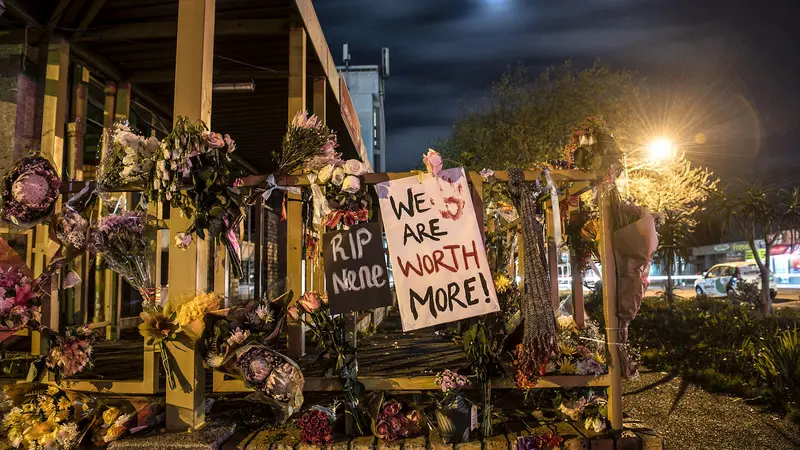
The recent discovery of six bodies (and counting) in Kempton Park and Kwa-Themba, including that of a missing runner, has sent ripples of fear and outrage throughout our society. Each life lost is not merely a statistic; it represents unfulfilled dreams and shattered families.
As a mother of a daughter and a son, I grapple with a conflicting reality. I worry daily about my daughter’s safety while bearing the profound responsibility of instilling values of respect and understanding of gender-based violence (GBV) in my son. The duality weighs heavily on my heart as I strive to teach him to be an ally in a world that often seems indifferent to the suffering of women.
The tragedy in Ekurhuleni serves as a stark reminder that GBV in South Africa is not a mere headline — it is a crisis demanding immediate action. Historically, GBV has been deeply rooted in our society, nurtured by centuries of patriarchal norms that have shaped attitudes towards women. From colonial times to the present, women have often found themselves marginalised, their voices silenced. As we confront this crisis, we must acknowledge the long shadow of history that looms over us, shaping the landscape of violence against women.
In South Africa, a woman is murdered every three hours. The grim statistic encapsulates the pervasive threat facing women across the nation.
In 2021, more than 50 000 cases of rape were reported, yet experts believe the true numbers are far higher, as many women remain silent out of fear of stigma and disbelief. The silence underscores a culture that prioritises the protection of perpetrators over the safety of victims.
The historical gender dynamics in our country cannot be overlooked. For generations, patriarchal norms have shaped our attitudes towards women, normalising violence and fostering an environment where victims feel unsupported. Many women hesitate to report GBV, fearing their experiences will be dismissed or trivialised. This culture of silence perpetuates the cycle of violence, allowing it to thrive unchecked.
While more women are willing to come forward, systemic failures within law enforcement present formidable barriers. Inadequacies in addressing GBV cases, particularly regarding DNA evidence processing and the speed of investigations, raise serious questions about police commitment. Delays in evidence collection and a lack of supportive resources for survivors often lead to case withdrawals, leaving victims feeling abandoned by a system designed to protect them.
Moreover, the capacity of our prisons and the entire criminal justice system is woefully inadequate to combat GBV. Overcrowded facilities and underfunded rehabilitation programmes fail to address the root causes of violence, leaving offenders without necessary interventions to prevent recidivism. Countries such as Rwanda and Sweden have taken a proactive stance against GBV, implementing specialised units in law enforcement to handle such cases sensitively, ensuring that victims receive immediate support.

To combat GBV effectively, we must challenge harmful stereotypes and rigid ideas about masculinity. Educational programmes should promote respect, consent and equality from an early age, both in schools and at home. Engaging men and boys as allies is crucial; they must hold one another accountable, interrupt sexist language and model non-violent behaviour. We must ask ourselves: “When will our fathers, uncles, brothers and sons stop?”
We must confront the uncomfortable reality that many of us live alongside the individuals. Shame on those who know a family member is an abuser or has committed murder yet choose to protect them by remaining silent. The complicity perpetuates the cycle of violence and suffering. By fostering a culture of respect and equality, we create a foundation for lasting change.
The family plays a crucial role as a social institution. Families must instil values of respect and actively discourage violent behaviour. In the past, communities had structures for managing behaviour and anger but these have faded. Parents, often preoccupied with work or social media, neglect meaningful engagement with their children. Assisting families in educating their members is essential for promoting violence-free societies.
Schools also play a pivotal role, yet the department of education often fails to prioritise gender equality in curricula. Publishers must mainstream gender equality in educational materials, ensuring that all learners have access to resources that promote respect for women. Ministers of basic and higher education must take decisive action to facilitate the change.
The media holds significant influence and must partner in educating society about GBV. It should avoid perpetuating stereotypes and actively promote narratives that challenge inequality. The private sector cannot remain silent either. Companies must recognise that their products, particularly weapons, contribute to violence and should be held accountable. They can implement educational programmes addressing domestic violence and its impact on productivity.
Community structures, including faith-based organisations and street committees, should incorporate GBV awareness into their programmes, supporting victims and holding perpetrators accountable. The organisations can foster peaceful communities and declare non-violence a community standard.
At the individual level, everyone must commit to respecting the rights of others and avoiding violent behaviour. Those struggling with anger management should seek professional help and support.
Civil society organisations are critical in the fight against GBV but must work in partnership with communities, the private sector and government. While the establishment of the National Council against Gender-Based Violence is commendable, it is crucial that this council adopts a national strategic plan that mobilises all South Africans towards a common goal. The plan must focus on immediate care for survivors while strengthening legal and judicial deterrents.

We must scrutinise the government’s commitment to this cause. Budgetary allocations for GBV interventions exist but effectiveness is often stifled by bureaucratic red tape. The current level of investment reflects the seriousness with which the government treats this crisis; however, policies must be accompanied by adequate funding and swift implementation. The time it takes to see real change is unacceptable; women cannot afford to wait for justice. The interventions should not be shackled by bureaucratic delays; this is not business as usual.
The need for community anger management programmes is also critical. Government departments responsible for social development and correctional services must collaborate to identify individuals struggling with anger issues and provide necessary therapy.
Finally, the criminal justice system must adopt a firmer stance against GBV. Arrest and prosecution policies should send a clear message that violence against women will not be tolerated. Many reported cases do not lead to prosecution and even fewer result in appropriate convictions. This highlights the need for a system that respects victims’ dignity and privacy while providing avenues for redress, including civil remedies.
Let me extend my heartfelt condolences to the families of the women lost in Kempton Park and to all women who have suffered from GBV. Their lives matter and we must work tirelessly to create a safer future for all.
The path forward requires a collective effort involving families, schools, media, the private sector, communities and government. Only through this multifaceted approach can we hope to eradicate gender-based violence and foster a society where all individuals thrive free from fear. Let these tragedies serve as a call for action. Together, let’s make a difference. Enough is enough!
Dr Ntombi Khumalo was a lecturer in somatology at the University of Johannesburg prior to her election as MMC: Group Corporate and Shared Services in the Joburg city council in 2016. She has been in the somatology industry for more than a decade, received a doctorate in health professions education, published research papers in peer-reviewed journals and presented at local and international conventions.