

Social Justice
latest news & developments
The killing of women is not a series of unconnected tragedies in South Africa
The viral confrontation in a Sandton restaurant powder room is not an isolated incident. Research reveals how deep-seated entitlement, misogyny, and systemic impunity underpin…

Sorry: The easiest word
An analysis of the viral Norwood confrontation, unpacking how anti-Muslim rhetoric and global impunity intersect to fuel uninhibited racism and ethno-supremacist bigotry in South…

The Quiet Majority for Human Rights
UN High Commissioner Volker Türk highlights the Global Alliance for Human Rights, a united global movement connecting cities, youth, and civil society to champion dignity,…
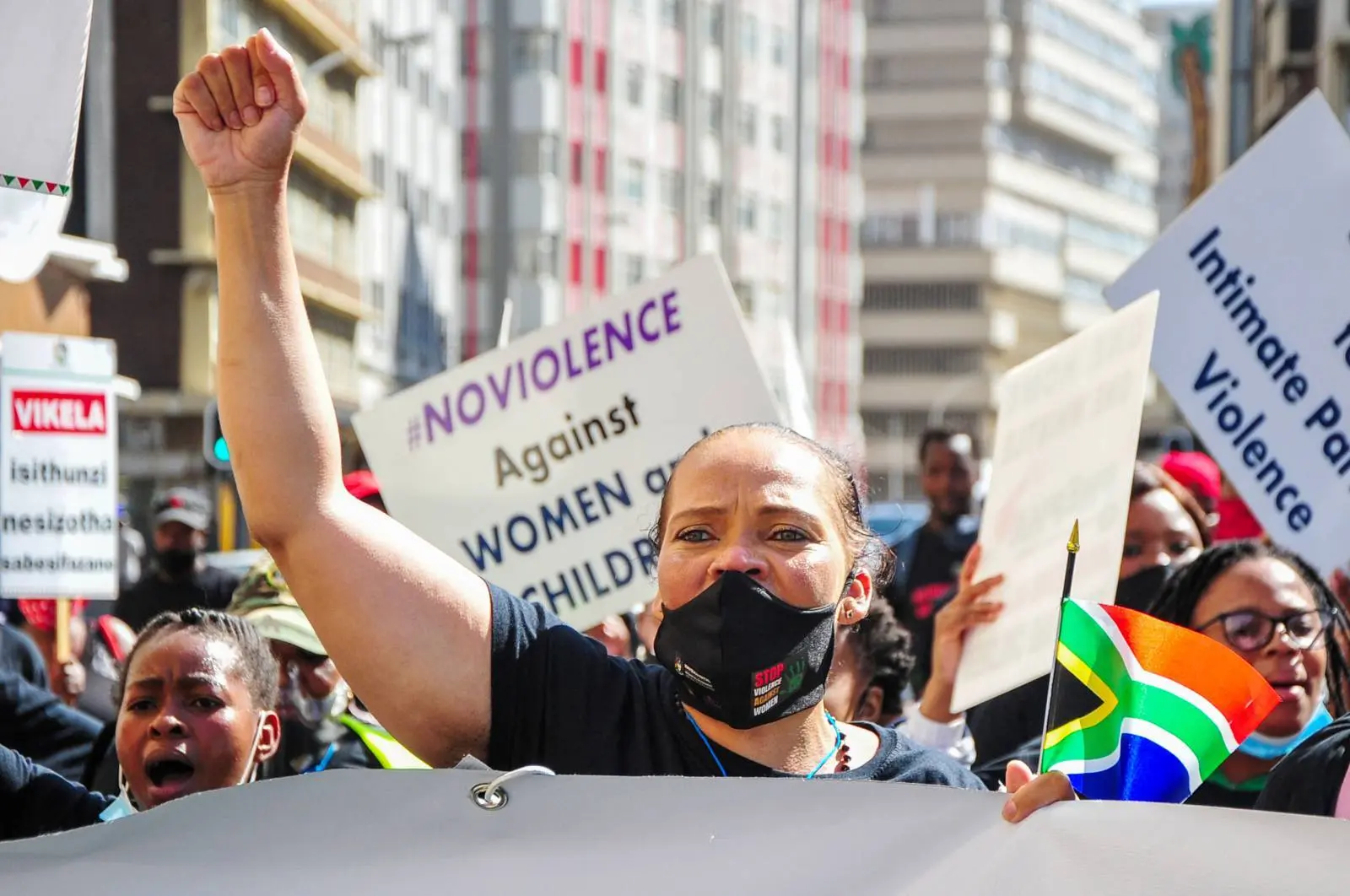
Nine dead women later and we’re still managing symptoms
Nine women have been found dead in Ekurhuleni, yet political responses remain trapped in task teams and summits. It is time to dismantle the deeper structural systems fuelling…
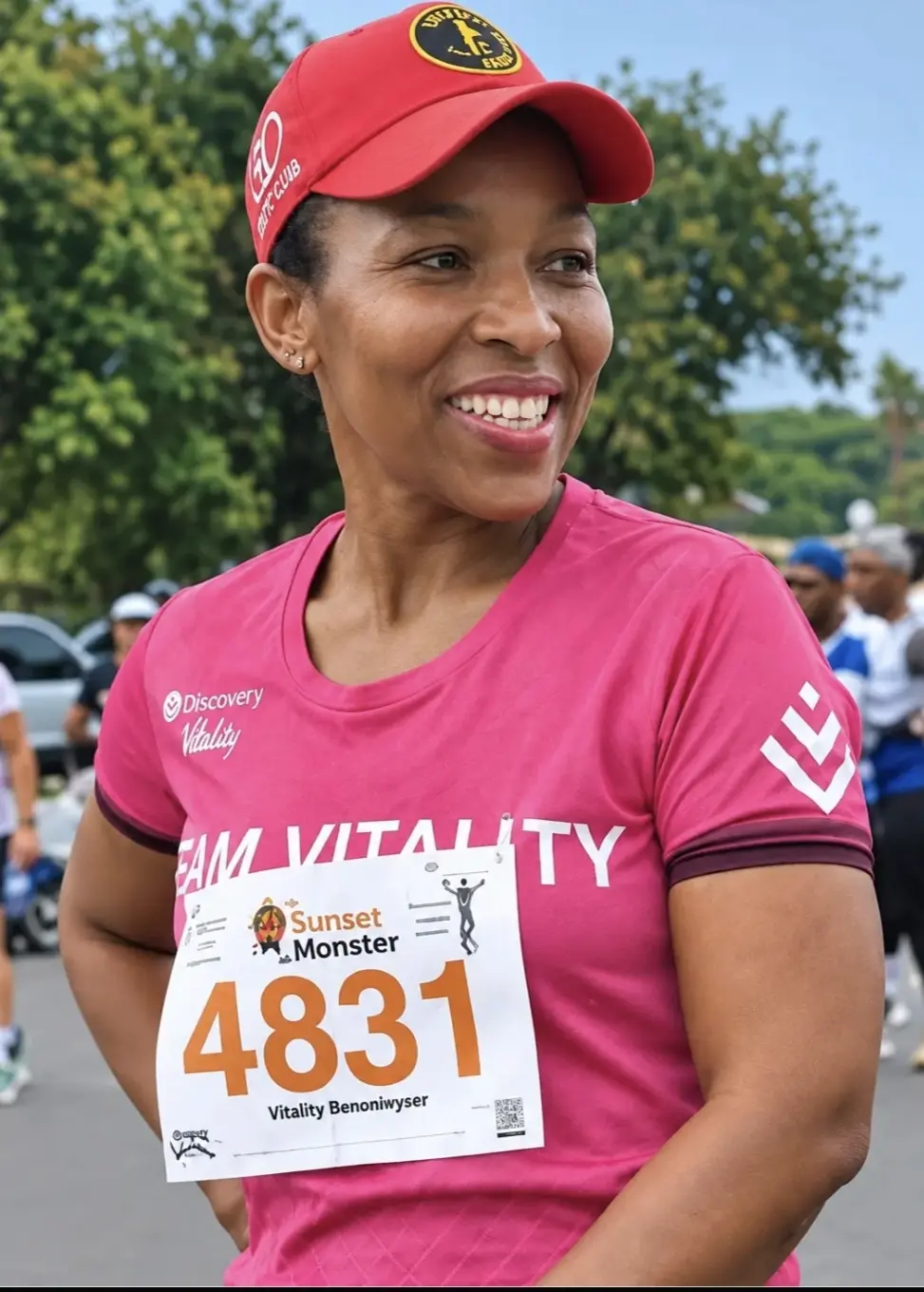
Why did it take ‘Tsontso’ to make Ekurhuleni’s women's bodies matter?
The discovery of multiple murdered women in Ekurhuleni highlights the stark inequalities and systemic flaws in how South African authorities and media respond to femicide and…
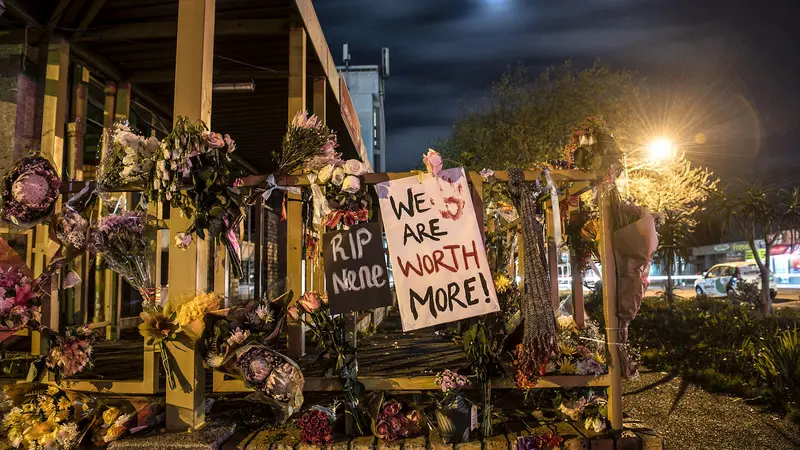
Shattering the cycle: Confronting the crisis of gender-based violence
With a woman murdered every three hours in South Africa, the tragic discoveries in Ekurhuleni highlight the urgent need to dismantle systemic failures and confront the…

The Politics of Fear: What It Means to Be a Woman in South Africa
Living in constant anticipation of violence has become an exhausting norm for South African women. Addressing the femicide crisis requires structural accountability and…

When division rises, so must dialogue
As immigration debates and anti-migrant tensions intensify across South Africa, fostering constructive national dialogue and establishing a commission of inquiry are crucial to…

When papers can't prove you belong
Growing up as a Zimbabwean migrant in South Africa, Kimberly Mabaso reflects on how invisible borders and xenophobia challenge the true meaning of belonging, far beyond what…

Lack of assistive tech is barrier to access for people with disabilities
Assistive technology is essential for education, employment, and independence, yet millions across South Africa and the continent face severe access and affordability barriers.
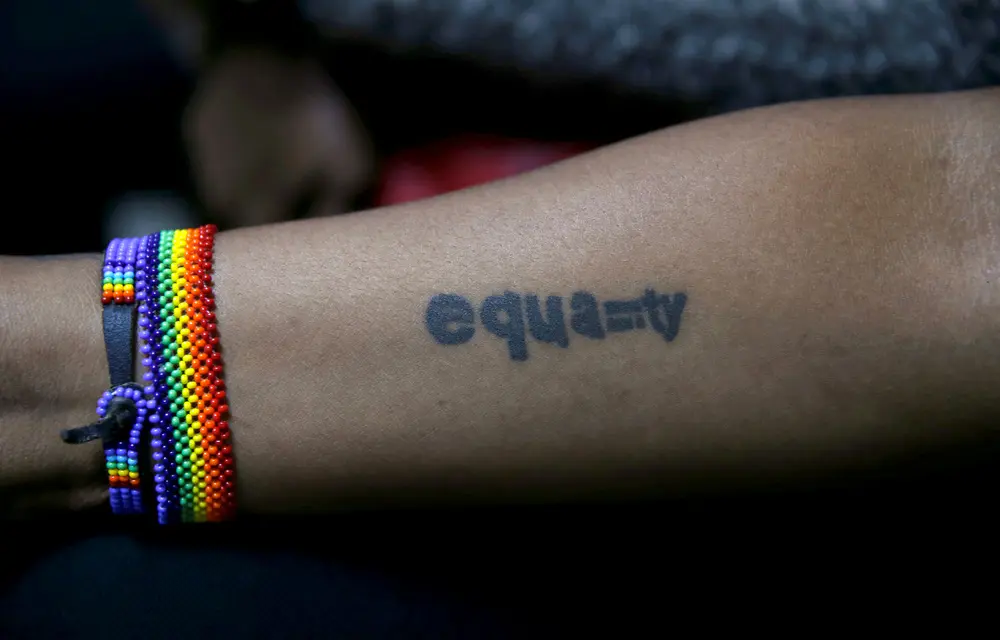
Building a human rights agenda fit for 21st-century realities
As aid cuts threaten essential healthcare and disillusionment grows, Africa faces a vital opportunity to renew and reimagine a human rights agenda fit for 21st-century realities.
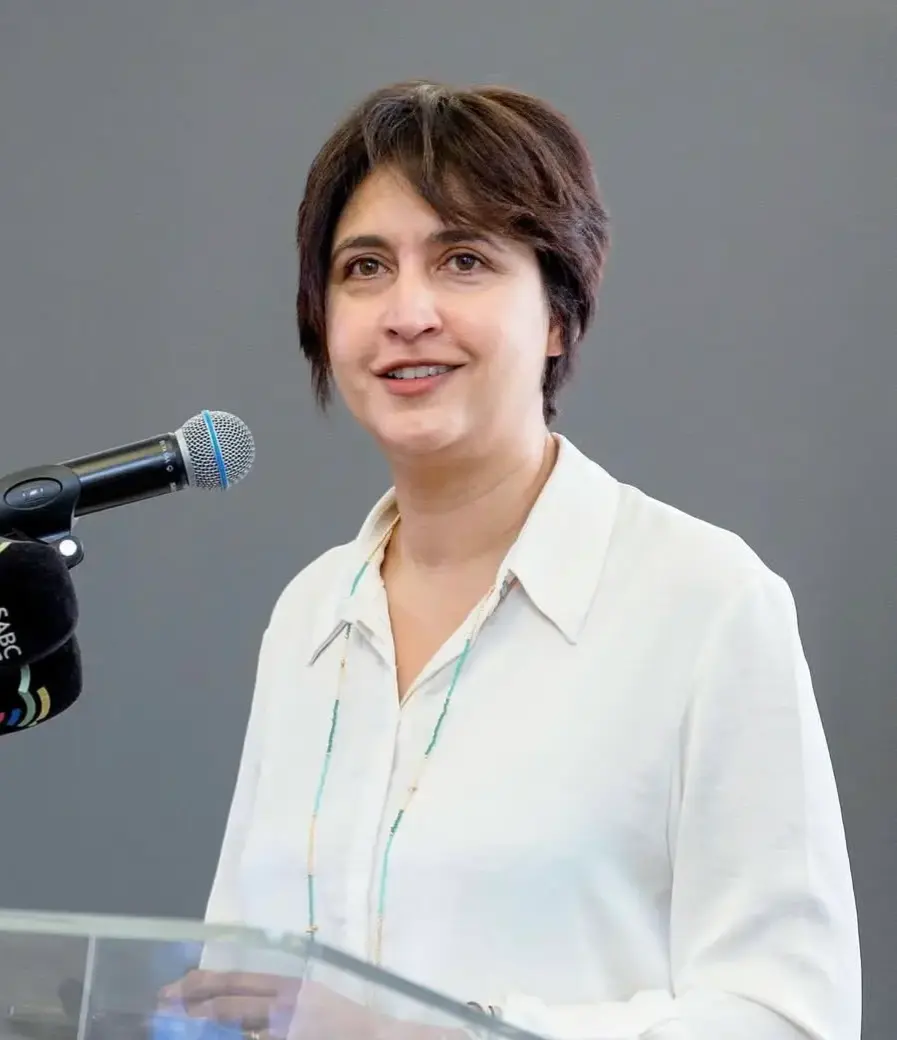
UWC honours Advocate Adila Hassim SC for a career fighting for those with the least power
The University of the Western Cape is conferring an honorary doctorate on Advocate Adila Hassim SC, honouring her career in public interest litigation, human rights advocacy, and…
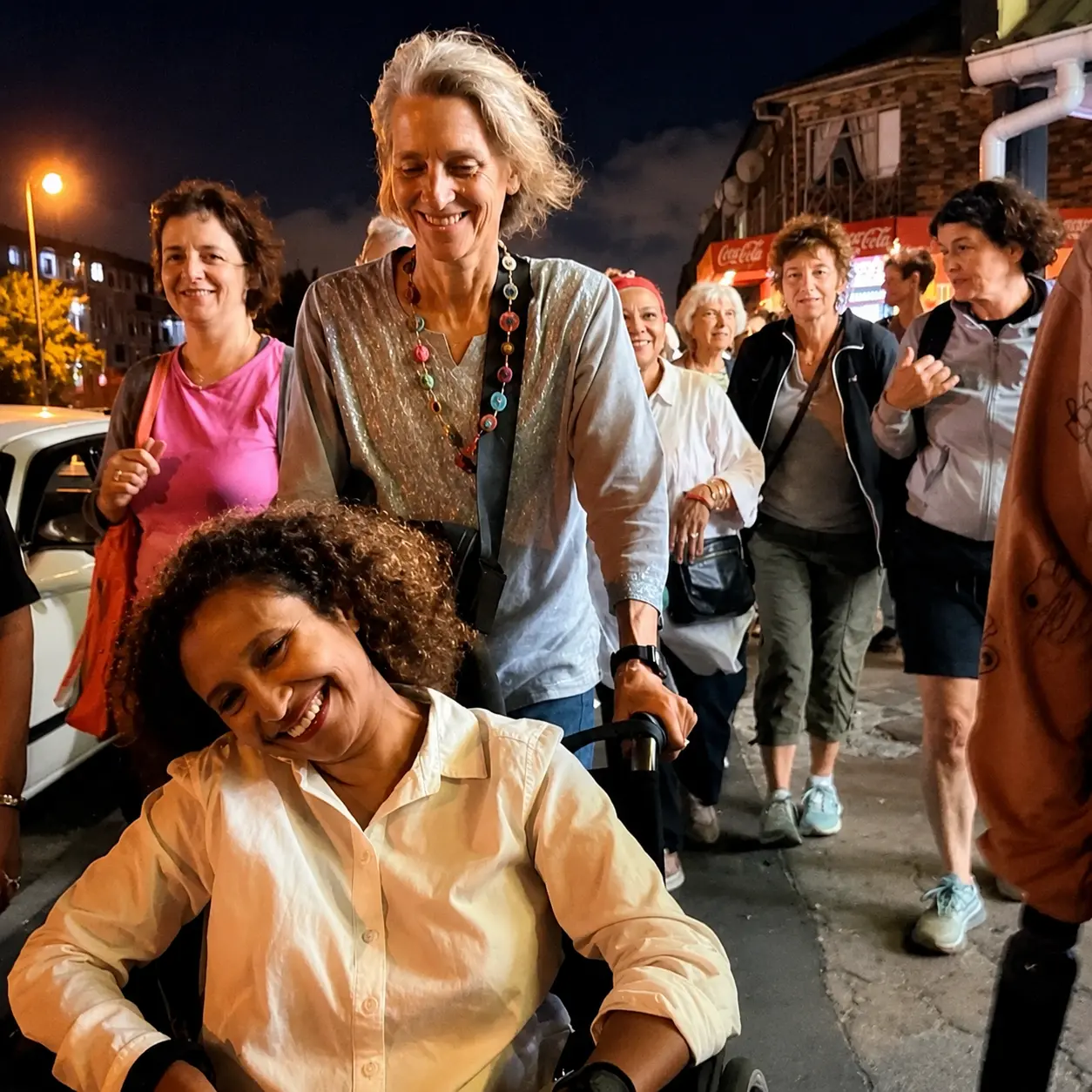
After 8 Sistahood: reclaiming nights and feminist joy in segregated cities
What began as a response to gendered fear in Cape Town has become the After 8 Sistahood—a movement transforming public spaces, confronting spatial apartheid, and asserting…
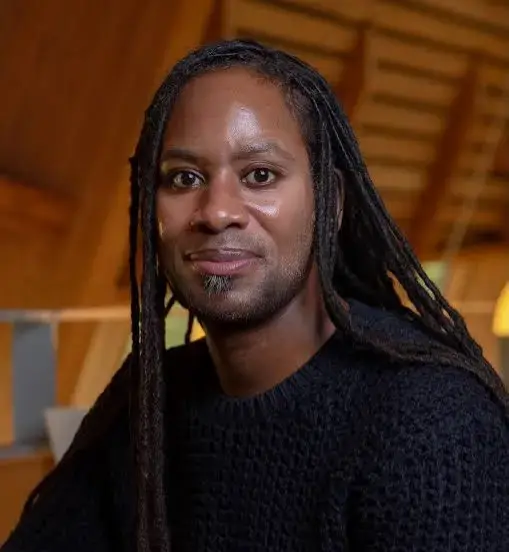
We Will Read Professor Jason Arday’s work Into Eternity: Remembering a Scholar Who Refused the Limits of Empire
The passing of Cambridge sociologist Professor Jason Arday marks the loss of an intellectual force who challenged colonial epistemologies and championed Black radical scholarship…
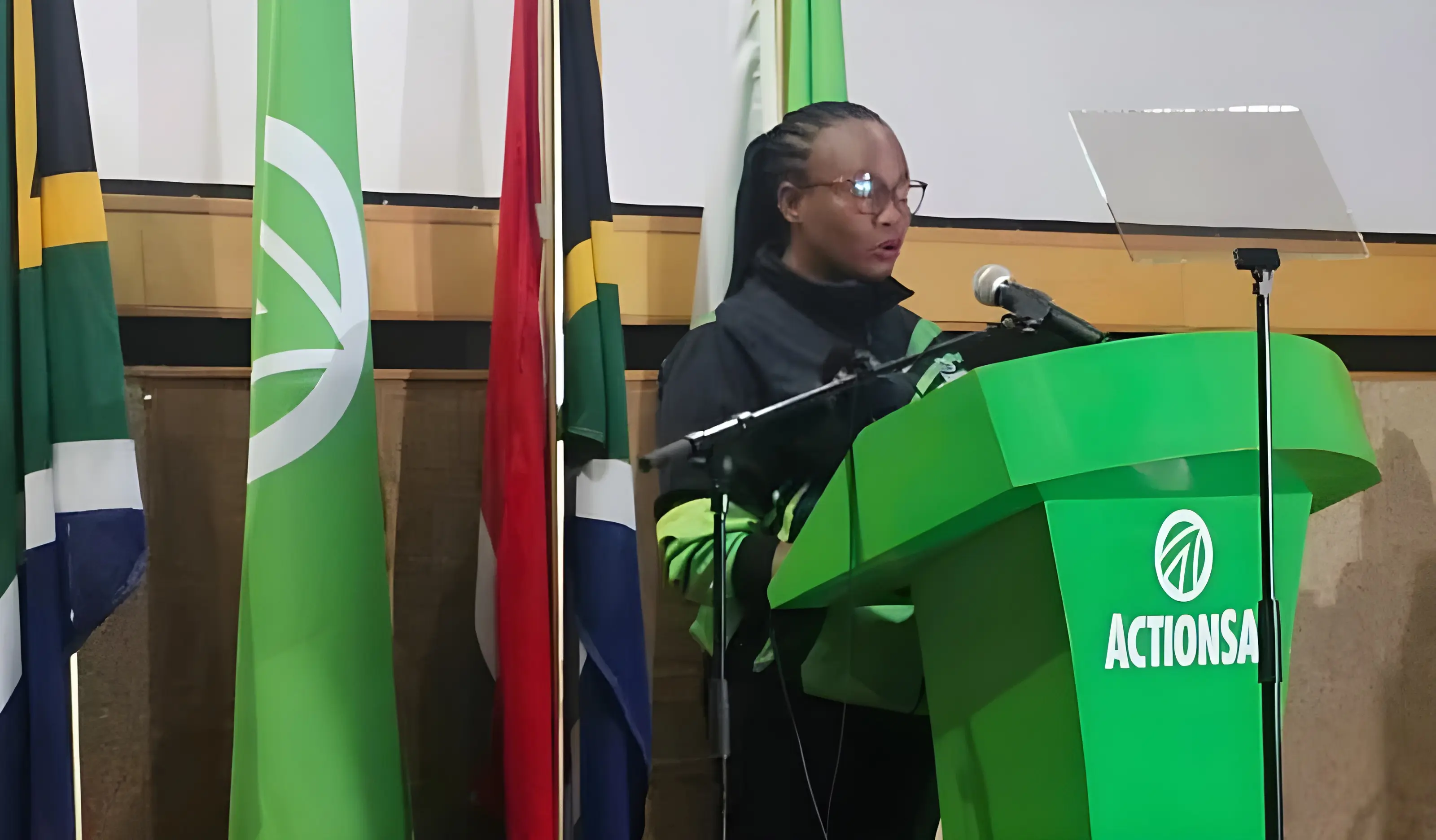
A new politics for Tshwane
This article critically examines the populist governance style in Tshwane, South Africa, contrasting it with the social democratic politics exemplified by Zohran Mamdani in New…