

Saturday 14 November is World Diabetes Day. For 2026 and 2027, the International Diabetes Federation (IDF) and the World Health Organisation (WHO) have chosen the theme “Early action on diabetes”. As an endocrinologist, I cannot think of a theme closer to my heart.
Almost every week, someone sits across my desk and says: “But doctor, I didn't feel a thing.” Often they discover their high sugar by chance, at an insurance medical or before an operation. Sometimes the diagnosis is only made after a complication such as a heart attack or stroke, or when an eye specialist notices damage to the retina. Diabetes is a silent disease, and that is exactly what makes it so dangerous. By the time it hurts, it has usually been causing damage, unnoticed, for years.
The numbers are sobering. According to the IDF, more than half a billion people worldwide live with diabetes, and almost half of them do not know it. One in eight adults is at high risk of developing type 2 diabetes. The WHO aims for 80% of people with diabetes to be diagnosed by 2030. In South Africa the picture is even worse: it is estimated that up to two-thirds of people with diabetes remain undiagnosed.
What does early action mean in practice?
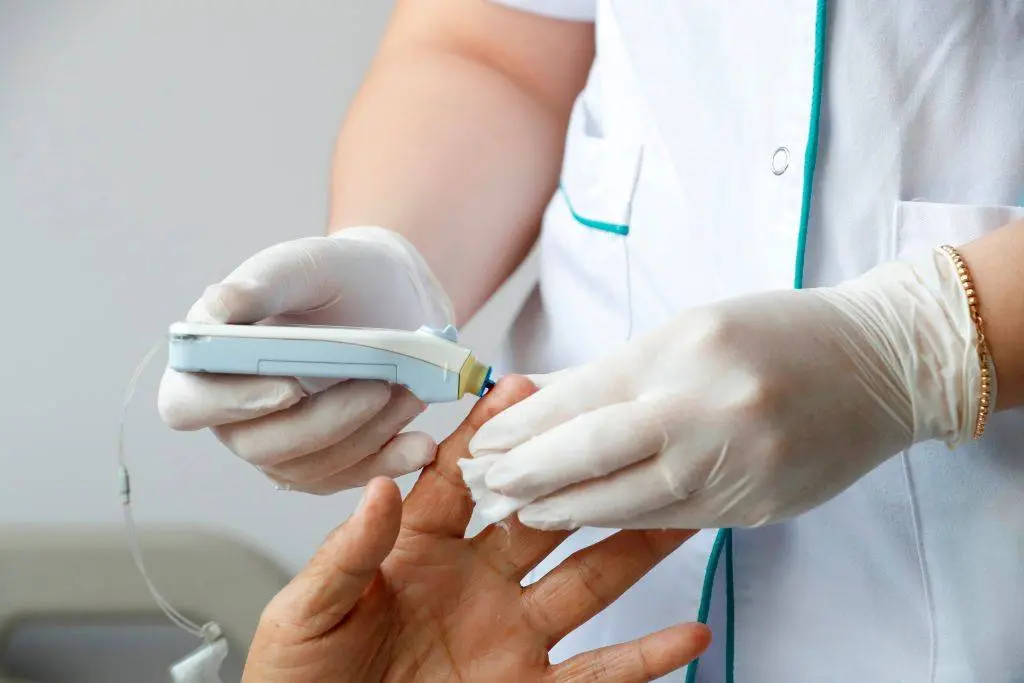
First, get tested. The good news is that it is easy. The oral glucose tolerance test remains the gold standard, but any opportunity to test should be used: fasting or a random glucose test, or an HbA1c test, which reflects your average sugar over the past three months and does not require fasting.
International guidelines recommend that all adults be tested from the age of 35 years, and earlier if you have risk factors. These include being overweight, especially around the middle, a family history of diabetes, diabetes during a previous pregnancy, high blood pressure or cholesterol, or an inactive lifestyle. Know the warning signs: thirst, passing urine often, tiredness, blurred vision, weight loss and recurrent infections. But remember: most people with early diabetes have no symptoms at all, so feeling well does not mean you do not have diabetes.
Remember, too, that one normal test is not a lifelong guarantee. If you have risk factors, a negative test this year only means that you do not have diabetes this year. Your risk remains, and the test needs to be repeated: at least every three years if everything is normal, and every year if your sugar has been slightly raised before or if you had diabetes in pregnancy. Early action is not a once-off test; it is follow-up.
Second, prediabetes is an opportunity, not a sentence. Prediabetes means your blood glucose is higher than normal, but not yet in the diabetes range. That is exactly the moment to act. In the landmark Diabetes Prevention Program in the United States, people with prediabetes who lost about 7% of their weight and were active for 150 minutes a week reduced their risk of developing diabetes by 58%. Small, sustainable changes make a huge difference.
Third, type 1 diabetes is not only a childhood disease. This year the WHO highlights something I see regularly in my practice: type 1 diabetes can start at any age, and in adults it is often missed or wrongly diagnosed as type 2. Someone who is slim, loses weight quickly and whose sugar keeps rising despite tablets should be tested for type 1. These people need insulin, and a delayed diagnosis can lead to diabetic ketoacidosis, a life-threatening emergency.

Legacy effect
Early action is not only about making the diagnosis, but also about what we do in the first years after it. Large studies have shown that good sugar control early in the disease leaves a lasting “legacy”. In the United Kingdom Prospective Diabetes Study, people with newly diagnosed type 2 diabetes who were treated intensively early still had about 15% fewer heart attacks and 13% fewer deaths ten years after the study ended, even though their sugar levels had by then become like those of the comparison group.
In type 1 diabetes, the DCCT/EDIC (Diabetes Control and Complications Trial / Epidemiology of Diabetes Interventions and Complications) studies showed the same: early tight control halved the risk of later heart disease. The body remembers. The years straight after diagnosis are a window of opportunity that we cannot get back later.
Our words matter
One of the most important messages this year is about stigma. Too many of my patients carry guilt and shame along with their diagnosis: “I brought this on myself.” That is not the truth.
Let me say it clearly: diabetes is not your fault.
Type 2 diabetes has one of the strongest genetic components of any chronic disease. If your mother, father, brother or sister has it, your risk is considerably higher, however healthily you live. Your genes determine how your body makes and uses insulin, and you did not choose them. On top of that, we live in an environment that constantly outwits our rational brain. Our brains are wired to survive scarcity: eat when food is available, and save energy wherever you can. Today, cheap, highly processed food is everywhere, and we spend our days behind screens. That is not a character flaw; it is biology in the wrong environment.
This does not mean we should sit back and blame our genes. Your genes may load the gun, but what you do with them still matters: how you eat, move, sleep and manage stress can delay diabetes or keep it well controlled for many years. Type 1 diabetes, on the other hand, is an autoimmune disease and has nothing to do with lifestyle.
Guilt and shame help no one. They keep people away from doctors and away from testing, which is the exact opposite of early action. So, I ask healthcare workers, employers, the media and families: speak of “a person with diabetes” rather than “a diabetic” and replace blame with support.
Care
A diagnosis only helps if it leads to care. The WHO rightly points out that a diagnosis means little unless it leads to timely, affordable and uninterrupted care. In South Africa, this is our greatest challenge.
Too many people wait months for an appointment, face medicine shortages at clinics, or cannot afford the test strips and medication they need. We need policymakers, medical schemes and employers who understand that every rand spent on prevention and good control today saves many more later.
It is never too late
If you already live with diabetes, it is not too late for early action. Most complications can be prevented or delayed. Know your numbers: your BMI, HbA1c, blood pressure and cholesterol. Do not smoke. Have your eyes and feet checked every year, and your kidneys with a simple urine test. Treatment has improved dramatically in recent years, with new medicines that also protect the heart and kidneys, and technology such as glucose monitors that ease the burden.
My invitation this World Diabetes Day is simple: get tested. Ask your doctor or pharmacy for a glucose test or an HbA1c, especially if you are over 35 or have any risk factors. Encourage your parents, your partner and your colleagues to do the same. One blood test today can save years of health.
Diabetes does not wait for us. Let us not wait for it either.

Dr Ankia Coetzee is a senior lecturer and endocrinologist in the Division of Endocrinology at Stellenbosch University