Dangerous reality: Two Soweto spaza shops, one owned by a local and the other a foreign national. Operation Dudula supporters have previously demanded the closure of foreign-owned spaza shops. Photo Kasi Hustlers
The images are painfully familiar. A mob storms into a tiny spaza shop in Soweto. Shelves are inspected like contraband checkpoints. Foreign shopkeepers are interrogated by self-appointed patriots masquerading as law enforcers. Threats are issued. Deadlines are given. Leave, or else.
This is not law enforcement. It is political thuggery.
But if Africa wants an honest conversation about xenophobia in South Africa, then honesty must cut in all directions. It is not enough to condemn groups like Operation Dudula as barbaric hooligans, even though that is exactly what they are.
It is not enough to denounce ActionSA, the Patriotic Alliance and other opportunistic political actors who have discovered that hatred is an efficient campaign tool. The deeper and more uncomfortable question is this: Why are so many Africans leaving their countries, often with desperation so severe that they are willing to risk humiliation, violence and death abroad?
That is the conversation African governments keep avoiding.
Operation Dudula, whose name means “push back” in Zulu, has built its political identity around the claim that foreigners are stealing jobs, businesses and opportunities from South Africans. Their supporters march through townships threatening migrants and demanding the closure of foreign-owned spaza shops. One Dudula leader bluntly told foreign traders that those businesses “must belong to South Africans”.
It is ugly. It is dangerous. It is unconstitutional.
But here is the inconvenient reality: xenophobic politics gains traction when economies fail.
South Africa today is sitting on a social time bomb. Youth unemployment remains catastrophic. Entire communities feel abandoned by political elites. Crime is rampant. Public services are collapsing under corruption and incompetence. In such conditions, politicians and vigilante groups do what frightened political actors have always done throughout history: they manufacture an enemy.
Foreigners become the easiest target because they are visible, vulnerable and politically expendable.
The Institute for Security Studies has warned that migrants are being scapegoated for problems caused by corruption, governance failures and administrative decay.
Yet political parties continue pouring fuel onto the fire because xenophobia mobilises anger faster than policy can.
This is where the rest of Africa must stop pretending to be innocent spectators. Malawi cannot simply issue statements condemning attacks while ignoring the structural failures pushing its youth out of the country. Zimbabwe cannot merely lament the abuse
of its citizens abroad while presiding over economic collapse at home. Mozambique, Zambia, Lesotho and many others face the same moral contradiction.
For more than a century, Southern Africa has operated on a brutal labour export system. More than 100 years ago, young Malawian men walked thousands of kilometres to South African gold mines. They left villages not because migration was glamorous but because poverty gave them few alternatives. A century later, what has changed?
Today, young Malawians are leaving home in large numbers to become gardeners in Johannesburg’s wealthy suburbs, security guards at shopping complexes, domestic workers, waiters, salonists or undocumented labourers living one police raid away from deportation.
That should disturb us far more than it does.
A passport in Malawi has quietly transformed into an escape document. The endless queues at immigration offices are not signs of adventure. They are signs of economic despair. Young people are voting against their own country with their feet. Why wouldn’t they? What future are their countries offering them?
In Malawi, we have normalised corruption so deeply that we barely recognise its violence anymore. Yet corruption is one of the single greatest drivers of forced migration across Africa.
Every stolen public contract is stolen employment. Every inflated procurement deal is a destroyed business opportunity. Every looted ministry budget is another generation pushed towards exile.
When politicians loot hospitals, schools, agriculture funds, energy projects and youth programmes, they are not merely stealing money. They are exporting citizens. Then we act shocked when those citizens arrive in South Africa competing for survival in communities drowning in unemployment and inequality.
South Africa’s xenophobia did not emerge in a vacuum. Apartheid left a deeply fractured society where black poverty was engineered and sustained for generations. Even today, many black South Africans remain trapped in economic conditions that resemble permanent abandonment. Into that environment comes political rhetoric blaming migrants for everything from crime to unemployment to urban decay.
The result is combustible.
According to Xenowatch, more than 1 000 attacks against migrants have been recorded in South Africa since 1994, with hundreds killed and thousands of shops looted. The numbers are almost certainly an undercount. Human beings have been burnt alive.
Families have been chased from homes. Businesses built over decades have been destroyed overnight by mobs chanting nationalist slogans. And African leaders respond mostly with diplomatic caution and generic condemnations.
But outrage without introspection is worthless.
The painful truth is that many African states have quietly relied on migration as an economic pressure valve. Instead of building economies capable of absorbing young labour forces, governments have allowed unemployment to spill across borders. Remittances from citizens abroad then become substitutes for functional economic policy.
That model is collapsing.
South Africa is buckling under extreme inequality, unemployment, corruption and institutional fatigue. The governing ANC is politically weaker than at any point since the end of apartheid. Populist parties smell blood.
Xenophobia is becoming institutionalised, not merely spontaneous.
That should terrify everyone.
Once political systems begin rewarding anti-foreigner rhetoric electorally, violence becomes easier to justify socially. Migrants stop being seen as human beings and instead become economic pollutants to be removed.
Africa has seen this movie before. History repeatedly shows that societies under economic stress often descend into exclusion politics. First foreigners are blamed. Then minorities. Then political opponents. Eventually, everyone becomes suspect. This is why simply condemning Operation Dudula is not enough. It addresses the symptom while protecting the disease.
The real disease is state failure across much of the continent.
If Malawi, Mozambique and Zimbabwe truly want fewer of their young people risking abuse abroad, then they must create conditions worth staying for. That means industrialisation, serious anti-corruption enforcement, modernised agriculture, energy investment, functional education systems linked to labour markets, technology-driven enterprise and real financing for youth entrepreneurship.
Not speeches. Not slogans. Not another strategic plan gathering dust in air-conditioned offices.
Young Africans are not allergic to hard work. They are allergic to hopelessness.
No country can endlessly export its most productive demographic without eventually hollowing itself out.
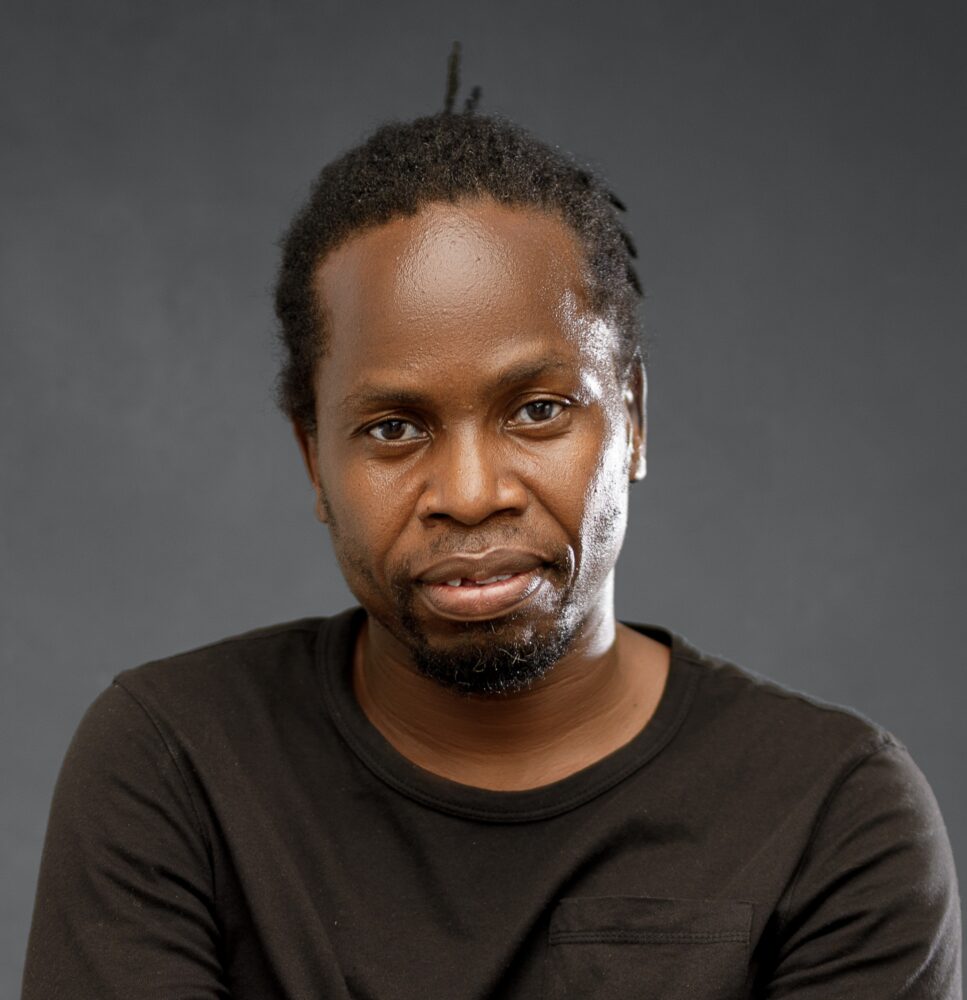 Jack McBrams
South Africa must confront its xenophobia honestly and decisively before it mutates further into organised political extremism. But the rest of Africa must also confront an equally uncomfortable truth: failed governance is helping manufacture the migration crisis that xenophobic movements feed upon.
Until both truths are confronted at the same time, the cycle will continue. More borders crossed. More mobs assembled. More bodies burnt. And more governments pretending not to understand how we got here.
Jack McBrams is a multi-award-winning Malawian investigative journalist and communications strategist whose work focuses on corruption, governance, migration and social justice in Southern Africa. He writes extensively on the intersection between politics, inequality and public accountability. He tweets @mcbrams