


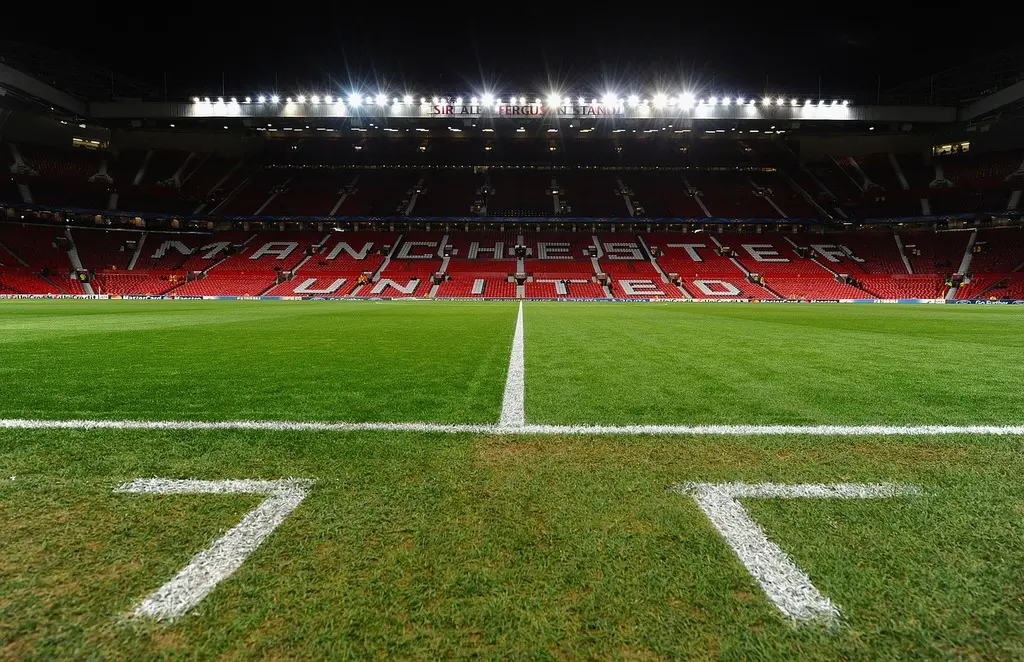
Manchester United is contacting specific groups of supporters, including season ticket holders, members and executive club members to complete a survey that will “play a central role in the decisions that are shaping the club’s new home”. The questionnaire focuses on five key areas including creating a world-class football stadium and match-day experience for all fans, heritage, legacy, atmosphere and logistics.
In addition, United plans a series of focus groups to “explore key themes and concepts in greater detail, help test emerging ideas and ensure fan views are being interpreted accurately”. The survey is being distributed to match-going supporters such as season-ticket holders, official members, executive members and those who have bought hospitality packages in recent years, with a deadline of around early November.
Last month the club confirmed it had spent £63.5 million (R1 410 840 460,00) on land for the intended stadium, located close to the current Old Trafford site (approximately 350 metres north-west). The new ground is expected to cost in excess of £2 billion (R44 433 240 000,00) and will form the centrepiece of the wider 370-acre Trafford Wharfside regeneration project. Planning permission for that broader development is anticipated in late 2027 or early 2028.
New Stadium Development chief executive, Collette Roche, underlined the importance of fan involvement: “Our proposed new stadium is one of the most significant projects Manchester United will undertake in the next 100 years, and it is vital that we shape it together with our fans. Above all else, this is a football stadium built for them, so getting the details right matters. Listening to those views and ensuring they are shaping the design is a vital part of the process.”
The drive for a new home comes against a backdrop of long-standing concerns about Old Trafford itself. The Theatre of Dreams, which has hosted United for more than a century, has seen limited major investment since the quadrant expansions that took capacity to around 75,000 in the mid-2000s. Critics and fans have pointed to a range of issues that leave the stadium looking dated compared with modern Premier League venues.

Persistent problems include a leaky roof that has repeatedly caused water ingress during heavy rain, cramped concourses and restricted legroom, limited and outdated food and drink options and an overall sense of tired infrastructure. Wi-Fi has been patchy or non-existent in places, hospitality areas have a faded feel and the building’s age has constrained kitchens, media facilities and other back-of-house operations. Reports over the years have also mentioned issues such as rodent problems in the past and a general lack of the sleek, fan-friendly amenities found at newer grounds like Tottenham Hotspur Stadium or the redeveloped Anfield.
These shortcomings were thrown into sharper relief during Cristiano Ronaldo’s second spell at the club between 2021 and 2022. In a high-profile interview, the Portuguese star voiced strong criticism of the facilities he encountered upon his return, saying that little had changed since his first period at United more than a decade earlier. While much of his frustration centred on the Carrington training complex, the pool, jacuzzi, gym and related infrastructure, his comments fed into a wider narrative about stagnation at the club. These include the match-day environment at Old Trafford. The perception of outdated facilities became part of the broader conversation about why significant investment, whether through redevelopment or a new build, is long overdue.
Not all supporters are convinced a new stadium is the right priority. Some argue the club should not be committing such large sums to a new ground when other needs exist, and United has yet to set out a detailed plan for how the project will be financed. The club has previously indicated private financing routes are under discussion, but clarity remains limited.
By putting atmosphere, heritage, accessibility and the overall fan experience at the centre of the process, United is attempting to ensure the new home reflects the club’s identity while delivering modern standards that Old Trafford can no longer easily provide. Whether the final design satisfies the majority of the supporter base will depend on how effectively those views are translated into concrete decisions in the years ahead. Planning timelines point to a multi-year process, with the stadium expected to sit at the heart of a transformed Trafford Wharfside district. For now, the message from the club is clear that this is a project intended to last generations and fans are being invited to help define it.