

Femicide
latest news & developments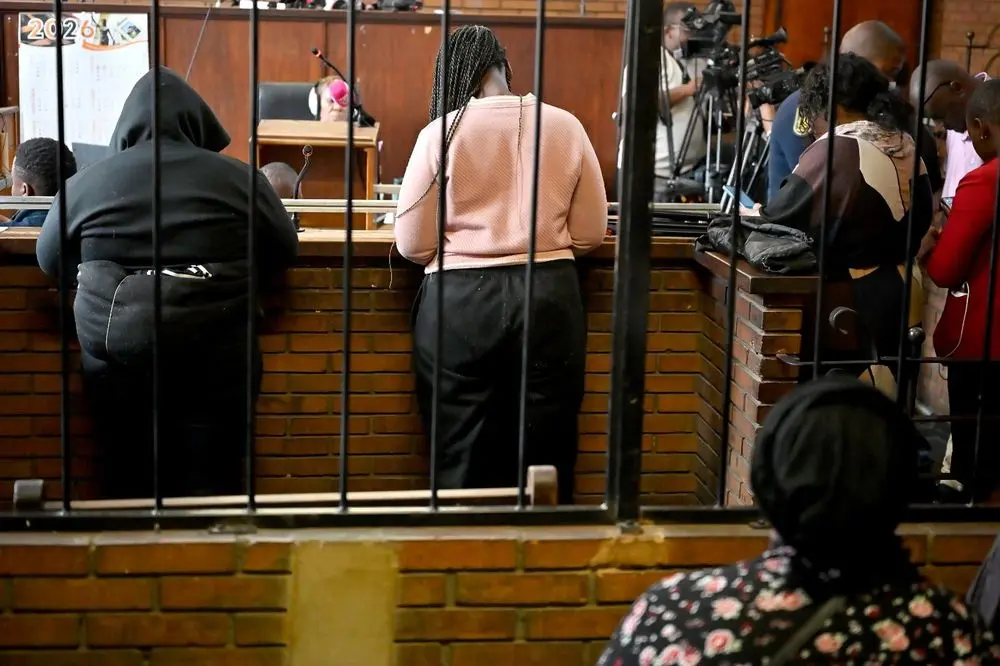
Murder first or femicide? Ekurhuleni killings open debate over how cases should be understood
The discovery of 11 women's bodies in Ekurhuleni has sparked community fear and opened a debate on whether the cases should be investigated as isolated murders or viewed through…
The killing of women is not a series of unconnected tragedies in South Africa
The viral confrontation in a Sandton restaurant powder room is not an isolated incident. Research reveals how deep-seated entitlement, misogyny, and systemic impunity underpin…

Ekurhuleni killings: ‘The onus cannot shift to women to keep themselves safe’
Following the discovery of nine women’s bodies in Ekurhuleni, gender-based violence advocates demand structural state action and systemic justice rather than placing the burden…

When fear shrinks women’s world
The murder of runner Elizabeth “Tsontso” Moselakgomo highlights how pervasive fear forces women to constantly calculate safety, shrinking their access to public spaces, exercise,…
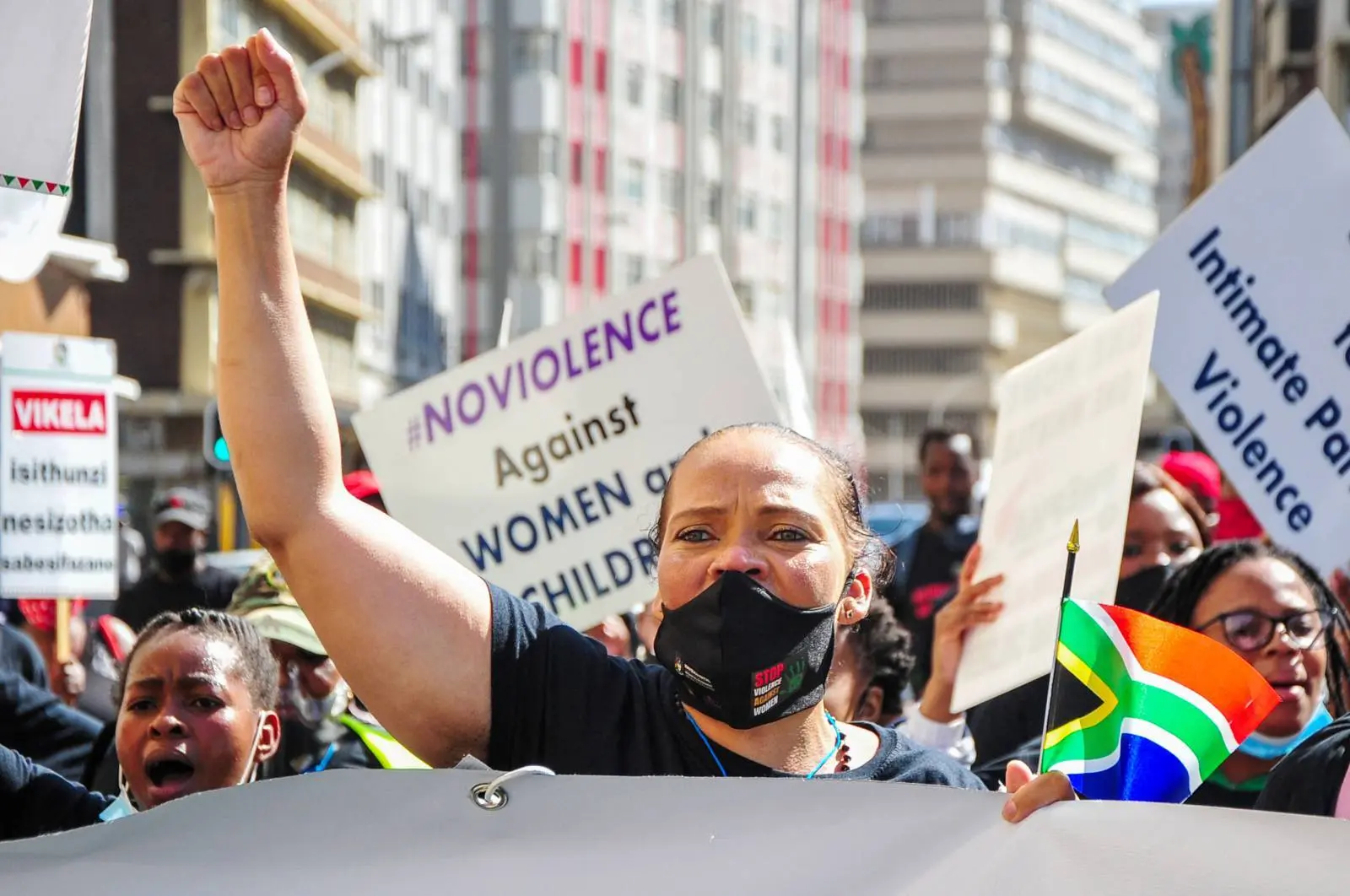
Nine dead women later and we’re still managing symptoms
Nine women have been found dead in Ekurhuleni, yet political responses remain trapped in task teams and summits. It is time to dismantle the deeper structural systems fuelling…

Nine lives snuffed as fears escalate
As police investigate the deaths of nine women across Ekurhuleni, grieving families and activists call for decisive state action and systemic changes to curb the ongoing femicide…
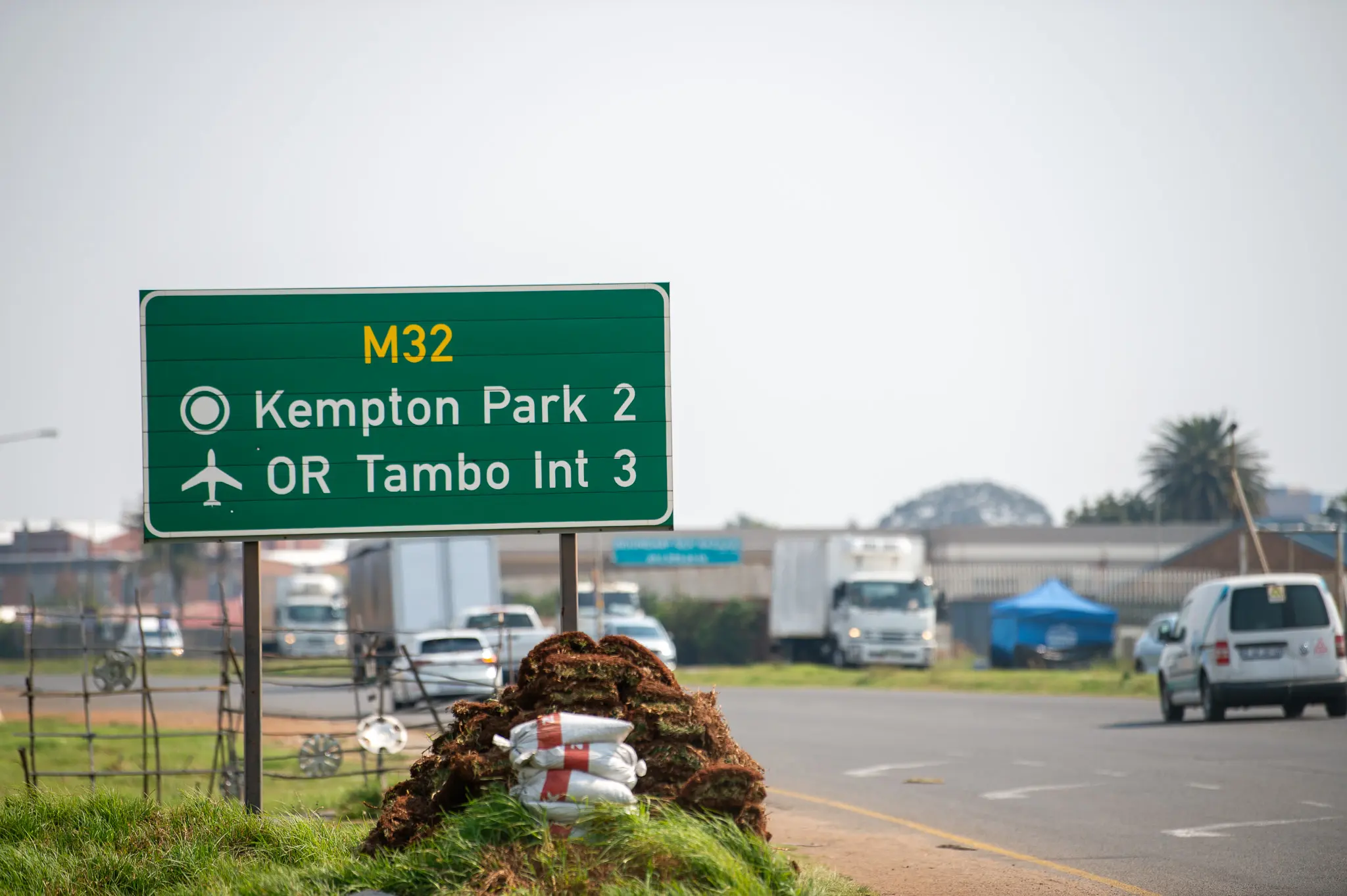
What has happened to my once-safe hometown?
Following the tragic murder of Elizabeth 'Tsontso' Moselakgomo and the discovery of nine bodies across Ekurhuleni, a Kempton Park resident reflects on the terrifying reality of…
Editorial: Women in SA do not exist
A powerful reflection on the devastating surge of femicide and gender-based violence in South Africa, urging society to see victims as individuals rather than cold statistics.

Stop shrinking women’s maps in the name of safety
Telling women where they cannot run, walk, or exist is not safety—it is containment. In the wake of recent murders in South Africa, we must confront the perpetrators and broken…

The Politics of Fear: What It Means to Be a Woman in South Africa
Living in constant anticipation of violence has become an exhausting norm for South African women. Addressing the femicide crisis requires structural accountability and…
If we want to end gender-based violence, we have to uproot gender inequality
South Africa continues to react to gender-based violence downstream, but ending femicide requires confronting its true root cause: entrenched gender inequality in our homes,…

Born out of bondage, Jesse Jackson dies a master of social justice
He fought tooth and nail so that the transatlantic slave trade should not repeat itself anywhere, where our people faced brutal conditions and many lost their lives

This is an emergency: The G20 women’s shutdown and the crisis SA can’t ignore
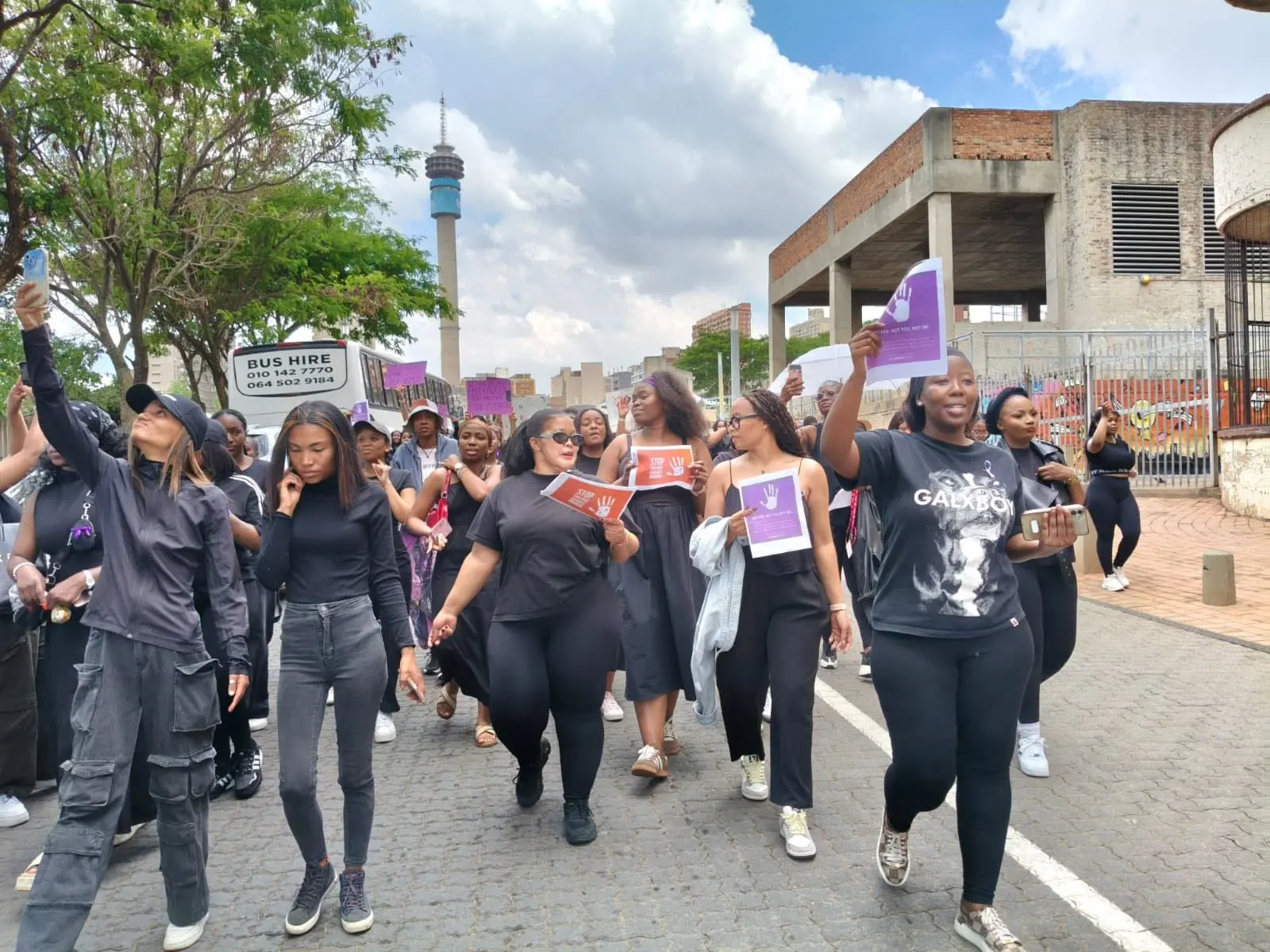
A nationwide shutdown on 21 November demands GBVF be declared a National Disaster, confronting government inaction as the world’s leaders arrive

National shutdown to put spotlight on gender violence on eve of G20 summit
Advocacy group Women for Change argues that South Africa ‘cannot host the world’s most powerful leaders while a woman is killed every two-and-a-half hours’

Stop ignoring the heavy drinking red flags
It will take more than policy to change South Africans’ excessive use of alcohol; we all need to take part in the Sober Curious movement