

La Nina
latest news & developments
Climate change and La Niña drove deadly southern Africa floods, analysis finds
The intensity of heavy downpours has increased by 40% since pre-industrial times, with some areas receiving more than a year’s rain in just days

South African agriculture on sound footing, despite Trump tariffs
We do need to focus on the tariffs but we should not ignore other essential interventions for the long-term growth of local agriculture

Recent rains boost for summer grains, oil seeds and livestock
While the recent rains caused damage to infrastructure and in communities, it does more good than bad in agriculture

South Africa’s agriculture to recover in 2025
Better dam levels and a stable electricity supply for irrigation will continue to benefit the horticulture sub-sector and floriculture

Farmers likely to plant more grain and oilseed in 2024-25 season
Slightly high prices and lower input costs, as well as the prospect of good rain will probably driving this

La Niña may bring favourable weather, boosting optimism about food security in Southern Africa
The weather event is predicted to bring above-normal rainfall in January before easing up, but the northeast may remain dry

UN forecasts La Nina could help lower temperatures this year
In many locations, especially in the tropics, La Nina produces the opposite climate impacts to El Nino, which heats up the surface of the oceans

Contaminated or none at all: South Africa’s water affairs are cause for concern
With La Niña bringing much-needed rain, it is inexcusable that South Africans do not have access to their most basic human need: water

What’s behind the wet weather in Gauteng?
The rains in December have caused flooding, which has damaged critical infrastructure, including people’s homes
La Niña determines predictions for the oilseed and grains harvest
The weather remains topical across the Southern Hemisphere but has resulted in mixed fortunes

Floods cast spotlight on education’s climate risks
Future-proofing schools against the damaging effects of global climate change is essential
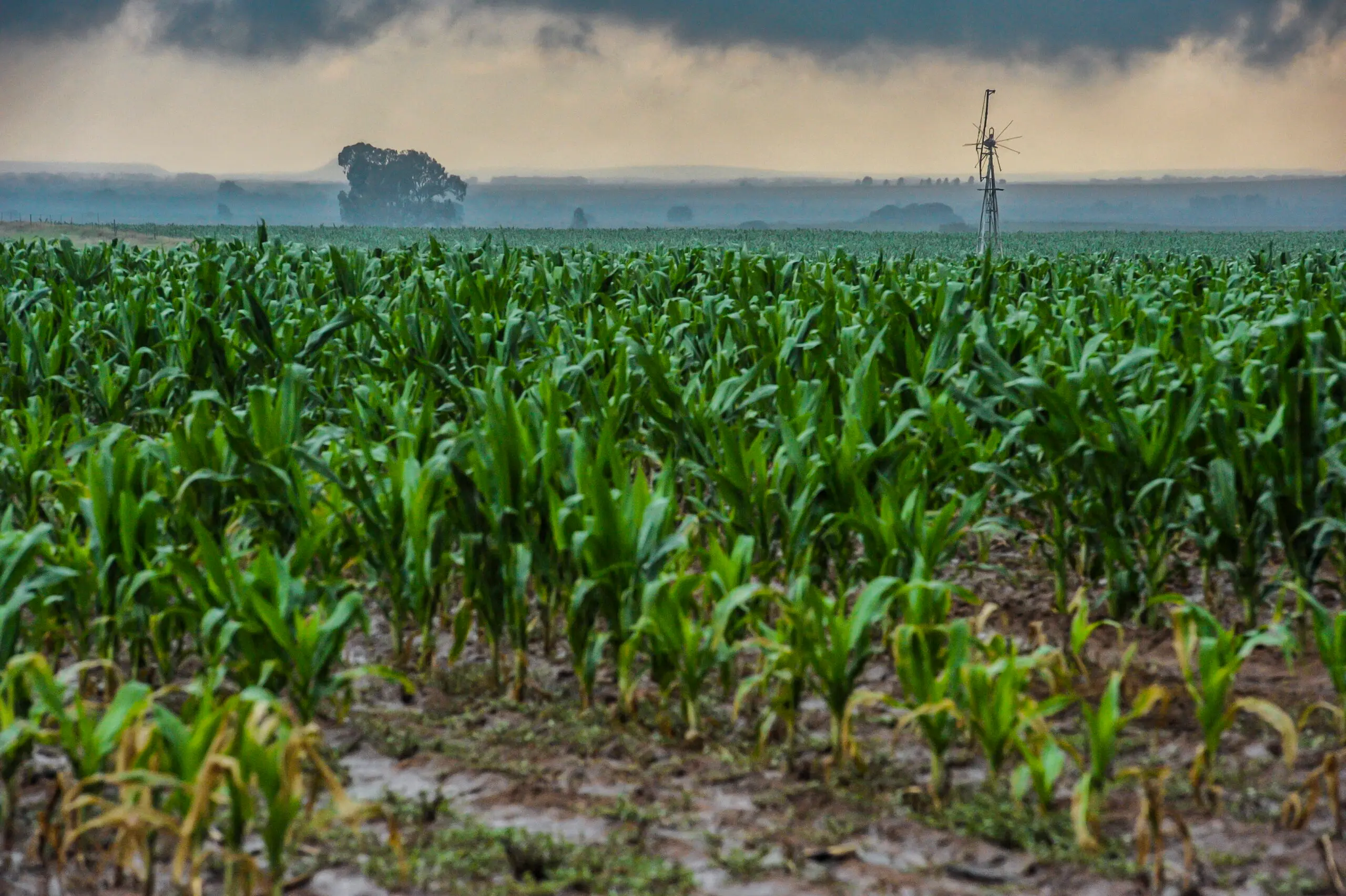
Worry about food prices, not heavy rains
Farmers face higher input costs such as hikes in fertilisers and fuel prices as well as the expected 20.5% electricity hike requested by Eskom, says AgriSA

What South Africa’s excessive rains mean for food prices
We will have a poorer harvest than the glowing 2020-21 harvest, but will probably not have to import supplies
Locust swarms loom in the wake of wetter weather
Unreported locust swarms in unoccupied farms, game and environmental parks can grow, cover large distances and destroy entire crops

This is how South Africa could unlock its agriculture growth potential
Unlocking the full growth potential over the long run will require policy interventions in agriculture and cross-cutting government departments