

The June 16 anniversary and commemoration have become meaningless. They have lost their significance.
Let’s start at the beginning and ask why people have anniversaries. Anniversaries are used to memorialise, create social cohesion and give meaning during a designated event.
People have anniversaries largely to say “lest we forget”, to remind us, as South Africans, to recommit to the ideals and aspirations of those who fell on 16 June and subsequent days.
It should be a period when we take a social pause and reflect on where we come from, where we are and where we are headed.
It is axiomatic that the June 16 uprising changed the history of our nation. The contentious issue of Afrikaans as a medium of instruction was a catalyst for the destruction of the abominable system of apartheid.
The uprising had far-reaching consequences. The struggle against apartheid was internationalised. Moribund exiled liberation movements, such as the ANC and PAC, were catalysed into action.
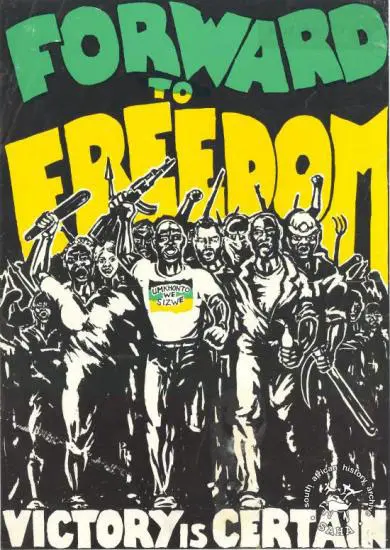
Thousands of young Africans fled the country to swell the ranks of uMkhonto weSizwe and the Azanian People’s Liberation Army. In many societies parental control was lost. The youth had flexed their muscles and knew what mattered most.
Yet, this was a dream deferred. Fifty years later and 32 years since liberation, we have a situation that can be described as a betrayal of the youth.
We have destroyed the lives and dreams of our young people through joblessness — we have the highest youth unemployment rate in the world.
For citizens aged 15 to 34 years, it stands at 45%. For the highly vulnerable 15- to 24-year-olds, it exceeds 60%. Sex for jobs has become an industry.
Education and training in our country are a complete mess.
Crime is at an all-time high, with young people in the roles of both perpetrator and victim of gender-based violence.
Young tenderpreneurs have emerged, believing in tying their fortunes to politicians and political parties. This demographic band represents where innovation goes to die. And this is where alcoholism and drug abuse live.
Youth despondency and disconnection are pervasive throughout the nation. Youth voter registration and voting are alarmingly low as young people have yet to experience the liberation dividend. Their lived experiences are of industrial-scale looting and corruption.
There is no indication that the 50th anniversary of June 16 will be different from previous years.
Politicians will be dishing out food parcels and mouthing inanities about the struggle. As expected, the media will be trotting out living victims and witnesses of the period to repeat the same old stories.
Adults, dressed in school uniforms, will be lunching and having a good time, while our white compatriots will remain disengaged, retreating into their lives as they enjoy braais and drink beer in the land of sunshine and servants.
How best can we recommit to the ideals and aspirations of our young people on this significant day?
In the words of Chernyshevsky and Lenin: What is to be done?
We need a clean sweep of the political leadership. All have failed abysmally in their constitutional duty to establish a prosperous and egalitarian South Africa.
We are led by ageing political figures who have not had an original idea in years.
Their raison d’état seems to be corruption and the looting of state coffers.
The youth need to retake the leadership of our beloved country.
The youth of 1976 did not ask for permission to change their country, neither should the youth of today.
They should take charge of their future, even if it means marching on Parliament and the Union Buildings to demand the resignation of the entire government.
Peter Vunda is a retired businessman and author.