ANC KZN coordinator Mike Mabuyakhulu. (Photo by Darren Stewart/Gallo Images via Getty Images)
Tension is rising in the ANC’s KwaZulu-Natal structures, with members accusing the party of sidelining them from key leadership positions because of their perceived “lack of allegiance” to national and party president Cyril Ramaphosa and secretary general Fikile Mbalula.
On Tuesday, Mbalula announced the names of the people who will be in the restructured provincial leadership, which some argue favoured Ramaphosa’s allies.
This comes after the ANC announced in January that it would be reconfiguring its leadership structures in the key provinces of KwaZulu-Natal and Gauteng following the party’s poor performance in last year’s general elections.
The move led to the disbandment of the executive committees in both provinces and their replacement with provincial task teams.
In KwaZulu-Natal, Mbalula confirmed the appointment of former economic development MEC Mike Mabuyakhulu as coordinator, Nomusa Dube-Ncube as deputy coordinator, former minister Jeff Radebe as convener, former social development MEC Weziwe Thusi as first deputy convener and Siboniso Duma as provincial convener.
The move saw secretary Bheki Mtolo, treasurer Ntuthuko Mahlaba, deputy provincial chair Nomagugu Simelane and deputy secretary Sipho Nhlamuko removed from their positions. Of the province’s top six, only Duma was retained.
A senior ANC source in KwaZulu-Natal said the internal discontent had deepened tension because some believed they were being punished for their historical political alignment in the province.
“It should come as no surprise that we are being punished for voting with Duma in the 2022 provincial elections,” the source said.
“This is now the [secretary general’s] hand showing us who is in charge. We view this as a potential campaign for his presidency in 2027. Who else do you canvass except the members of the biggest provinces in the ANC?
“Remember, the president’s supporters will back Mbalula because he has been faithful, so we can see the play here.”
What was dubbed the “Taliban faction” emerged during the ANC’s 2017 leadership race, initially backing Nkosazana Dlamini-Zuma’s bid for the party presidency.
It later shifted its focus to KwaZulu-Natal, where it supported Duma in his successful campaign for provincial chairperson against Sihle Zikalala.
Duma secured victory by 930 votes to 665 in the July 2022 provincial conference.
Despite the faction’s previous success in the province, the restructuring has excluded some of its key members from top positions — notably Mtolo and former ANC provincial treasurer Junda Mahlaba — although they were included in the broader provincial task team structure.
 ANC secretary general Fikile Mbalula. Photo: Luba Lesolle/Gallo Images
Nhlamuko is also said to be part of the Taliban faction.
The provincial task team includes several members associated with Ramaphosa’s faction, commonly referred to as “Ankole”.
These include former provincial education MEC Kwazi Mshengu, former ANC Youth League leader Thanduxolo Sabelo and Deputy Minister of Employment and Labour Jomo Sibiya.
Sources said the choice of leaders was an attempt to “neutralise” the dominance of the Taliban faction and reassert Ramaphosa-aligned leadership in the province to make way for Mbalula’s presidency, while allowing Ramaphosa to finish his presidential term.
“If you look at the names of those who have been placed in key positions, it’s clear that there is an effort to balance the scales and bring in people who are seen as more aligned with the president because, remember, the national general council is around the corner and the president needs allies,” said one ANC insider.
The national general council meeting is a midterm review during which the party assesses its progress and allows internal groupings to test support before the party’s elective conference, with the next one in 2027.
On Tuesday, Mbalula dismissed claims of factional exclusion and insisted that the leadership’s primary focus was on unity to revitalise support in the province.
“The ANC is facing an existential crisis. The new leadership will hit the ground running to arrest the party’s declining fortunes,” he said.
Prominent members of the Taliban faction said they believed they had been offered roles as “additionals” in the provincial task team to shut them up, despite “deserving” to be in the top six.
“Being in the [provincial task team] is not the same as being in the top six.
“Decisions are made by the top six and that is where we wanted our people to be,” said another ANC member who felt sidelined.
“It’s one thing to say that the structure is mixed, but we know that those from Ankole are being positioned strategically to counter our influence.”
Advocates for the disbandment argued that the restructuring was necessary to stop the ANC’s decline, particularly in KwaZulu-Natal and Gauteng, where the party lost significant support in the polls.
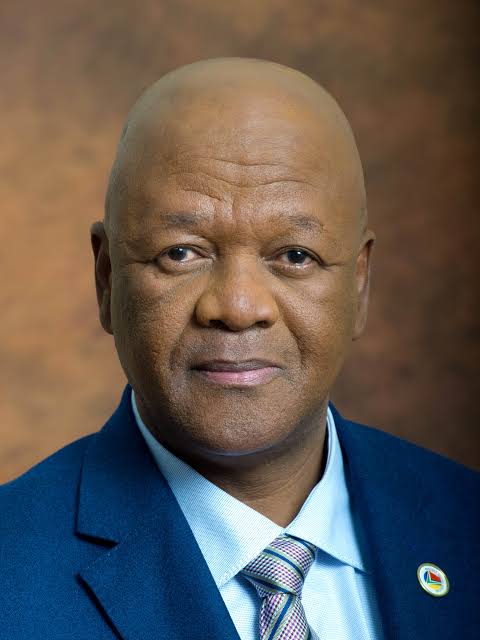 ANC KZN convener Jeff Radebe.
In KwaZulu-Natal, its voter share plummeted from 54.22% in 2019 to 17% last year, reducing its legislature seats from 44 to 14.
In Gauteng, the ANC’s support dropped about 19 percentage points to 34.55% in last year’s elections compared with 2019, forcing it to form a coalition provincial government with smaller parties.
Proponents of the disbandment point to the removal of both provincial secretaries — positions which are crucial to the ANC’s day-to-day operations in the provinces — as a major victory.
“This is why we entrusted seasoned and principled leaders such as Radebe, Mabuyakhulu and [newly appointed Gauteng convener Amos] Masondo with the task of guiding the movement forward,” an ANC national working committee leader said. “Their deep-rooted commitment to the ANC, coupled with years of experience, ensures they remain steadfast and immune to factional pressures.”
Some in the disbanded provincial executive committee have vowed to regain leadership positions when the two provinces hold their conferences.
“We plan to reclaim our positions during the conference in November, and we believe we will win again.
“We were elected fairly by branches, and we will win fairly,” another KwaZulu-Natal source said.
Mtolo has previously criticised the restructuring, arguing if the provincial disbandment was motivated by electoral failure, the ANC national executive committee itself should be dissolved, given the party’s national decline from 57.5% to 40% support.
In Gauteng, the ANC has appointed former Johannesburg mayor Amos Masondo as the convenor of the new provincial task team.
Former chairperson Panyaza Lesufi will share leadership responsibilities with Masondo as co-convenor.
The task team also includes Ntombi Mekgwe as deputy provincial convenor, Hope Papo as coordinator, Nomantu Ralehoko-Nkomo as deputy coordinator and Tasneem Motara as fundraiser.