


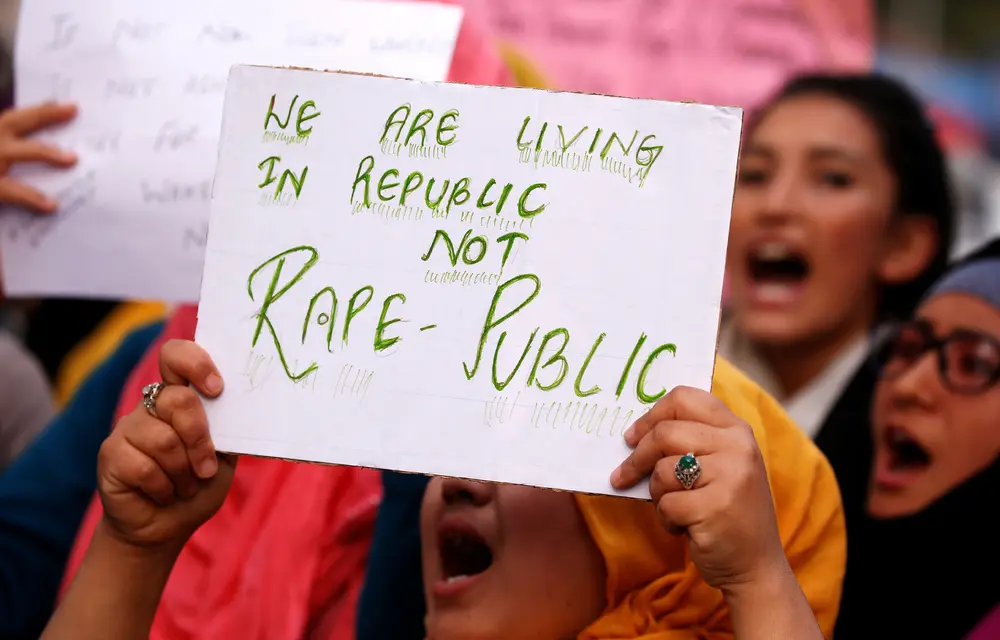
I can’t tell if it’s the algorithm or if we have really just reached a boiling point as South Africans, but my social media feeds are flooded with purple profile pictures and gender-based violence content. And in the midst of it all, the narrative of Coloured South Africans as “products of rape” is rapidly brewing.
At what point did we become so desensitised to sexual violence as a nation, that we’ve started throwing it around as an insult? Systems of oppression work hand-in-hand to maintain dominant social orders. The whole “product of rape” narrative clearly reveals how racism and patriarchy not just overlap, but that they are codependent.
Extractive capitalist agents have always depended on these systems of oppression to drive their colonial agenda across the continent. In some precolonial societies, African women shared equal responsibility with their male counterparts in collective governance. In fact, women still pretty much carry society without the recognition or credit. And this is no accident...
When cheap Black labour became the key to colonial success in Africa, women only benefitted this agenda by ensuring an endless supply of bodies to exploit. Their worth was and is purposely diminished to trap them at home doing unpaid labour while pregnant and their husbands in the mines.
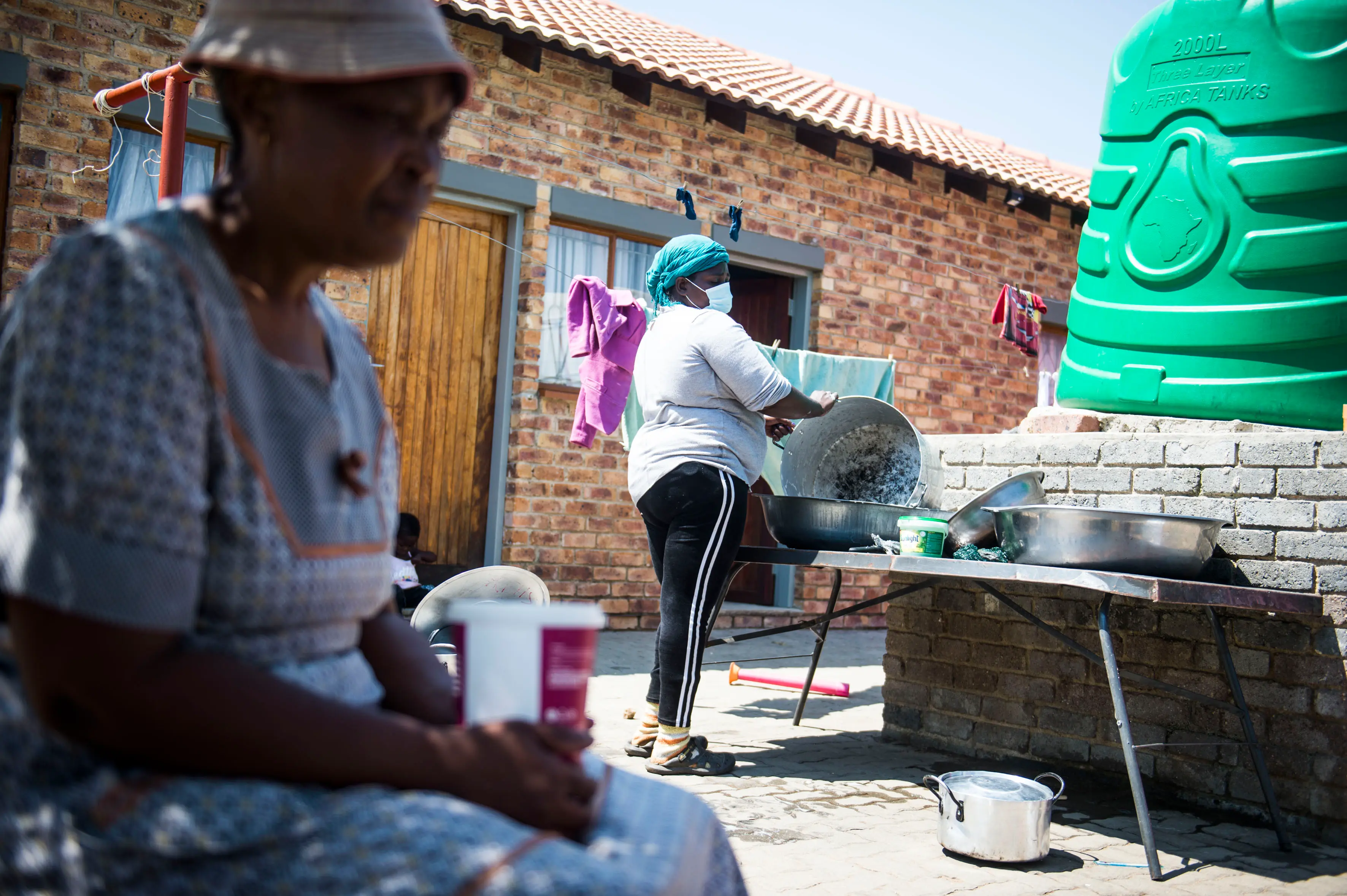
The nuclear family feeds directly into capitalism because every child conceived, let alone born, pushes workers into further precarity and cheapens the value of their labour. Feeding a growing family with a single income stream leaves very little room for growth. It’s an endless and deliberate cycle that deepens the divide between ordinary people and their oppressors.
Placing value on some over others is a tactic of control that keeps oppressed people fighting for table scraps instead of proverbially eating the rich. It distracts people with infighting and drives animosity between groups (classic divide and conquer). But racism did not only create social buffers between the elite and the masses, it garnered buy-in for the system with the potential of social mobility, if not a promise of prosperity for those who conform.
Naturally, those living under the South African oppressive regime (which has continued long after our political “freedom”) adopt dominant cultures, assimilate to social norms and even abandon their own spiritual belief systems for those of their proverbial masters. In racist regimes, some people go so far as to change their appearance, hair texture and skin tone; others go out of their way to dip into the dominant gene pool for the benefit of future generations. It is unlikely that faced with the choice, anyone would choose strife.
Nevertheless, while many would like to believe that this assimilation and desire for privilege is the main driver of miscegenation in South Africa, my community actually had very little say in the matter in the broader scheme of things. And even though our history is well-known and extensively documented (these degrading social media narratives wouldn’t be so popular, if not) this very assumption that we slept our way into privilege is a major factor in the growing animosity toward Coloured people.
The truth is that there was very little to gain from our creolisation. Colonisers made sure with their racist laws that mixed people were denied claim to their paternal lineage (and any privileges that came with it). The rape of our great ancestors and the systemic blockages to any sort of recourse indeed forced us into a type of illegitimacy.
Not only do we remain blocked from estates of our assumed forefathers (colonial rapists) we have no legal means of addressing the displacement they caused. Yet, even in this democratic dispensation that places so much emphasis on redressing the pains of our past, our collective trauma is ridiculed and not met with empathy or action.
I am by no means suggesting that patriarchal attitudes arrived with coloniser ships. Queen Nandi's exile on account of Shaka’s illegitimate conception is a clear example of its long presence in the country. Women have always borne the brunt for men’s supposed lack of sexual control. However, the colonial agenda supercharged the vulnerability of South African women.
Their economic exclusion and legislative suppression exacerbated existing gender divides. The free pass men already had was written into law.

Rape became a weapon of dominance that made men even more valuable in this capitalist system. Those born male have never been forced to raise children conceived during an attack - not the ones perpetrate by us, nor the ones perpetrated against us. In this society, a man has the power to ruin a woman’s life and still be protected because of his perceived value.
Allegations of “weaponised rape” in former Deputy National Police Commissioner Shadrack Sibiya’s case involving a teenager typed in ALL CAPS feature prominently in the comment sections of news articles posted on Facebook. An Ivy League university made seven rapists write an essay as punishment for their seven-hour attack on a girl (to “protect their futures”). Men will continue to protect other men, and their virtue, because it secures their place in the value chain. In a racialised context of South Africa, where so few non-white people climb the ranks, it is even worse.
This is why we can joke about rape. It is why we can victim shame and hurl around sexual abuse as an insult (...and get away with it all). It is a deflection men use to delegitimise women, stunting their ability to be taken seriously in society, and to outgrow their prescribed social positions.
This patriarchal language, naturally, shows up in our day-to-day discourse. Using “product of rape” as a racist insult is one such example. It feeds off this tendency to delegitimise women. It is speaking the language we all know so well in the world’s gender-based violence capital.
Holding men accountable for sexual violence, to many men, is giving up the option to commit acts of sexual violence without consequence. It is a loss of privilege that may set in motion a reevaluation of all other privileges we've become accustomed to, or at least, that is the fear.
Taking firm steps to address gender-based violence in South Africa is beyond a safety issue, it entails a review of the system our current society is built on, as well as the language it has normalised, and which feeds back into it. Opening this can of worms sets a precedent to not only pursue justice for all victims of violence (our great ancestors and their descendants included) but to protect generations to come.

Angelo C. Louw is an author, filmmaker and masters graduate from the Wits Centre for Diversity Studies. Louw’s journalism and academic research focuses on media representation and marginalised groups.
Social media handle -@angeloclouw