

Environment
latest news & developments
SA to push for triple adaptation finance by 2035 at COP31
South Africa will advocate for a binding benchmark to triple adaptation finance by 2035 at COP31 in Türkiye, addressing the critical funding shortfall facing climate-vulnerable…
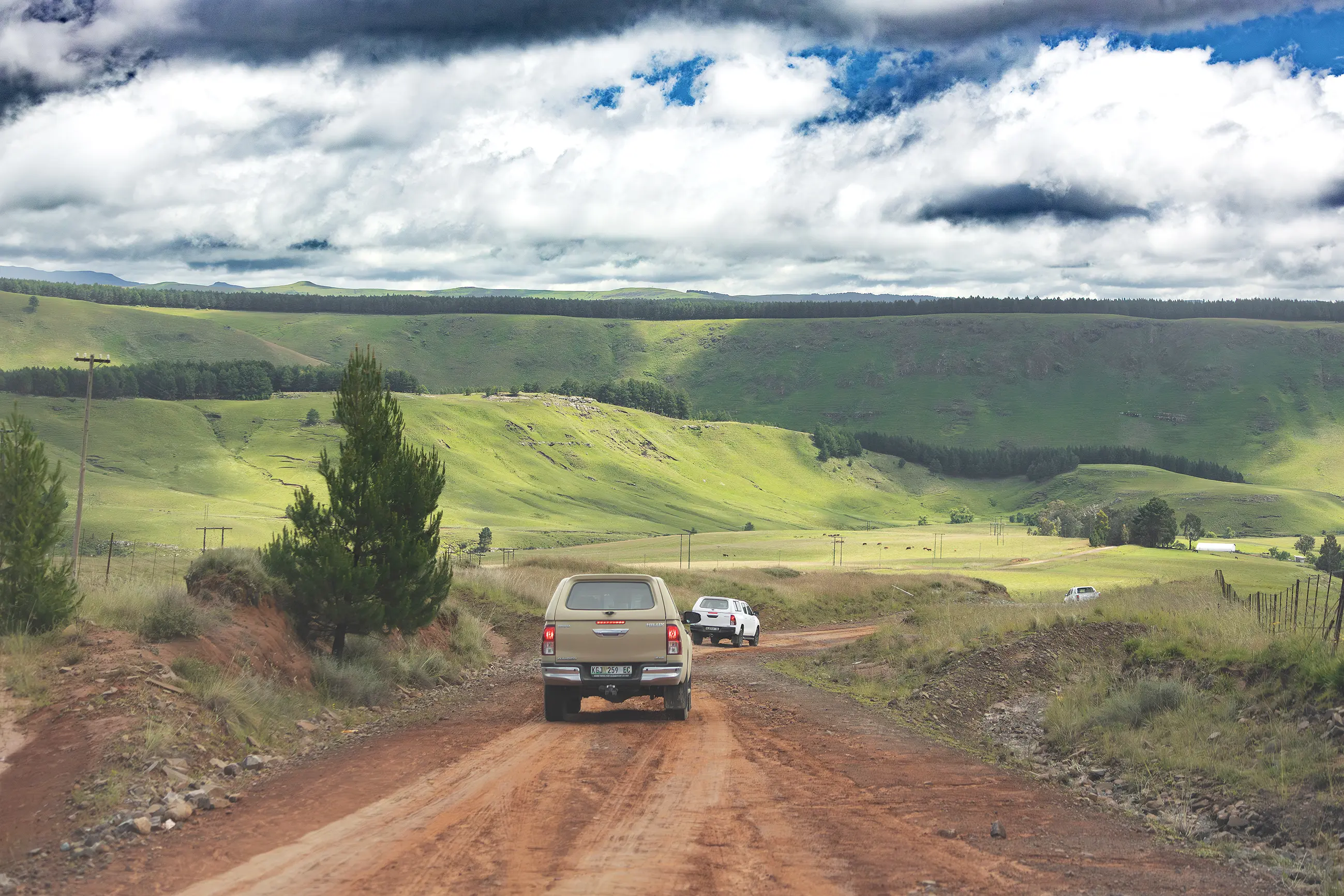
A new kind of national park
The declaration of South Africa's new Grasslands National Park marks a milestone in conservation, using a pioneering biodiversity stewardship model that protects vital watersheds…

Why the Wild Coast Exploration Permit Was Always Defective
The Constitutional Court's definitive ruling against Shell and Impact Africa's exploration permit along the Wild Coast affirms that meaningful community consultation and…
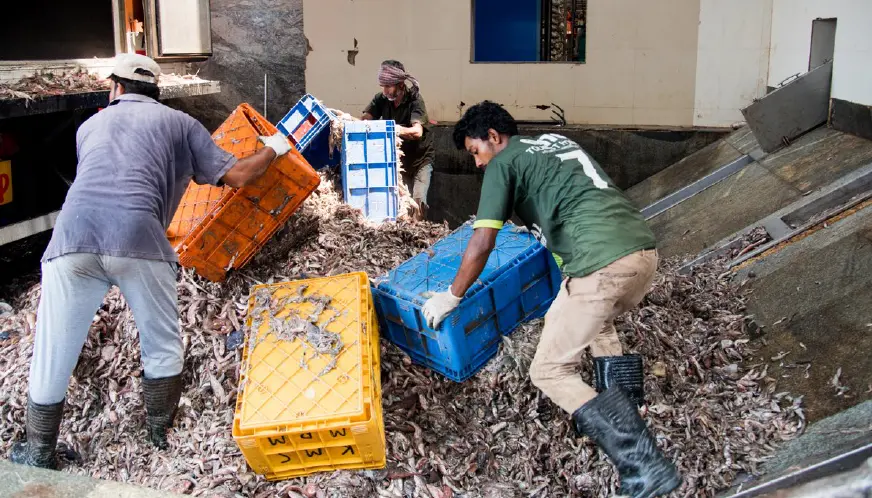
Seafood’s smelly supply chain
A global investigation reveals the hidden human and environmental toll of the fishmeal boom, where coastal communities in West Africa bear the brunt of toxic air pollution and…

Somkhele families count the R80m cost of coal
A landmark study by researchers from King's College London and UKZN reveals that 115 households near KZN's Somkhele coal mine suffered over R80 million in asset losses, with mine…
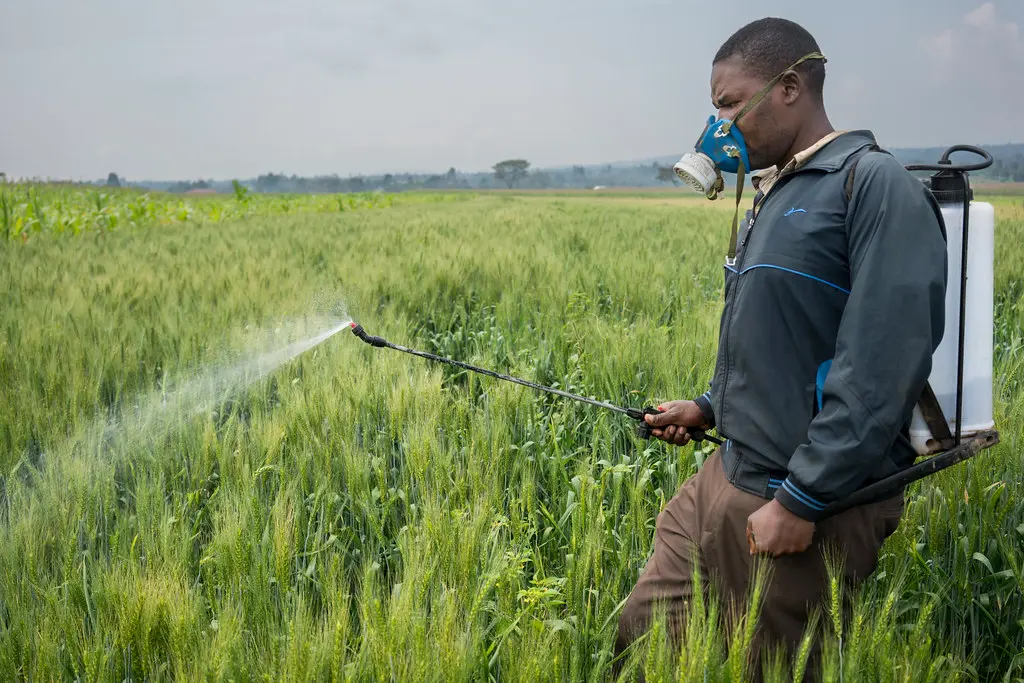
EU pesticide rule changes raise concerns for South Africa
Scientists warn that proposed rollbacks in EU pesticide regulations could have far-reaching effects, weakening international safety standards and impacting South Africa as it…
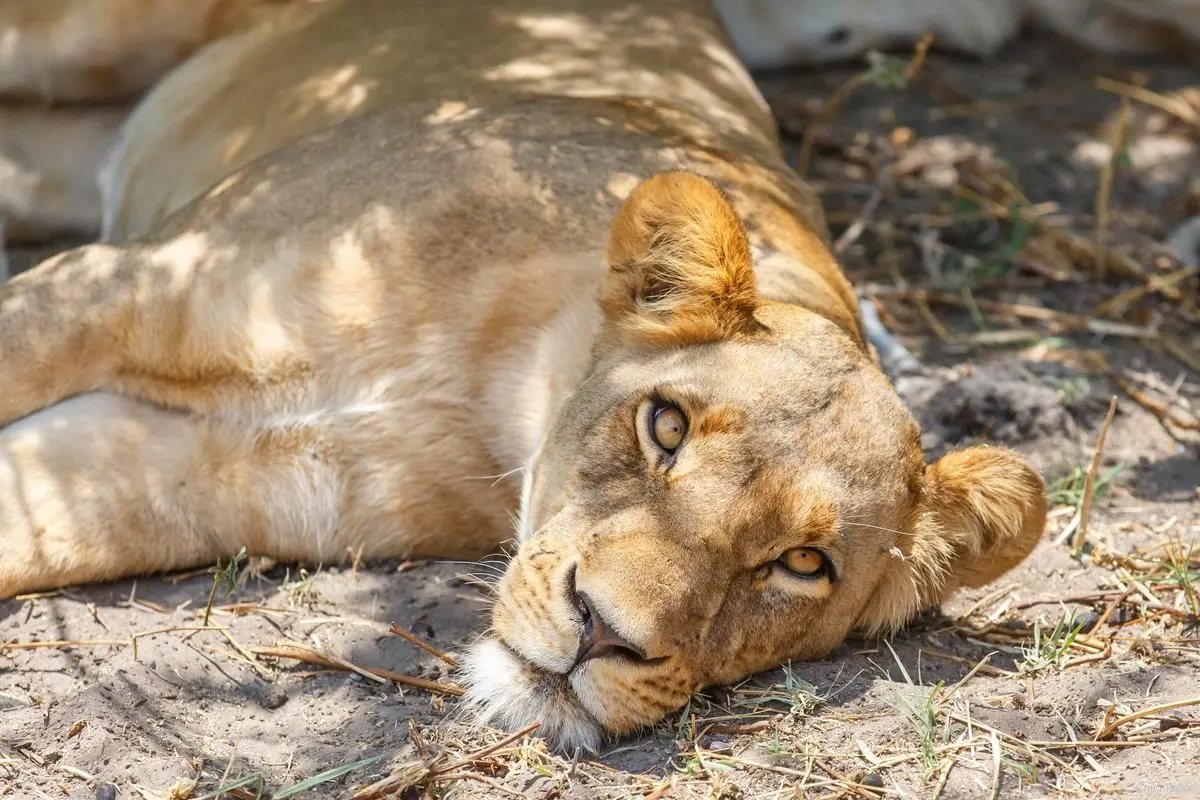
Trophy hunting study finds positive outcomes — but governance matters
A landmark review of over 1,000 studies led by Stellenbosch University reveals that 65% of documented trophy hunting outcomes in Africa are positive for conservation and local…
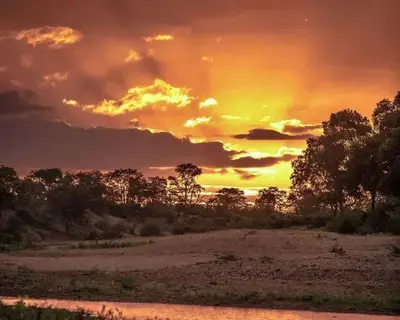
Africa faces tens of thousands of additional heat deaths as El Niño intensifies
A report from the Climate Impact Lab warns that an intensifying El Niño could cause tens of thousands of additional heat-related deaths across Africa's Sahel, with Nigeria and…

Wildlife at the door, survival on the line
On the border of Hwange National Park, local communities are using mobile technology and community ranger networks to prevent deadly human-wildlife conflicts, while awaiting…

The microplastics hiding in SA’s sacred waters
A landmark baseline study has discovered microplastic contamination across several sacred freshwater systems in South Africa, including the revered Isinuka Springs near Port St…

SA’s rhinos population rises by nearly 5% in 2025 but 230 rhinos killed by poachers this year
South Africa's rhino population grew by nearly 5% in 2025 amid expanding conservation and translocation efforts, though 230 rhinos were killed by poachers in the first eight…

Conservation Cannot Succeed If Communities Are Left Behind
Conservation success cannot be measured solely in hectares and wildlife counts. At Babanango Game Reserve, ecological restoration goes hand-in-hand with community empowerment,…
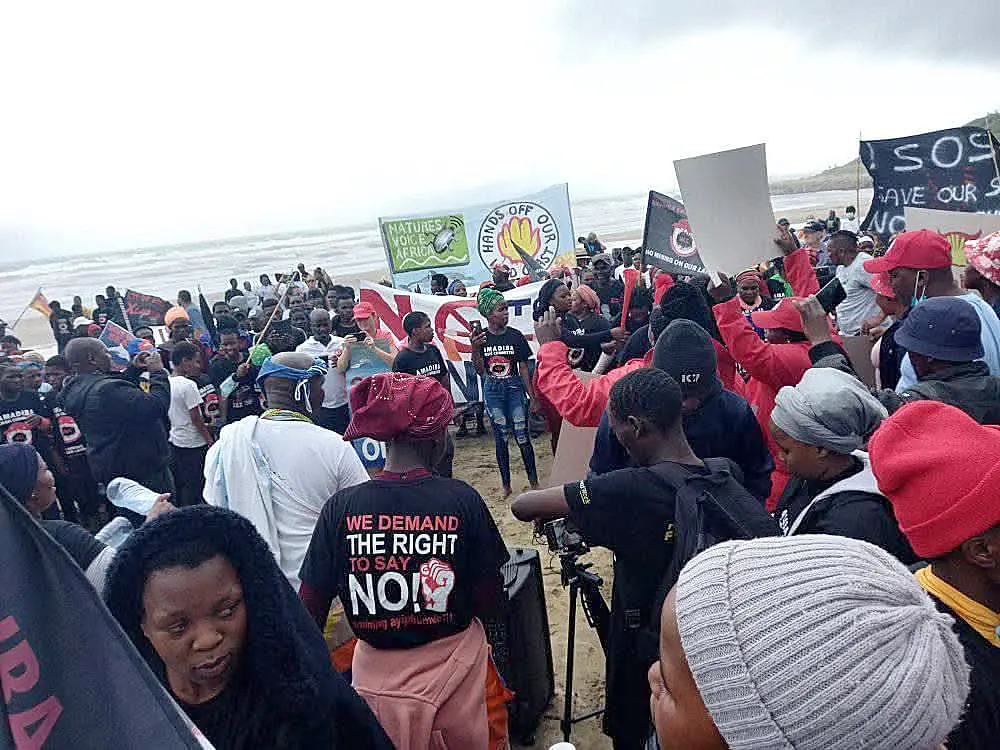
Marine heritage is not for sale
The Constitutional Court's landmark ruling halting Shell’s exploration on the Wild Coast is more than a legal victory—it is a vital affirmation of living heritage, community…

Birdie Mboweni turns anthropology into song
Musician and anthropologist Tribute Birdie Mboweni discusses her upcoming album Matimu, blending academic research on protected areas, history, and indigenous knowledge into song.
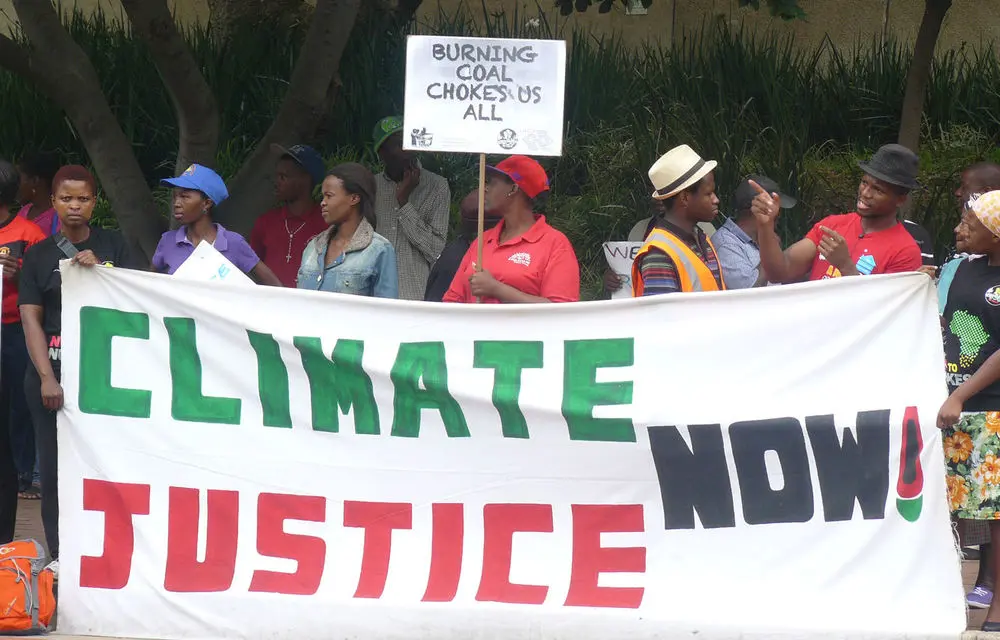
At least 124 environmental defenders killed globally in 2025
At least 124 land and environmental defenders were killed across the globe in 2025, bringing the total documented deaths and disappearances to 2,375 since 2012.